








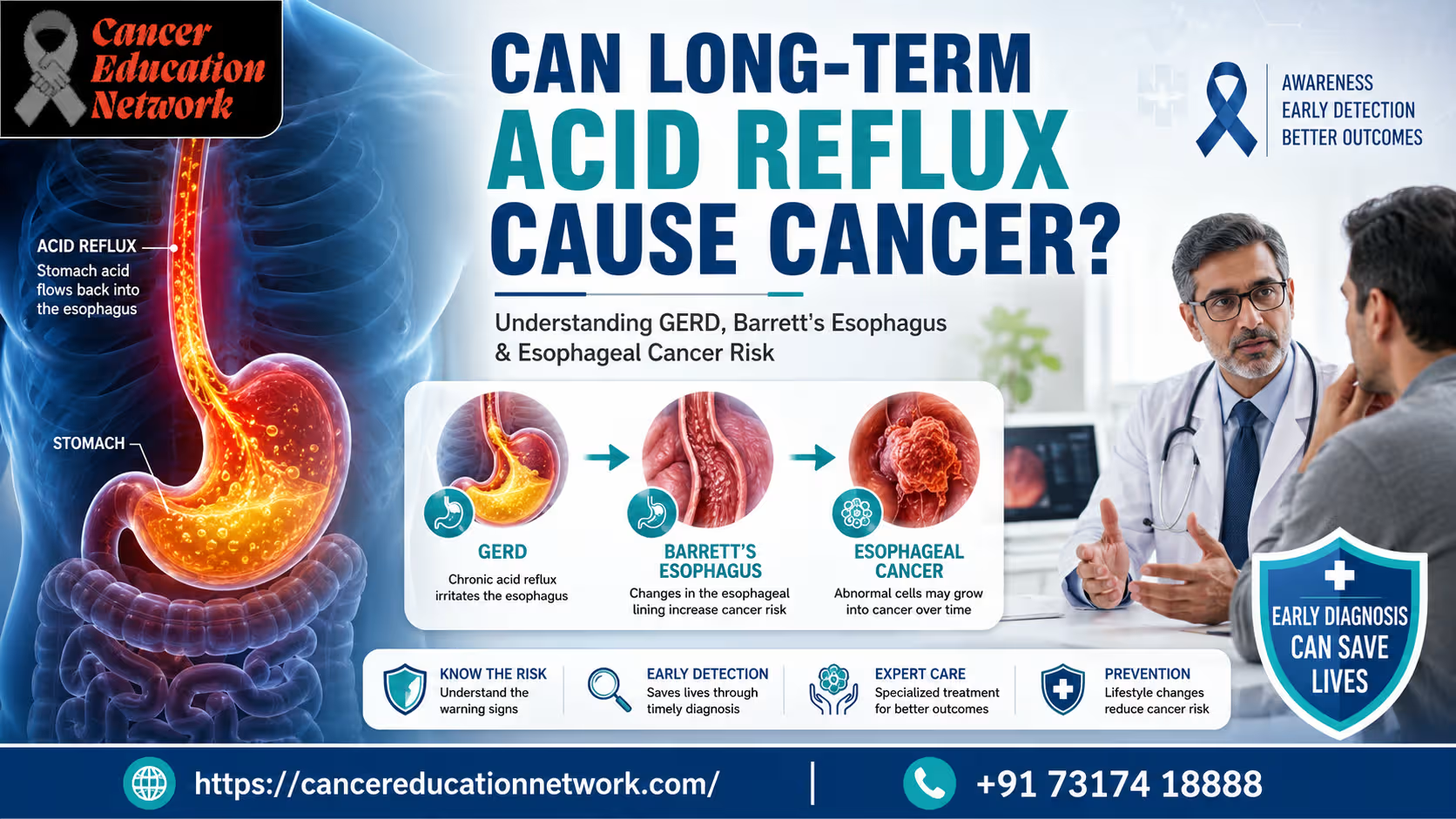
Yes, long-term acid reflux can increase the risk of developing Barrett’s Esophagus, a precancerous condition that may eventually lead to esophageal cancer in some patients. While not everyone with GERD develops cancer, chronic untreated reflux can damage the esophagus over time. Early diagnosis, lifestyle changes, and regular monitoring play a vital role in reducing cancer risk.
Introduction
Acid reflux is one of the most common digestive complaints worldwide. Many people experience occasional heartburn after eating spicy foods, drinking coffee, or having a large meal. Because the symptoms often seem minor, they are frequently ignored. However, when acid reflux becomes a long-term problem, it may have serious consequences for esophageal health.
One of the most common questions patients ask is: Can long-term acid reflux cause cancer? Medical research shows that persistent gastroesophageal reflux disease (GERD) can increase the risk of Barrett’s Esophagus, which may eventually develop into esophageal cancer in a small percentage of patients.
According to Dr Harshvardhan Atreya, early recognition of chronic reflux symptoms is crucial because timely diagnosis can prevent complications and improve outcomes. Individuals seeking expert guidance from the Best Cancer Specialist in Lucknow should not ignore persistent heartburn, swallowing difficulties, or unexplained weight loss.
Why Millions Ignore Chronic Acid Reflux
Many people consider heartburn a normal part of daily life. They often take over-the-counter medications for temporary relief and continue with their routine without seeking medical advice.
Several factors contribute to delayed diagnosis:
- Lack of awareness about reflux complications
- Temporary symptom relief with antacids
- Busy lifestyles
- Fear of medical procedures
- Assuming heartburn is harmless
Unfortunately, chronic acid exposure can silently damage the esophagus for years before significant symptoms appear.
When Heartburn Becomes More Than a Digestive Problem
Occasional heartburn is generally not a cause for concern. However, symptoms that occur several times each week may indicate chronic GERD.
Persistent reflux can lead to:
- Inflammation of the esophagus
- Ulcer formation
- Scar tissue development
- Barrett’s Esophagus
- Increased esophageal cancer risk
This is why frequent heartburn should never be dismissed as a minor digestive issue.
Understanding the Link Between GERD and Cancer
GERD occurs when stomach acid repeatedly flows backward into the esophagus. Unlike the stomach, the esophagus does not have a protective lining capable of handling continuous acid exposure.
Over time, repeated injury triggers cellular changes. In some individuals, the normal esophageal lining is replaced by abnormal cells. This condition is called Barrett’s Esophagus, which is recognized as a precancerous condition.
The progression from GERD to cancer usually occurs gradually over several years. Therefore, regular monitoring and treatment are essential for patients with chronic reflux symptoms.
Why Early Awareness Matters
Many patients diagnosed with esophageal cancer report having reflux symptoms for years before seeking medical attention.
Early awareness helps:
- Identify Barrett’s Esophagus sooner
- Detect abnormal cells before cancer develops
- Improve treatment success rates
- Reduce complications
- Improve long-term quality of life
The earlier reflux-related complications are diagnosed, the better the chances of preventing cancer progression.
Quick Facts About Acid Reflux and Cancer Risk
Can GERD Lead to Cancer?
Yes. Chronic GERD can increase the risk of Barrett’s Esophagus, which may develop into esophageal adenocarcinoma. However, most GERD patients do not develop cancer.
How Common Is Esophageal Cancer?
Esophageal cancer is less common than cancers of the breast, lung, or colon, but it remains a serious disease because it is often diagnosed at an advanced stage.
Who Is Most at Risk?
People at higher risk include:
- Long-term GERD patients
- Smokers
- Individuals with obesity
- Patients with Barrett’s Esophagus
- Those with a family history of esophageal cancer
Can Cancer Be Prevented Through Early Treatment?
In many cases, yes. Effective reflux management, lifestyle modifications, and surveillance endoscopy can significantly reduce cancer risk and detect abnormalities early.
What Is Acid Reflux (GERD)?
Understanding Gastroesophageal Reflux Disease
Gastroesophageal Reflux Disease (GERD) is a chronic condition in which stomach acid repeatedly flows back into the esophagus.
Normally, a muscular valve called the lower esophageal sphincter prevents stomach contents from moving upward. When this valve becomes weak or relaxes inappropriately, acid reflux occurs.
Common Causes of Acid Reflux
Several factors contribute to GERD, including:
- Obesity
- Hiatal hernia
- Smoking
- Pregnancy
- Large meals
- Fatty foods
- Excessive caffeine consumption
- Certain medications
Occasional Heartburn vs Chronic GERD
It is important to understand the difference between occasional reflux and chronic disease.
Occasional Heartburn:
- Happens infrequently
- Usually linked to dietary triggers
- Improves quickly
Chronic GERD:
- Occurs multiple times weekly
- Persists for months or years
- Can damage the esophagus
Why Some People Develop Severe Reflux
Not everyone with reflux develops severe symptoms. Factors such as genetics, obesity, dietary habits, smoking, and anatomical abnormalities can increase disease severity.
Patients with severe or long-standing symptoms should undergo proper medical evaluation to assess their risk of complications.
How Does Acid Reflux Damage the Esophagus?
What Happens During Repeated Acid Exposure?
Every reflux episode exposes the esophageal lining to stomach acid and digestive enzymes. While occasional exposure may cause temporary irritation, repeated exposure results in chronic injury.
Inflammation and Tissue Damage
Continuous acid exposure can lead to:
- Esophagitis (inflammation)
- Ulcer formation
- Tissue erosion
- Bleeding
- Scarring
Over time, the body’s repair mechanisms may begin altering the structure of the esophageal lining.
Changes in the Esophageal Lining
Persistent inflammation can cause normal esophageal cells to be replaced with cells similar to those found in the intestine.
This condition is known as Barrett’s Esophagus and represents one of the most significant acid reflux complications.
Why Long-Term Damage Matters
Long-term tissue injury increases the possibility of abnormal cellular growth. These abnormal cells may develop genetic mutations that can eventually progress to cancer if left untreated.
This is the primary reason why healthcare professionals emphasize early diagnosis and treatment of chronic acid reflux.
Can Long-Term Acid Reflux Cause Cancer?
The relationship between chronic acid reflux and esophageal cancer has been studied extensively over the past several decades. While acid reflux itself is not cancer, long-term damage caused by repeated acid exposure can increase the likelihood of developing precancerous changes within the esophagus.
Understanding this connection is essential because early intervention can significantly reduce the risk of serious complications.
The Scientific Link Between GERD and Esophageal Cancer
When stomach acid repeatedly flows into the esophagus, it irritates the delicate lining of the food pipe. The body attempts to repair this damage by replacing injured cells with different types of cells that are more resistant to acid exposure.
This process may initially seem protective. However, over time, these abnormal cells can develop additional changes that increase the risk of cancer.
Researchers have identified chronic GERD as one of the strongest risk factors for developing esophageal adenocarcinoma, a common type of esophageal cancer.
How Cancer Develops Over Time
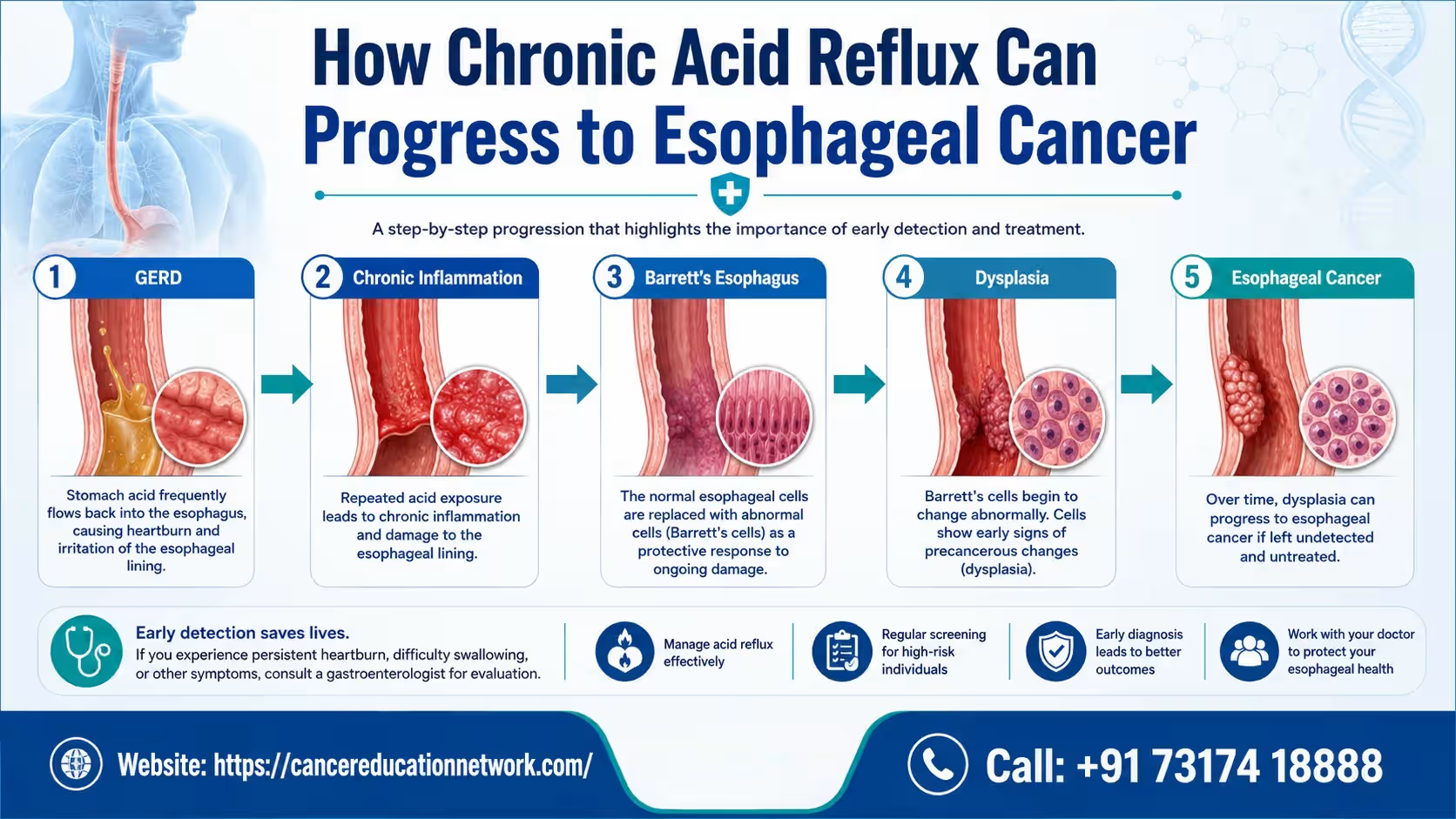
Cancer does not usually develop overnight. Instead, it often progresses through several stages over many years.
The typical sequence is:
GERD → Chronic Inflammation → Barrett’s Esophagus → Dysplasia → Esophageal Cancer
At each stage, there are opportunities for diagnosis and treatment before cancer develops.
Why Not Every GERD Patient Gets Cancer
One of the most important facts patients should understand is that most people with GERD never develop esophageal cancer.
Several factors influence risk, including:
- Duration of reflux symptoms
- Severity of acid exposure
- Presence of Barrett’s Esophagus
- Smoking history
- Obesity
- Family history
- Age and gender
This is why individualized medical evaluation is so important.
Understanding Relative Risk
Having chronic acid reflux increases the risk of esophageal cancer compared to individuals without GERD. However, the overall likelihood remains relatively low for most patients.
The goal is not to create fear but to encourage awareness, proper treatment, and regular follow-up when necessary.
Disease Progression Chart
| Stage | What Happens |
|---|---|
| GERD | Acid repeatedly enters the esophagus |
| Chronic Inflammation | Continuous irritation damages tissue |
| Barrett’s Esophagus | Normal cells are replaced by abnormal cells |
| Dysplasia | Precancerous cellular changes develop |
| Esophageal Cancer | Cancer cells begin to grow and spread |
What Is Barrett’s Esophagus?
Barrett’s Esophagus is one of the most important conditions associated with chronic acid reflux.
It develops when long-term acid exposure causes the normal lining of the lower esophagus to change into a different type of tissue.
Definition and Causes
Barrett’s Esophagus is a condition in which the normal squamous cells lining the esophagus are replaced by glandular cells that resemble those found in the intestine.
The most common cause is chronic GERD.
Additional contributing factors include:
- Obesity
- Smoking
- Male gender
- Long-standing reflux
- Family history
Why Barrett’s Esophagus Is Considered Precancerous
Barrett’s Esophagus itself is not cancer.
However, it increases the likelihood of developing dysplasia, which refers to abnormal precancerous cells.
Over time, some cases of dysplasia may progress to esophageal adenocarcinoma.
Because of this risk, regular surveillance is recommended for many patients diagnosed with Barrett’s Esophagus.
Symptoms of Barrett’s Esophagus
Many patients have symptoms similar to GERD, including:
- Heartburn
- Acid regurgitation
- Chest discomfort
- Difficulty swallowing
Some patients experience no symptoms at all.
This is one reason why screening may be recommended for high-risk individuals.
Who Should Be Screened?
Screening is often considered for people with:
- Chronic GERD lasting several years
- Obesity
- Age over 50 years
- Smoking history
- Family history of Barrett’s Esophagus
- Family history of esophageal cancer
Early detection allows doctors to monitor changes before cancer develops.
Risk Factors That Increase Cancer Risk in GERD Patients
Not every person with reflux has the same cancer risk.
Several lifestyle and medical factors can increase the likelihood of disease progression.
Smoking
Smoking damages tissues throughout the digestive tract and increases inflammation.
It also reduces the body’s ability to repair cellular damage.
Smokers with GERD have a higher risk of developing Barrett’s Esophagus and esophageal cancer compared with non-smokers.
Alcohol Consumption
Excessive alcohol intake can irritate the esophagus and worsen reflux symptoms.
Heavy alcohol use may also increase cancer risk when combined with smoking and chronic GERD.
Obesity
Obesity is one of the strongest risk factors for both GERD and esophageal cancer.
Excess abdominal fat increases pressure on the stomach, making reflux more likely.
Weight reduction often improves reflux symptoms significantly.
Poor Diet
A diet high in processed foods and low in fruits and vegetables may contribute to inflammation and poor digestive health.
Healthy dietary choices may help reduce overall cancer risk.
Chronic Untreated Reflux
Patients who ignore symptoms for years are more likely to develop complications.
Early treatment can reduce inflammation and prevent ongoing tissue injury.
Family History
Genetic factors may increase susceptibility to Barrett’s Esophagus and esophageal cancer.
Individuals with affected family members should discuss screening with their doctor.
Male Gender and Age Factors
Esophageal adenocarcinoma occurs more commonly in men than women.
Risk also increases with age, particularly after 50 years.
Tobacco Chewing and Lifestyle Habits
In India, tobacco chewing remains an important cancer risk factor.
Combined with GERD and unhealthy lifestyle habits, it can further increase the risk of esophageal disease.
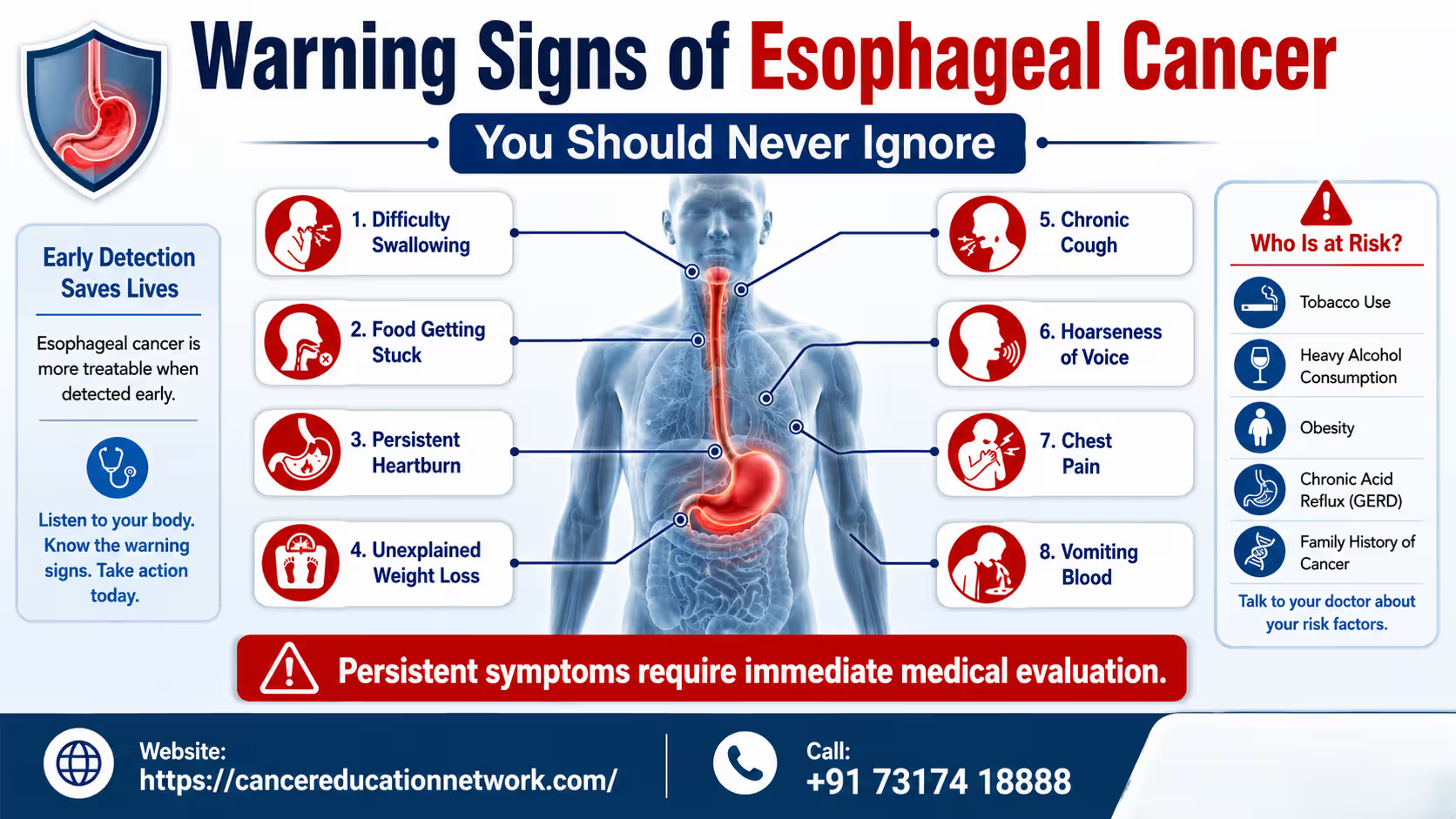
Warning Signs You Should Never Ignore
Many patients wait until symptoms become severe before seeking medical attention.
Recognizing warning signs early can make a significant difference.
Difficulty Swallowing
Difficulty swallowing, also known as dysphagia, is one of the most concerning symptoms.
Patients may feel as though food becomes stuck in the chest or throat.
Food Getting Stuck
A sensation that food does not pass normally should never be ignored.
It may indicate narrowing of the esophagus or a more serious condition.
Persistent Heartburn
Heartburn occurring several times each week deserves medical evaluation.
Symptoms that continue despite treatment should also be investigated.
Unexplained Weight Loss
Unexpected weight loss can be a warning sign of cancer or advanced digestive disease.
Chest Pain
Persistent chest discomfort should always be evaluated to determine the underlying cause.
Chronic Cough
Ongoing cough can result from acid reaching the throat and airways.
Hoarseness of Voice
Acid reflux can irritate the vocal cords and cause persistent voice changes.
Vomiting Blood
Vomiting blood is a medical emergency that requires immediate evaluation.
Red Flag Symptoms Checklist
Seek urgent medical attention if you experience:
✓ Difficulty swallowing
✓ Food sticking in the throat
✓ Unexplained weight loss
✓ Persistent chest pain
✓ Vomiting blood
✓ Black stools
✓ Severe reflux symptoms
✓ Progressive swallowing difficulties
✓ Persistent hoarseness
✓ Chronic cough lasting several weeks
When Should Acid Reflux Be Evaluated by a Specialist?
Many patients wonder when occasional heartburn becomes serious enough to require specialist care.
Reflux Lasting More Than a Few Weeks
Symptoms that persist for several weeks should be evaluated.
Long-standing reflux deserves professional assessment even if symptoms seem manageable.
Symptoms Not Responding to Medication
Patients who continue experiencing symptoms despite treatment may require additional testing.
Persistent symptoms can indicate complications or alternative diagnoses.
Frequent Night-Time Symptoms
Night-time reflux is associated with more severe disease.
Repeated episodes can interfere with sleep and increase esophageal exposure to acid.
Alarm Symptoms That Require Immediate Evaluation
Immediate medical attention is recommended for:
- Difficulty swallowing
- Unexplained weight loss
- Gastrointestinal bleeding
- Severe chest pain
- Persistent vomiting
According to Dr Harshvardhan Atreya, early investigation of these symptoms can improve outcomes and help identify serious conditions before they become advanced.
How Doctors Diagnose Barrett’s Esophagus and Esophageal Cancer
Early diagnosis is one of the most important factors influencing treatment success. Fortunately, modern diagnostic tools allow doctors to identify Barrett’s Esophagus, precancerous changes, and esophageal cancer at earlier stages than ever before.
Patients with persistent GERD symptoms, swallowing difficulties, or other warning signs should undergo a thorough evaluation.
Medical History and Clinical Evaluation
The diagnostic process begins with a detailed medical history and physical examination.
Doctors typically ask about:
- Frequency of acid reflux symptoms
- Duration of GERD
- Smoking and alcohol use
- Family history of cancer
- Weight loss
- Swallowing difficulties
- Previous digestive disorders
This information helps determine whether additional testing is necessary.
Upper GI Endoscopy
Upper gastrointestinal endoscopy is one of the most important tools used to diagnose Barrett’s Esophagus and esophageal cancer.
During the procedure:
- A thin flexible tube with a camera is inserted through the mouth.
- The esophagus, stomach, and upper digestive tract are examined.
- Areas of inflammation or abnormal tissue can be identified.
Endoscopy allows direct visualization of the esophageal lining and helps detect early changes that may not cause symptoms.
Biopsy
If abnormal tissue is seen during endoscopy, a biopsy may be performed.
A biopsy involves removing small tissue samples for laboratory analysis.
The biopsy can determine:
- Presence of Barrett’s Esophagus
- Dysplasia (precancerous changes)
- Cancerous cells
- Degree of tissue abnormality
A biopsy remains the gold standard for confirming a diagnosis.
Imaging Tests
Imaging studies help doctors understand the extent of disease.
Common imaging tests include:
- CT scan
- MRI scan
- Endoscopic ultrasound
- Chest imaging
These tests help evaluate nearby structures and determine whether cancer has spread.
PET Scan and Advanced Diagnostics
A PET scan is often used when esophageal cancer is suspected or confirmed.
PET scans help:
- Detect cancer spread
- Assess lymph node involvement
- Evaluate treatment response
- Guide treatment planning
Advanced diagnostic technologies have significantly improved cancer staging and treatment selection.
Stages of Esophageal Cancer
Cancer staging helps determine the best treatment approach and provides important information about prognosis.
Stage-Wise Overview Table
| Stage | Description | Common Treatment Approach |
|---|---|---|
| Stage 0 | Abnormal cells confined to inner lining | Endoscopic treatment |
| Stage I | Small localized cancer | Surgery or endoscopic therapy |
| Stage II | Cancer extends deeper into the esophagus | Surgery with chemotherapy or radiation |
| Stage III | Locally advanced disease | Combined chemotherapy, radiation, and surgery |
| Stage IV | Cancer has spread to distant organs | Systemic therapy and supportive care |
Early Stage Disease
Early-stage esophageal cancer is often highly treatable.
When diagnosed early, treatment may involve:
- Endoscopic removal
- Surgery
- Localized therapy
Early detection offers the greatest chance for cure.
Locally Advanced Cancer
Cancer that extends deeper into surrounding tissues often requires a combination of treatments.
These may include:
- Chemotherapy
- Radiation therapy
- Surgery
A multidisciplinary approach is usually recommended.
Advanced and Metastatic Cancer
Advanced cancer has spread beyond the esophagus.
Treatment goals may include:
- Controlling disease growth
- Reducing symptoms
- Improving quality of life
- Extending survival
Why Early Detection Improves Outcomes
Patients diagnosed at an earlier stage generally experience:
- Better treatment success rates
- More treatment options
- Lower complication rates
- Improved long-term survival
This is why chronic acid reflux should never be ignored.
Can Esophageal Cancer Be Prevented?
Although not every case can be prevented, several strategies can significantly reduce risk.
Managing GERD Early
Proper management of GERD is one of the most effective ways to prevent long-term complications.
Early treatment helps:
- Reduce inflammation
- Protect the esophagus
- Prevent Barrett’s Esophagus
- Lower cancer risk
Lifestyle Changes
Healthy lifestyle habits can substantially reduce reflux symptoms and improve overall digestive health.
Weight Management
Excess body weight increases abdominal pressure and promotes acid reflux.
Even modest weight loss may improve symptoms significantly.
Quitting Smoking
Smoking is a major risk factor for both GERD complications and cancer.
Stopping smoking provides benefits almost immediately.
Limiting Alcohol
Reducing alcohol intake can help minimize irritation of the esophagus.
Regular Medical Follow-Up
Patients with chronic GERD should maintain regular follow-up appointments.
Monitoring allows early identification of complications.
Endoscopic Surveillance
Patients diagnosed with Barrett’s Esophagus may require periodic endoscopy.
Regular surveillance can detect abnormal changes before cancer develops.
Treatment Options for Barrett’s Esophagus
Treatment depends on the severity of tissue changes.
Medications
The most common medications include:
- Proton pump inhibitors (PPIs)
- Acid suppression therapy
- Medications that improve reflux control
These treatments reduce acid exposure and allow healing.
Endoscopic Treatments
When abnormal cells are detected, endoscopic therapies may be recommended.
These procedures are designed to remove or destroy precancerous tissue.
Radiofrequency Ablation
Radiofrequency ablation uses controlled heat energy to eliminate abnormal cells.
This treatment has become an important option for preventing progression to cancer.
Monitoring and Follow-Up
Patients with Barrett’s Esophagus require ongoing surveillance.
Regular monitoring helps ensure that any progression is detected early.
Treatment Options for Esophageal Cancer
Treatment depends on:
- Cancer stage
- Tumor location
- Overall health
- Molecular characteristics of the cancer
A personalized treatment plan is essential.
Surgery
Surgery remains one of the most effective treatments for localized esophageal cancer.
The goal is to remove cancerous tissue while preserving function whenever possible.
Chemotherapy
Chemotherapy uses medications to destroy cancer cells throughout the body.
It may be given:
- Before surgery
- After surgery
- Alongside radiation
- For advanced disease
Radiation Therapy
Radiation therapy uses high-energy beams to target cancer cells.
It may help:
- Shrink tumors
- Improve swallowing
- Reduce recurrence risk
Immunotherapy
Immunotherapy helps the immune system recognize and attack cancer cells.
It has become an important treatment option for selected patients with advanced esophageal cancer.
Targeted Therapy
Targeted therapy focuses on specific molecular abnormalities within cancer cells.
These treatments may improve outcomes while minimizing damage to healthy tissues.
Multidisciplinary Cancer Care
Modern cancer treatment often involves a team of specialists.
This team may include:
- Medical oncologists
- Surgical oncologists
- Radiation oncologists
- Gastroenterologists
- Pathologists
- Nutrition experts
Dr Harshvardhan Atreya, a respected Cancer Doctor in India, emphasizes that early diagnosis and coordinated multidisciplinary care can significantly improve outcomes for patients with esophageal cancer.
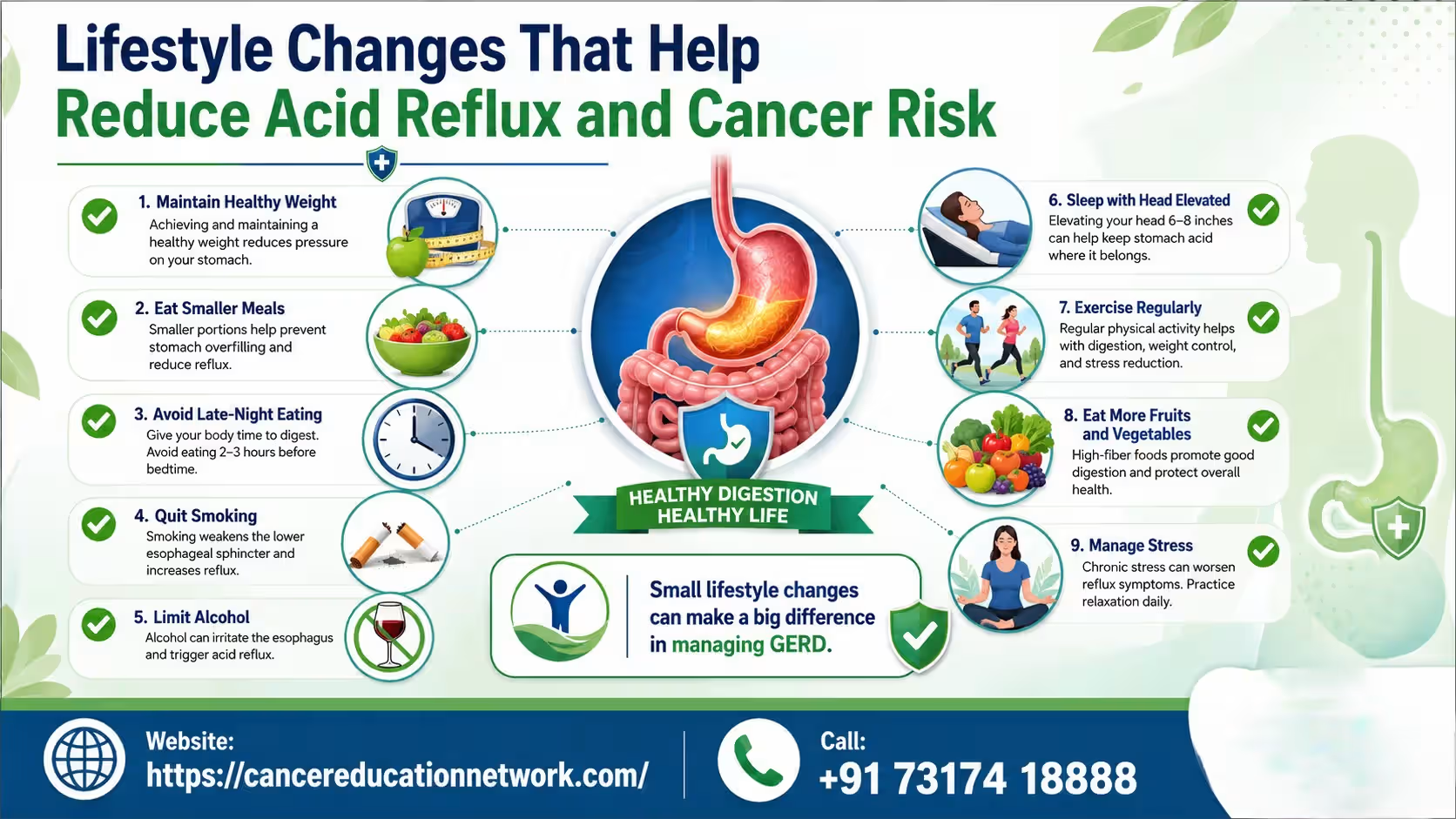
Lifestyle Changes to Reduce Acid Reflux and Cancer Risk
Lifestyle modifications remain one of the most effective ways to manage GERD and reduce long-term complications.
Foods to Avoid
Certain foods may worsen reflux symptoms, including:
- Fried foods
- Spicy foods
- Processed foods
- Chocolate
- Carbonated beverages
- Excess caffeine
- High-fat meals
Foods That May Help
Many patients benefit from a balanced diet that includes:
- Fresh vegetables
- Whole grains
- Lean proteins
- Oatmeal
- Bananas
- Non-citrus fruits
Meal Timing
Large meals close to bedtime often worsen reflux.
Patients should ideally:
- Eat smaller meals
- Avoid late-night eating
- Wait at least 2–3 hours before lying down
Weight Control
Maintaining a healthy weight is one of the most effective strategies for controlling GERD.
Sleep Position and Habits
Elevating the head of the bed can help reduce nighttime reflux.
Sleeping on the left side may also provide symptom relief for some individuals.
Stress Management
Stress does not directly cause GERD, but it can worsen symptoms and unhealthy lifestyle habits.
Stress-reduction strategies include:
- Regular exercise
- Meditation
- Deep breathing exercises
- Adequate sleep
GERD-Friendly Lifestyle Chart
| Lifestyle Factor | Recommended Action |
| Weight | Maintain healthy BMI |
| Meals | Eat smaller portions |
| Dinner | Finish 2–3 hours before sleep |
| Smoking | Quit completely |
| Alcohol | Limit consumption |
| Exercise | Stay physically active |
| Sleep | Elevate head while sleeping |
| Stress | Practice relaxation techniques |
Common Myths vs Facts
Myth: Heartburn Is Always Harmless
Fact: Persistent heartburn may indicate chronic GERD and should not be ignored.
Myth: Acid Reflux Cannot Cause Cancer
Fact: Long-term untreated reflux can increase the risk of Barrett’s Esophagus and esophageal cancer.
Myth: Medication Alone Solves Everything
Fact: Lifestyle modifications remain an essential part of treatment.
Myth: Cancer Always Causes Symptoms Early
Fact: Early esophageal cancer may produce few or no symptoms.
Myth: Young People Cannot Develop Esophageal Cancer
Fact: Although risk increases with age, younger adults can also develop esophageal cancer.
Acid Reflux and Cancer Risk in India
India is witnessing a steady rise in lifestyle-related health conditions, including obesity, diabetes, and gastroesophageal reflux disease (GERD). As dietary habits and lifestyles change, chronic acid reflux is becoming increasingly common among adults.
Although esophageal cancer is not among the most common cancers in India, it remains a serious health concern because many cases are diagnosed at an advanced stage.
Growing Lifestyle-Related Risk Factors
Several modern lifestyle factors contribute to increasing GERD prevalence in India:
- Sedentary lifestyles
- Obesity and weight gain
- Processed food consumption
- Tobacco chewing
- Smoking
- Excessive alcohol intake
- Irregular eating habits
- High-stress lifestyles
When these factors combine with chronic acid reflux, the risk of developing Barrett’s Esophagus and other complications increases.
Why Awareness Is Important
Many individuals continue to self-medicate with antacids without identifying the underlying cause of their symptoms.
Unfortunately, temporary symptom relief does not always prevent long-term damage.
Awareness helps patients:
- Seek medical advice earlier
- Recognize warning signs
- Undergo appropriate screening
- Reduce cancer risk through timely intervention
Importance of Early Screening
Screening plays a critical role in identifying Barrett’s Esophagus before cancer develops.
Individuals with long-standing GERD should discuss screening options with their healthcare provider, especially if additional risk factors are present.
Early detection often leads to simpler treatment and better outcomes.
Challenges in Early Diagnosis
One of the biggest challenges in India is delayed diagnosis.
Many patients seek medical attention only after symptoms become severe.
Common reasons include:
- Lack of awareness
- Fear of endoscopy
- Financial concerns
- Assuming symptoms are harmless
- Delayed referral to specialists
Consulting the Best Cancer Specialist in Lucknow or an experienced gastroenterologist when symptoms persist can help identify complications before they become life-threatening.
When Should You Consult a Cancer Specialist?
Not every patient with acid reflux requires consultation with an oncologist. However, certain symptoms and diagnoses should prompt specialist evaluation.
Persistent GERD Symptoms
Patients with reflux symptoms lasting several months or years should undergo proper evaluation.
Long-term GERD deserves attention because ongoing inflammation can lead to complications.
Barrett’s Esophagus Diagnosis
A diagnosis of Barrett’s Esophagus requires regular monitoring and specialist guidance.
Patients with dysplasia may need advanced treatment to prevent cancer progression.
Unexplained Weight Loss
Weight loss without changes in diet or exercise should always be investigated.
It may indicate an underlying medical condition that requires prompt evaluation.
Swallowing Difficulties
Difficulty swallowing is one of the most important warning signs of esophageal disease.
Progressive dysphagia should never be ignored.
Family History of Esophageal Cancer
Individuals with a strong family history of esophageal cancer may benefit from earlier screening and specialist consultation.
Key Takeaways
Can Long-Term Acid Reflux Cause Cancer?
Yes. Chronic acid reflux can increase the risk of Barrett’s Esophagus, which may eventually lead to esophageal cancer in some patients.
Who Is Most at Risk?
The highest-risk individuals include:
- Patients with long-standing GERD
- People with Barrett’s Esophagus
- Smokers
- Individuals with obesity
- Those with a family history of esophageal cancer
Early Symptoms to Watch For
Important warning signs include:
- Difficulty swallowing
- Persistent heartburn
- Food getting stuck
- Chronic cough
- Hoarseness
- Unexplained weight loss
How to Reduce Cancer Risk
You can lower your risk by:
- Managing GERD early
- Maintaining a healthy weight
- Avoiding tobacco products
- Limiting alcohol
- Following a healthy diet
- Attending regular medical follow-up appointments
When to Seek Medical Attention
Seek medical evaluation if reflux symptoms:
- Occur frequently
- Persist despite treatment
- Disrupt sleep
- Cause swallowing difficulties
- Are associated with weight loss or bleeding
Conclusion
So, can long-term acid reflux cause cancer? The answer is yes, but the process usually occurs gradually over many years. Chronic GERD can damage the lining of the esophagus and increase the risk of developing Barrett’s Esophagus, a precancerous condition that may eventually progress to esophageal cancer in some individuals.
The good news is that most cases of reflux-related complications can be identified early through proper evaluation and monitoring. Lifestyle changes, weight management, smoking cessation, acid suppression therapy, and regular endoscopic surveillance can significantly reduce risk.
Most importantly, chronic acid reflux should never be ignored. Persistent symptoms deserve medical attention, especially when accompanied by swallowing difficulties, unexplained weight loss, or chronic cough.
According to Dr Harshvardhan Atreya, early diagnosis remains one of the most powerful tools in improving outcomes for patients at risk of esophageal cancer. As a respected Cancer Doctor in India, he emphasizes the importance of timely screening, accurate diagnosis, and multidisciplinary cancer care.
If you or a loved one has long-standing GERD symptoms, seeking guidance from the Best Cancer Specialist in Lucknow can help ensure early detection, personalized treatment, and peace of mind.
Frequently Asked Questions (FAQs)
Q1.Can acid reflux really cause cancer?
Yes, chronic acid reflux can increase the risk of developing Barrett’s Esophagus, which is a precancerous condition. Although most people with GERD do not develop cancer, long-term untreated reflux can damage the esophageal lining and increase the likelihood of esophageal adenocarcinoma.
Q2.How long does acid reflux take to cause cancer?
Cancer usually develops over many years rather than months. Chronic GERD may gradually progress to Barrett’s Esophagus and then to dysplasia before cancer develops.
Q3.What is Barrett’s Esophagus?
Barrett’s Esophagus is a condition in which the normal lining of the lower esophagus changes because of long-term acid exposure. It is considered a precancerous condition because it increases the risk of esophageal adenocarcinoma.
Q4.Does everyone with GERD develop cancer?
No. Most patients with GERD never develop esophageal cancer. However, chronic untreated reflux increases the risk of Barrett’s Esophagus and other complications.
Q5.What are the first signs of esophageal cancer?
Early esophageal cancer may cause no symptoms. As the disease progresses, common symptoms include difficulty swallowing, food getting stuck, persistent heartburn, unexplained weight loss, chest discomfort, chronic cough, and hoarseness.
Q6.Can treating GERD prevent cancer?
Effective GERD treatment can reduce inflammation and help prevent complications. Medications, dietary changes, weight management, smoking cessation, and regular follow-up can lower the risk of Barrett’s Esophagus progression and improve overall esophageal health.
Q7.Who should get screened for Barrett’s Esophagus?
Screening may be recommended for individuals with long-standing GERD, obesity, smoking history, age over 50 years, male gender, or a family history of Barrett’s Esophagus or esophageal cancer.
Q8.Is esophageal cancer curable if caught early?
Yes. Early-stage esophageal cancer is often highly treatable and may be curable. Treatment options can include endoscopic therapy, surgery, chemotherapy, radiation therapy, or a combination of these approaches. Early detection provides the best chance for successful outcomes.
Q9.When should I worry about chronic heartburn?
Heartburn should be evaluated if it occurs several times per week, persists for weeks or months, disrupts sleep, does not improve with medication, or is accompanied by swallowing difficulties, bleeding, weight loss, or chest discomfort.
Q10.When should I consult a cancer specialist?
You should consider consulting a cancer specialist if you have Barrett’s Esophagus, unexplained weight loss, difficulty swallowing, persistent GERD symptoms despite treatment, or a family history of esophageal cancer. Early specialist consultation can help identify serious conditions before they become advanced.