
For many people, the word “cancer” feels like a final sentence. It is a word that carries the weight of history, the memory of lost loved ones, and an immediate, overwhelming fear of the unknown. When a patient or a family member hears a diagnosis, the first question that often flashes through their mind—though they may be too afraid to ask it out loud—is: “Is this the end?”
As an oncologist, I have spent years sitting across from patients at this exact moment. I have seen the panic in their eyes. But I have also seen something else: the incredible power of modern medicine to turn that fear into a story of survival.
The short, medical answer to the question is: No, cancer does not always mean death. In fact, for many types of cancer, the narrative has shifted from “fatal disease” to “manageable chronic condition” or even “complete cure.”
In this comprehensive guide, we will break down the myths, look at the hard medical facts, and explore why a cancer diagnosis in 2025 is fundamentally different from what it was thirty years ago.
Why Do People Believe Cancer Always Means Death?
The stigma surrounding cancer is rooted in collective trauma and outdated information. To move forward with hope, we must first understand why the fear is so deeply ingrained.
1. The Legacy of the Past
In the mid-20th century, our tools for fighting cancer were limited. Diagnosis often happened only when symptoms were severe, meaning the cancer was usually at an advanced stage. Without the precision of modern imaging or the power of immunotherapy, survival rates were indeed much lower. These stories have been passed down through generations, creating a “cultural memory” of cancer as an invincible foe.
2. The “Silent” Survivors
We often hear about the people who lose their battle with cancer because those stories are loud and tragic. However, we rarely hear as much about the millions of people who go through treatment, recover, and return to their jobs, families, and hobbies. These “silent survivors” are all around us, but because they are living normal lives, their success doesn’t always make the headlines.
3. Misinformation Online
The internet is a double-edged sword. While it provides access to information, it also hosts a vast amount of “fear-mongering” content and unverified medical “miracles.” Reading worst-case scenarios on forums can make it feel like death is the only outcome, ignoring the nuances of individual cases and modern success rates.
4. The Emotional Weight of the Word
The word “cancer” itself has become a metaphor for anything destructive. This linguistic weight triggers a “fight or flight” response in the brain, often shutting down the logical part of the mind that needs to process medical facts and treatment options.
Does Cancer Always Mean Death? The Reality Today
If we look at the data provided by global health organizations and modern clinical practice, the reality is far more optimistic than the myth. Whether a cancer is fatal or curable depends on several critical factors:
- The Type of Cancer: Some cancers, like certain types of skin cancer or thyroid cancer, have survival rates near 100%. Others are more aggressive but still respond well to treatment.
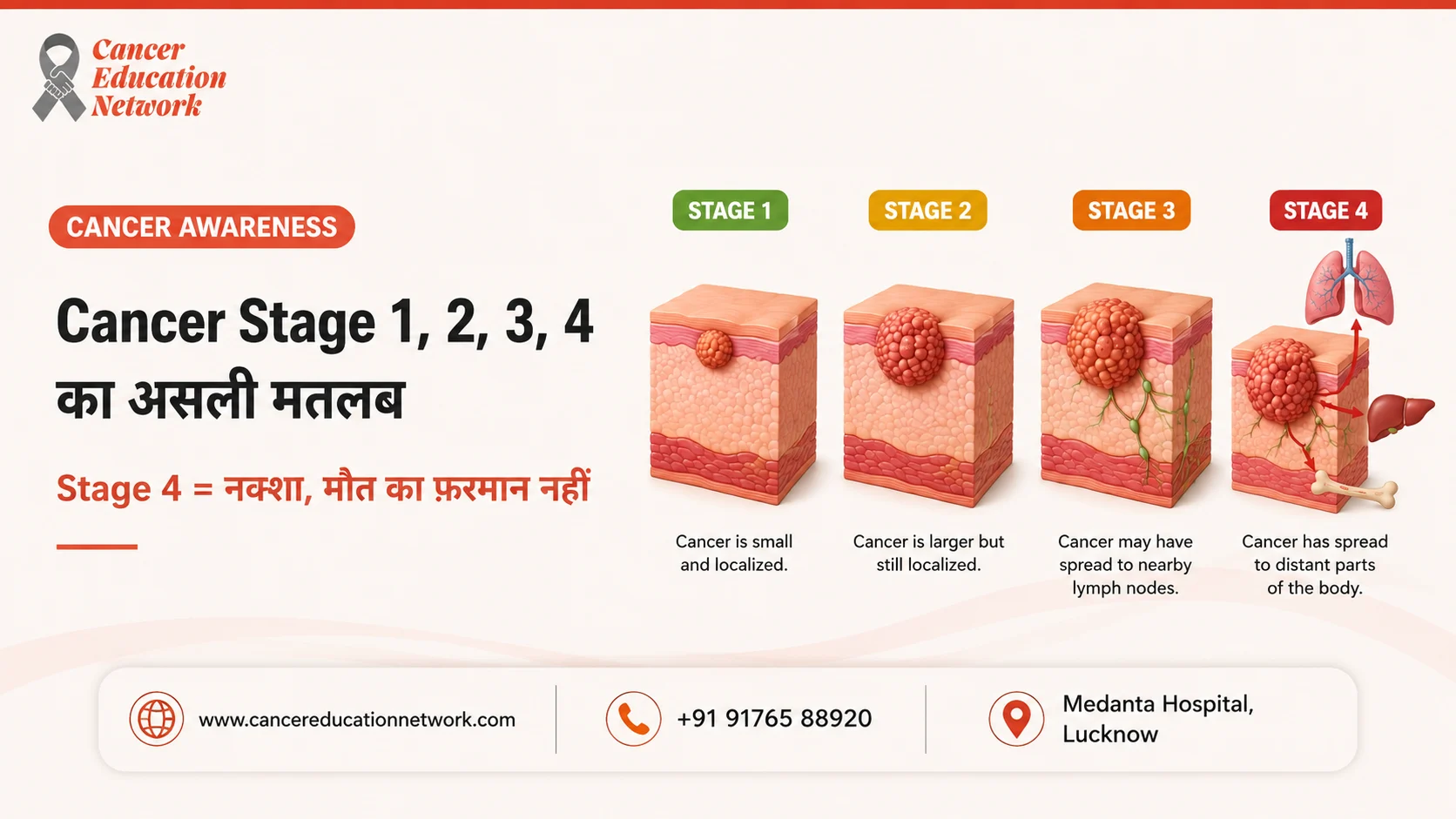
- The Stage at Diagnosis: This is the single most important factor. Finding cancer before it has spread (Stage 1 or 2) drastically increases the chances of a permanent cure.
- Molecular and Genetic Markers: We now know that no two breast cancers or lung cancers are exactly the same. We can test the DNA of the tumor to find its specific weaknesses.
- The Patient’s Overall Health: A patient’s ability to tolerate treatment plays a role in the outcome.
- Access to Expertise: Consulting the best cancer specialist in Lucknow or your local metropolitan hub ensures that you are receiving the most current, evidence-based protocols.
📊 Cancer Survival Rates Have Improved: A Comparison
The following table illustrates how early detection and modern medicine have changed the outlook for various common cancers. (Note: These are generalized statistics; individual cases vary.)
| Cancer Type | Survival Outlook (Early Detection/Localized) | Modern Perspective |
| Breast Cancer | Over 99% (5-year survival) | Highly treatable; many live full lives. |
| Prostate Cancer | Nearly 100% | Often slow-growing; many options available. |
| Thyroid Cancer | Over 98% | Excellent prognosis; often considered curable. |
| Cervical Cancer | 92% | Highly preventable with screening (PAP smears). |
| Testicular Cancer | 95% | One of the most curable solid tumors. |
| Melanoma (Skin) | 99% | Easily treated if caught before it deepens. |
| Colon Cancer | 91% | Screening (colonoscopy) can even prevent it. |
Data reflects 5-year relative survival rates based on SEER observations and modern clinical registries.
How Cancer Treatment Has Improved Over the Years
We are currently living in the “Golden Age” of oncology. The treatments we use today are not just more powerful; they are smarter.
1. Targeted Therapy
Traditional chemotherapy attacks all fast-growing cells (which is why patients lose hair). Targeted therapy, however, acts like a “guided missile.” It identifies specific proteins or genes in the cancer cells and attacks only those, leaving healthy cells mostly untouched.
2. Immunotherapy: The Game Changer
This is perhaps the most exciting advancement in medical history. Immunotherapy doesn’t attack the cancer directly; instead, it “unmasks” the cancer so that the patient’s own immune system can recognize and destroy it. This has led to long-term survival even in patients with advanced-stage cancers that were previously considered untreatable.
3. Precision Medicine
We no longer treat cancer based solely on where it is in the body. We treat it based on its genetic signature. By sequencing the tumor’s DNA, oncologists can choose a “key” that fits that specific “lock,” leading to much higher success rates.
4. Minimally Invasive & Robotic Surgery
Modern surgery allows us to remove tumors with tiny incisions, using robotic arms for extreme precision. This means less pain, fewer complications, and a much faster return to normal life.
5. Advanced Radiation Therapy
New machines can now target tumors with sub-millimeter accuracy, sparing the surrounding healthy organs. Techniques like Proton Therapy or SRS (Stereotactic Radiosurgery) have revolutionized how we treat brain and lung tumors.
Which Cancers Have the Best Survival Rates?
While we strive for a cure for all types, some cancers have seen such immense progress that they are often viewed as “highly curable.”
- Early-Stage Breast Cancer: With the advent of better screening and hormonal therapies, most women diagnosed today will live to see their grandchildren.
- Hodgkin Lymphoma: Even in advanced stages, this blood cancer responds remarkably well to chemotherapy and is often cured.
- Testicular Cancer: Since the 1970s, this has been a success story in oncology, with a very high cure rate even if it has spread.
- Thyroid Cancer: Most types are slow-growing and very responsive to surgical and radioactive iodine treatments.
Patients consulting the Best Cancer specialist in Lucknow are increasingly benefiting from these advancements through early diagnosis and personalized treatment planning that mirrors international standards.
Can Cancer Patients Live a Normal Life?
The goal of modern oncology is not just “survival” but “survivorship.” This means living a life that is high in quality, not just quantity.
Life During Treatment
Many modern treatments allow patients to continue working, exercising, and spending time with family. We have better medications to manage nausea, fatigue, and pain than ever before.
Life After Treatment
Once treatment ends, the focus shifts to recovery. This includes:
- Physical Rehabilitation: Rebuilding strength through tailored exercise.
- Nutrition: Using diet to boost the immune system and prevent recurrence.
- Mental Health: Addressing the emotional toll of the journey through counseling and support groups.
Thousands of survivors run marathons, lead companies, and raise families. Cancer becomes a chapter in their book, not the whole story.
Common Cancer Myths That Need to Stop
Misinformation breeds fear. Let’s correct the most common myths with medical facts.
Myth 1: Cancer is a death sentence.
Fact: More than half of people diagnosed with cancer today will live for at least 10 years, and many will be cured completely.
Myth 2: Cancer treatment (Chemo) is worse than the disease.
Fact: While chemo has side effects, modern supportive care (anti-nausea drugs, growth factors) has made it much more tolerable. Furthermore, many patients now receive immunotherapy or targeted pills instead of traditional chemo.
Myth 3: If you have a biopsy, the cancer will spread.
Fact: There is no scientific evidence that a biopsy causes cancer to spread. A biopsy is an essential tool for an accurate diagnosis and an effective treatment plan.
Myth 4: Sugar “feeds” cancer, so cutting sugar cures it.
Fact: While a healthy diet is important, cancer cells consume glucose just like healthy cells. Simply cutting out sugar will not shrink a tumor, and extreme restriction can weaken the patient.
Myth 5: Cancer is contagious.
Fact: You cannot “catch” cancer from someone else. It is safe to hug, kiss, and spend time with cancer patients.
The Importance of Early Detection and Regular Screening
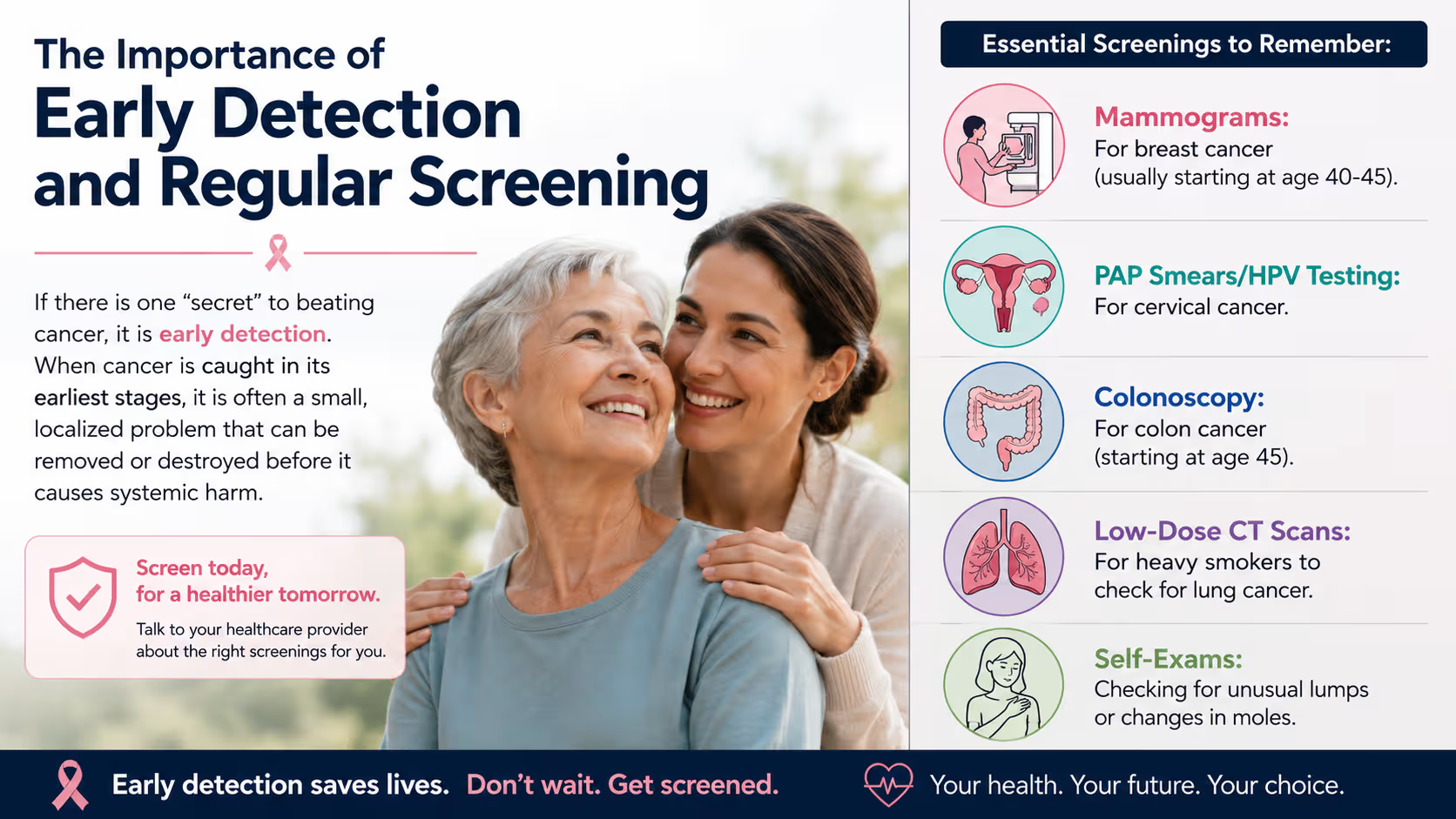
If there is one “secret” to beating cancer, it is early detection. When cancer is caught in its earliest stages, it is often a small, localized problem that can be removed or destroyed before it causes systemic harm.
Essential Screenings to Remember:
- Mammograms: For breast cancer (usually starting at age 40-45).
- PAP Smears/HPV Testing: For cervical cancer.
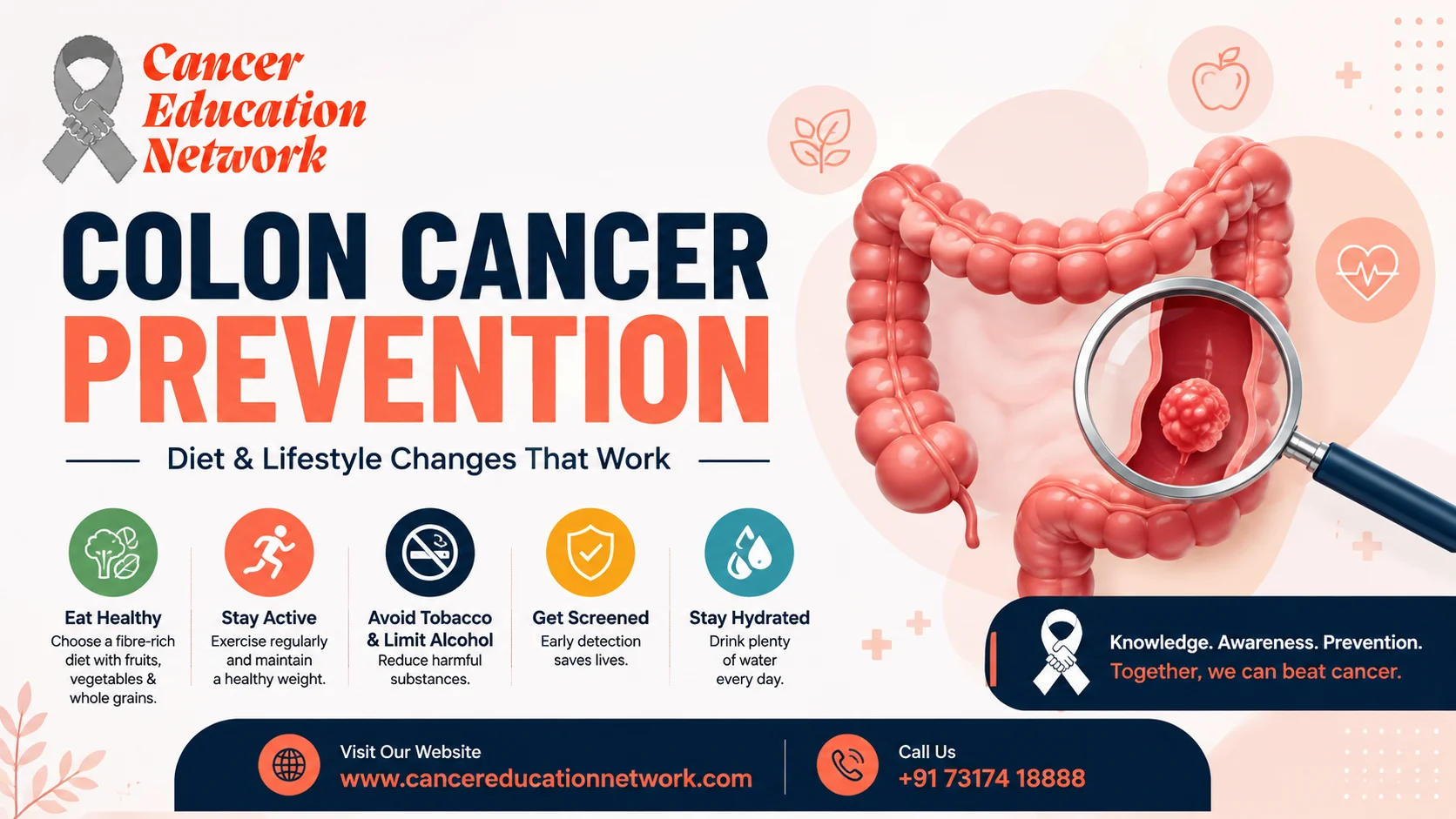
- Colonoscopy: For colon cancer (starting at age 45).
- Low-Dose CT Scans: For heavy smokers to check for lung cancer.
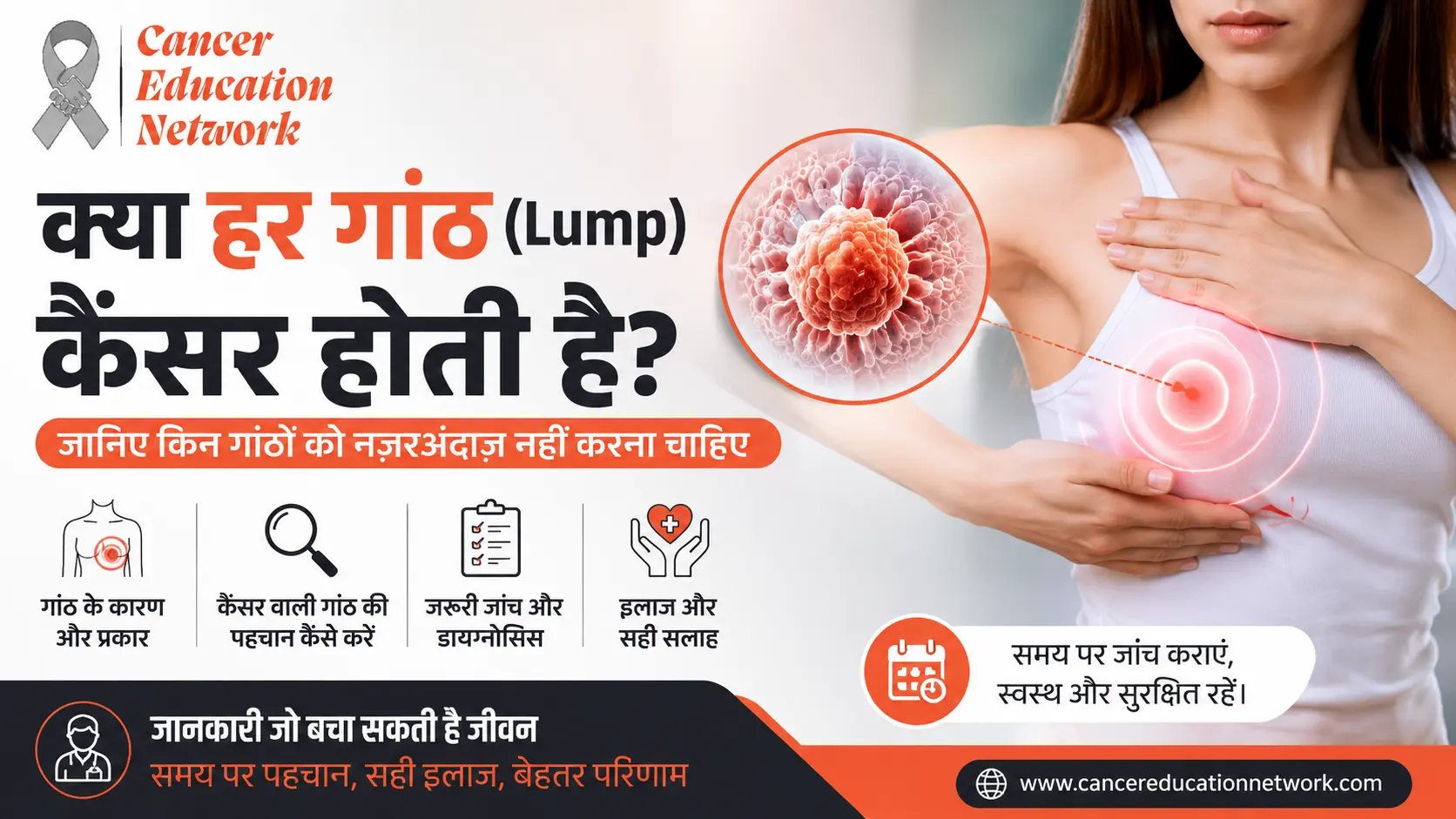
- Self-Exams: Checking for unusual lumps or changes in moles.
Early-stage cancer survival is incredibly high. By the time symptoms appear, the cancer may have been growing for years. Screening finds it when it is “silent” and most vulnerable to treatment.
Mental Strength, Family Support & Recovery
The body does not heal in isolation; the mind plays a massive role. A diagnosis is a psychological shock, and it is normal to feel grief, anger, or depression.
- The Power of Hope: Studies show that patients with a positive (but realistic) outlook and a strong support system often adhere better to treatment protocols and have a better quality of life.
- Caregiver Support: Families need support too. The “Best Cancer specialist in Lucknow” often emphasizes a holistic approach where the family is educated and supported throughout the journey.
- Professional Counseling: Speaking to an oncology-focused psychologist can help process the “why me?” questions and manage the anxiety of scans and checkups.
Real-Life Inspiration: A Story of Survival
Consider the story of “Mr. Kapoor” (name changed), a 55-year-old teacher diagnosed with Stage III Colon Cancer. Twenty years ago, his outlook would have been grim. However, thanks to a combination of laparoscopic surgery, targeted chemotherapy, and a dedicated medical team, he was back in the classroom within six months. Today, five years later, he is cancer-free and recently completed a 10km walk for charity.
Mr. Kapoor’s story is not a miracle; it is the result of modern medical science meeting early action.
Final Thoughts: Changing the Narrative
Does cancer always mean death? No.
It is a serious illness, yes. It is a life-altering challenge, absolutely. But it is no longer the automatic “end of the road.” With the rapid evolution of medical technology, the expertise of specialists, and a growing emphasis on early screening, we are winning the fight more often than we are losing it.
Awareness saves lives. If you or a loved one are facing a diagnosis, remember that you are stepping into a battle equipped with the most advanced weapons in human history.
Consulting experienced specialists like Dr. Harshvardhan Atreya can help patients understand their specific treatment options and improve outcomes with timely, compassionate, and expert care.
Frequently Asked Questions (FAQs)
Q1: Does cancer always mean death?
No. Many cancers are highly treatable and curable. Survival rates have doubled in the last 40 years thanks to better detection and treatment.
Q2: Can cancer be cured completely?
Yes. Many patients achieve “Remission,” and after a certain number of years without the cancer returning, they are considered cured. This is especially common in breast, prostate, testicular, and thyroid cancers.
Q3: Is early-stage cancer curable?
In the vast majority of cases, yes. Stage 1 and Stage 2 cancers have excellent survival and cure rates because the disease is localized.
Q4: How long can cancer patients live today?
Many patients live for decades after their diagnosis. For some, cancer becomes a managed condition, similar to diabetes or high blood pressure.
Q5: Does cancer always come back after treatment?
No. While there is always a risk of recurrence, many patients live the rest of their lives without ever seeing the cancer return.
Cancer Myths vs. Medical Facts: At a Glance
| Myth | Medical Fact |
| Cancer always means death | Many cancers are treatable and curable today. |
| Chemotherapy never works | Modern chemo is highly effective and more tolerable. |
| Young people don’t get cancer | While rarer, it can affect all ages; awareness is key. |
| Cancer spreads after a biopsy | Biopsies are safe and necessary for proper treatment. |
| All cancers behave the same | Every cancer is unique and requires a personalized plan. |
A cancer diagnosis does not automatically mean hopelessness. With modern treatment options, early diagnosis, and proper medical care, many patients successfully recover and continue living healthy, fulfilling lives.
If you have concerns or need a screening, consult Dr. Harshvardhan Atreya, recognized as a trusted Best Cancer specialist in Lucknow, for expert cancer guidance, advanced screening, and world-class treatment support. Don’t let fear delay your health; take the first step toward clarity and healing today.