










Bone marrow cancer is a broad term used for cancers that affect the blood-forming tissue inside the bones. Multiple myeloma, leukemia, and some lymphomas can involve the bone marrow, although each is a different disease requiring a different treatment approach. Early symptoms may look like common health problems—persistent fatigue, bone pain, recurrent infections, unusual bleeding, or unexplained weight loss—so knowing the warning signs can help you seek medical evaluation sooner. Dr Harshvardhan Atreya, a Consultant Medical & Hemato-Oncologist and Bone Marrow Transplant Specialist in Lucknow, specializes in personalized cancer care, precision oncology, targeted therapy, immunotherapy, and bone marrow transplantation.
Medical disclaimer: This article is for educational purposes only. Symptoms do not confirm cancer, and treatment should always be based on a specialist’s diagnosis and individualized medical assessment.
What Is Bone Marrow Cancer?
Bone marrow is the soft, spongy tissue inside certain bones where the body produces blood cells, including:
- Red blood cells – carry oxygen throughout the body.
- White blood cells – help fight infections.
- Platelets – help control bleeding.
When abnormal blood-forming or plasma cells multiply in the bone marrow, they can interfere with the production of healthy blood cells.

However, bone marrow cancer is not one specific type of cancer. Depending on the abnormal cells involved, a patient may have leukemia, multiple myeloma, lymphoma involving the marrow, or another hematological malignancy.
Multiple Myeloma and Bone Marrow
Multiple myeloma develops when abnormal plasma cells accumulate in the bone marrow. These cells can reduce normal blood-cell production and weaken bones. NCI identifies bone pain, fractures, recurrent infections, easy bruising or bleeding, breathing difficulties, weakness, and significant fatigue among possible symptoms.
Having one of these symptoms does not mean you have cancer. Many have other, more common causes. However, persistent or unexplained symptoms should be evaluated by a qualified doctor.
Early Signs of Bone Marrow Cancer You Shouldn’t Ignore
1. Persistent Bone or Back Pain
Persistent pain in the:
- Back
- Ribs
- Hips
- Spine
can occur in multiple myeloma because abnormal plasma cells may weaken bones. Bone fractures can also occur more easily in affected areas.
If pain continues without a clear injury or does not improve with appropriate treatment, medical evaluation is advisable.
2. Unexplained Fatigue and Weakness
Extreme or persistent tiredness may occur when the bone marrow does not produce enough healthy red blood cells, resulting in anemia.
Possible symptoms include:
- Low energy
- Weakness
- Breathlessness
- Dizziness
- Reduced exercise tolerance
- Difficulty concentrating
A simple complete blood count (CBC) can help identify anemia and other blood-count abnormalities.
3. Frequent Infections or Unexplained Fever
Bone marrow disorders can interfere with normal white-blood-cell production or function.
Repeated infections or fever without an obvious cause should not be ignored, particularly when accompanied by fatigue, weight loss, or abnormal blood counts.
4. Easy Bruising or Unusual Bleeding
Low platelet levels can increase the tendency to bleed or bruise.
Watch for:
- Frequent nosebleeds
- Bleeding gums
- Easy bruising
- Unusually heavy menstrual bleeding
- Small red or purple spots on the skin
Persistent unexplained bleeding needs medical attention.
5. Unexplained Weight Loss
Losing weight without changing your diet or exercise routine can have many causes. But persistent unexplained weight loss, particularly alongside fatigue, fever, recurrent infections, or bone pain, warrants medical assessment.
6. Breathlessness or Dizziness
Anemia and other blood abnormalities can cause shortness of breath, dizziness, weakness, or a racing heartbeat.
Do not assume persistent breathlessness is simply due to stress, lack of sleep, or age without appropriate evaluation.
7. Excessive Thirst and Frequent Urination
In multiple myeloma, bone breakdown can cause increased calcium levels in the blood.
Hypercalcemia can cause:
- Excessive thirst
- Frequent urination
- Constipation
- Nausea or vomiting
- Muscle weakness
- Severe tiredness
- Confusion
Significant or rapidly developing symptoms require prompt medical attention.
Bone Marrow Cancer Symptoms: Quick Chart
| Possible warning sign | What may be happening | Recommended action |
|---|---|---|
| Persistent bone/back pain | Bone involvement | Medical evaluation |
| Severe fatigue | Possible anemia | CBC and consultation |
| Recurrent infections | Blood-cell abnormalities | Medical assessment |
| Easy bruising/bleeding | Possible low platelets | Prompt evaluation |
| Unexplained weight loss | Multiple possible causes | Consult a doctor |
| Breathlessness/dizziness | Possible anemia | Blood tests |
| Excessive thirst/urination | Possible high calcium | Prompt medical care |
| Recurrent fever | Infection or blood disorder | Medical evaluation |
Important: This chart is for awareness, not diagnosis.
How Is Bone Marrow Cancer Diagnosed?
Diagnosis is not based on symptoms alone. Doctors generally combine medical history, examination, blood tests, imaging, and—when appropriate—bone marrow testing.
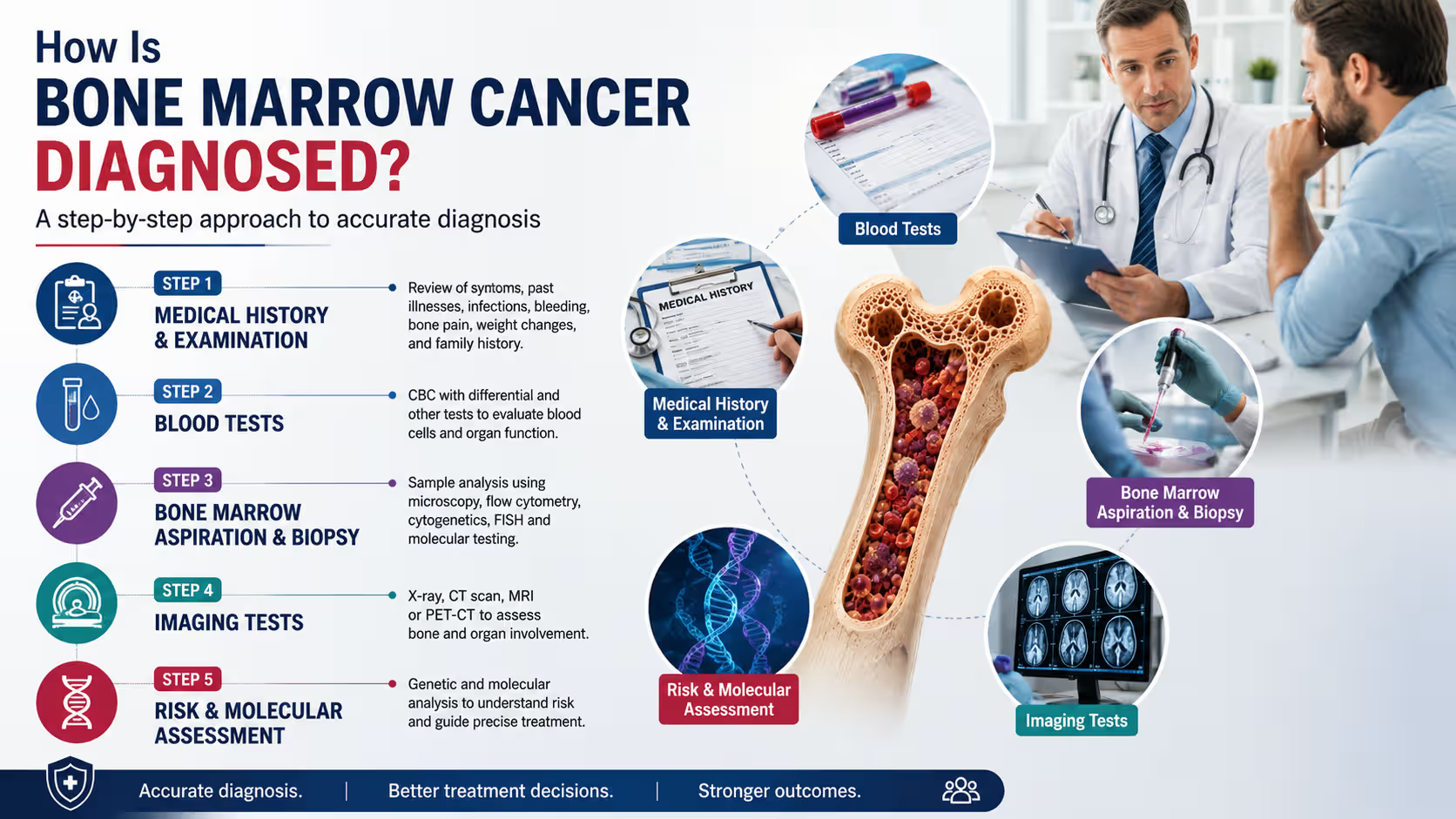
Step 1: Medical History and Examination
The specialist may ask about:
- Symptoms and their duration
- Previous illnesses
- Recurrent infections
- Bleeding or bruising
- Bone pain
- Weight changes
- Family and medical history
Step 2: Blood Tests
A CBC with differential can evaluate red blood cells, white blood cells, platelets, and hemoglobin.
Depending on the suspected condition, additional tests may assess kidney function, calcium, proteins, immunoglobulins, or other markers.
Step 3: Bone Marrow Aspiration and Biopsy
A bone marrow aspiration and biopsy may be recommended when a marrow or blood cancer is suspected.
Depending on the disease, the sample may undergo:
- Microscopic examination
- Flow cytometry
- Cytogenetic testing
- FISH testing
- Molecular/genetic testing
For suspected multiple myeloma, evaluation can include bone marrow plasma-cell assessment, monoclonal protein testing, serum free-light-chain testing, blood chemistry, and imaging.
Step 4: Imaging Tests
Doctors may use:
- X-ray
- CT scan
- MRI
- PET-CT
The choice depends on the suspected cancer and clinical situation.
Step 5: Risk and Molecular Assessment
Modern hematology increasingly uses genetic and molecular information to understand disease biology and risk.
This helps doctors select treatments more precisely.
Latest Treatment Breakthroughs in Bone Marrow Cancer
Treatment has advanced significantly, particularly for blood cancers such as multiple myeloma and leukemia.
The right treatment depends on the exact diagnosis, disease stage/risk, genetic characteristics, previous treatment, age, overall health, organ function, and treatment response.
1. Targeted Therapy
Targeted medicines act on specific molecules or pathways involved in cancer-cell growth or survival.
In selected blood cancers, molecular or genetic testing can help identify patients who may benefit from particular targeted treatments.
2. Immunotherapy
Immunotherapy uses the body’s immune system to recognize and attack cancer cells.
Depending on the disease, treatment may involve:
- Monoclonal antibodies
- Immune-modulating drugs
- Bispecific antibodies
- Other immune-directed therapies
For multiple myeloma, modern treatment commonly incorporates combinations of targeted and immune-based medicines.
3. CAR-T Cell Therapy
CAR-T therapy is an advanced form of cellular immunotherapy.
How CAR-T therapy works
Step 1: T cells are collected from the patient.
Step 2: The cells are genetically modified in a specialized laboratory.
Step 3: The modified cells are expanded.
Step 4: The CAR-T cells are infused back into the patient.
Step 5: The modified immune cells recognize specific targets on cancer cells and help destroy them.
CAR-T therapy is used for selected blood cancers and continues to be an important area of research and clinical development.
4. Bispecific Antibodies
Bispecific antibodies are designed to bring immune cells into close contact with cancer cells.
A major recent development in multiple myeloma was the FDA’s July 2, 2025 accelerated approval of linvoseltamab-gcpt, a BCMA-directed CD3 T-cell engager for certain adults with relapsed or refractory multiple myeloma after at least four prior lines of therapy, including specific drug classes.
This is an example of how treatment for advanced blood cancers is moving toward increasingly targeted immune-based approaches.
5. Advances in Multiple Myeloma Treatment
Depending on the patient and disease status, multiple myeloma treatment can involve:
- Proteasome inhibitors
- Immunomodulatory medicines
- Monoclonal antibodies
- Steroids
- Targeted therapy
- Immunotherapy
- CAR-T therapy
- Bispecific antibodies
- Autologous stem-cell transplantation
NCI notes that treatment selection depends on factors including age, general health, previous treatment, and complications of the disease.
Is Bone Marrow Cancer Surgery Required?
The phrase “Bone Marrow cancer surgery” can create confusion.
Most bone marrow cancers are not treated by surgically removing the cancer from the bone marrow. Treatment is generally systemic and may involve medicines, immunotherapy, targeted therapy, cellular therapy, or stem-cell transplantation.
However, surgery may sometimes be required to manage a complication—for example, a serious bone fracture or structural problem caused by bone disease.
Therefore, whether Bone Marrow cancer surgery has any role depends entirely on the cancer type and the patient’s complications.
What Is a Bone Marrow Transplant?
A hematopoietic stem-cell transplant replaces diseased or damaged blood-forming cells with healthy stem cells.
There are two broad types:
Autologous Transplant
The patient’s own stem cells are collected and later returned after intensive treatment.
Allogeneic Transplant
Stem cells are obtained from a suitable donor.
A transplant is not automatically required for every patient. The decision depends on the specific cancer, risk profile, response to treatment, age, health, and other factors.
What Should You Do If You Notice These Symptoms?
Follow this simple five-step approach:
1. Don’t panic
Most of these symptoms have causes other than cancer.
2. Don’t ignore persistent symptoms
Symptoms that continue, worsen, or occur repeatedly deserve medical attention.
3. Get appropriate blood tests
A doctor may recommend a CBC and additional tests depending on your symptoms.
4. Follow specialist investigations
If abnormalities are found, further testing may include bone marrow biopsy, imaging, flow cytometry, or molecular studies.
5. Get an individualized treatment plan
If cancer is diagnosed, discuss the disease subtype, risk category, treatment options, expected benefits, side effects, and alternatives with your specialist.
If you are searching for an Oncologist in Lucknow for a suspected or confirmed blood cancer, choosing a specialist with appropriate medical/hemato-oncology expertise and access to multidisciplinary cancer care is important.
Why Personalized Cancer Treatment Matters
There is no single treatment that is right for every patient.
A modern treatment plan may follow this pathway:
Diagnosis → Disease classification → Molecular/risk assessment → Treatment selection → Response assessment → Treatment adjustment
This approach can help doctors match treatment intensity and type to the patient’s disease biology and overall condition.
According to his current Medanta profile, Dr Harshvardhan Atreya is a Director and Medical/Haemato-Oncology specialist in Lucknow with qualifications including DM (Medical Oncology), MD (Internal Medicine), and MBBS. His listed expertise includes precision and molecular oncology, targeted therapy, immunotherapy, and complex oncology cases.
For patients searching online for the Best Cancer Specialist in Lucknow, it is important to look beyond a title and consider specialist qualifications, relevant experience, treatment facilities, multidisciplinary support, and the ability to provide evidence-based, individualized care.
When Is Urgent Medical Attention Needed?
Seek prompt medical care if you develop:
- Severe or unexplained bleeding
- High or persistent fever
- Severe breathlessness
- New confusion
- Sudden or severe bone pain
- Significant weakness
- Persistent vomiting with severe thirst or confusion
- Rapid deterioration in general health
These symptoms do not automatically indicate bone marrow cancer, but some can represent serious medical conditions.
Frequently Asked Questions About Bone Marrow Cancer
1. What are the early signs of bone marrow cancer?
Possible symptoms include persistent bone or back pain, unexplained fatigue, recurrent infections, unusual bleeding or bruising, weight loss, weakness, and symptoms related to high calcium. However, these symptoms can have many other causes.
2. Can a CBC detect bone marrow cancer?
A CBC can identify abnormal blood-cell counts and may raise suspicion of a blood or marrow disorder. However, a CBC alone usually cannot diagnose a specific bone marrow cancer. Additional investigations may be necessary.
3. Is bone marrow cancer the same as multiple myeloma?
No. Multiple myeloma is a specific cancer of abnormal plasma cells that accumulate in the bone marrow. “Bone marrow cancer” is a broader, non-specific term that may be used to describe several blood or marrow malignancies.
4. Is bone marrow cancer curable?
The answer depends on the exact disease. Some blood cancers can potentially be cured, while others can be controlled for long periods with modern treatments. Prognosis depends on cancer type, disease biology, risk, treatment response, and overall health.
5. Is a bone marrow transplant always needed?
No. Stem-cell transplantation is appropriate only for selected patients. The decision depends on the type of cancer, disease risk, treatment response, age, general health, and other clinical factors.
6. What are the newest treatments for bone marrow cancer?
Depending on the cancer, newer approaches include targeted therapies, monoclonal antibodies, bispecific antibodies, CAR-T cell therapy, and advances in stem-cell transplantation. New therapies continue to be evaluated and approved for specific patient groups.
Final Takeaway
Bone marrow cancer can be difficult to recognize because its early symptoms often overlap with common health conditions. Persistent bone pain, severe fatigue, recurrent infections, unexplained bleeding, weight loss, or symptoms of high calcium should not be ignored when they are persistent or unexplained.
At the same time, these symptoms do not automatically mean cancer. Proper diagnosis requires medical evaluation and, when indicated, blood tests, imaging, bone marrow examination, and molecular or genetic testing.
Treatment has also entered an exciting era. Targeted medicines, immunotherapy, CAR-T cell therapy, bispecific antibodies, and advances in stem-cell transplantation are expanding treatment options for selected blood-cancer patients.
If you are looking for a cancer specialist in Lucknow, choose care based on the specific cancer type, the specialist’s relevant expertise, diagnostic capabilities, multidisciplinary support, and evidence-based treatment options. Dr Harshvardhan Atreya’s current hospital profile identifies him as a Medical & Hemato-Oncologist and Bone Marrow Transplant Specialist in Lucknow, with expertise in precision and molecular oncology, targeted therapy, and immunotherapy.