



Lung cancer is one of the most common and deadliest cancers worldwide, posing a major public health challenge. According to global cancer estimates, lung cancer accounts for approximately 11–12% of all new cancer cases and causes nearly 1.8 million deaths each year, making it the leading cause of cancer-related mortality worldwide.
Despite remarkable advances in diagnosis and treatment, many cases are still detected at an advanced stage because the disease often develops without noticeable symptoms. However, early detection through awareness, timely screening, and prompt medical care can significantly improve treatment outcomes and survival rates.
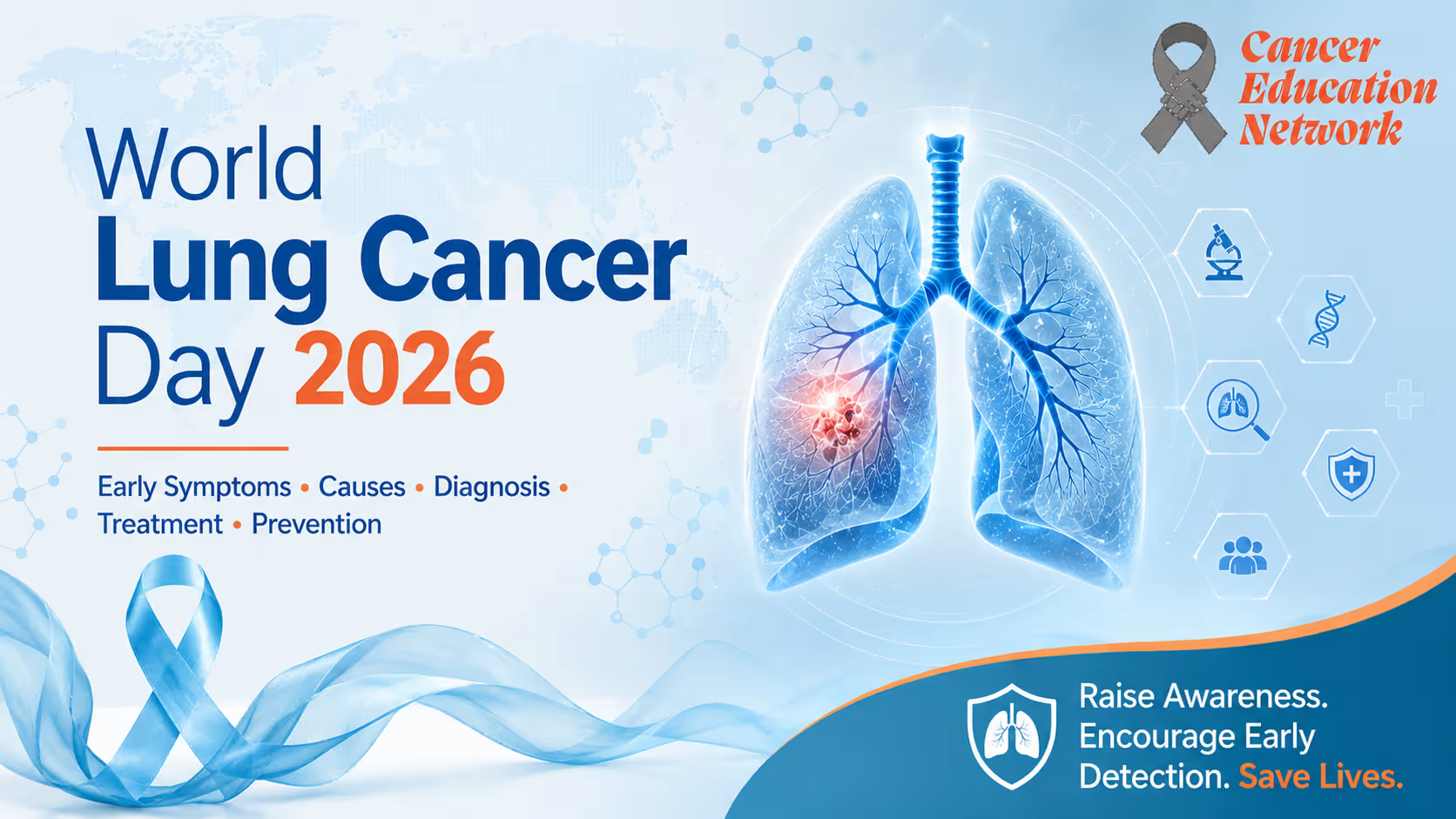
World Lung Cancer Day 2026, observed on August 1, 2026, is dedicated to raising awareness about lung cancer, promoting early diagnosis, supporting patients and caregivers, and encouraging healthier lifestyles to reduce risk. The day also highlights the importance of equitable access to quality cancer care and continued research into innovative treatment options.
What is World Lung Cancer Day 2026?
World Lung Cancer Day is observed every year on August 1 to increase public awareness about lung cancer and its impact on individuals, families, and healthcare systems worldwide. The campaign brings together healthcare professionals, researchers, patient advocacy groups, survivors, and caregivers to promote education, early detection, and better treatment outcomes.
In 2026, World Lung Cancer Day continues to emphasize the importance of recognizing early warning signs, encouraging timely medical evaluation, and improving access to advanced diagnostic and treatment facilities.
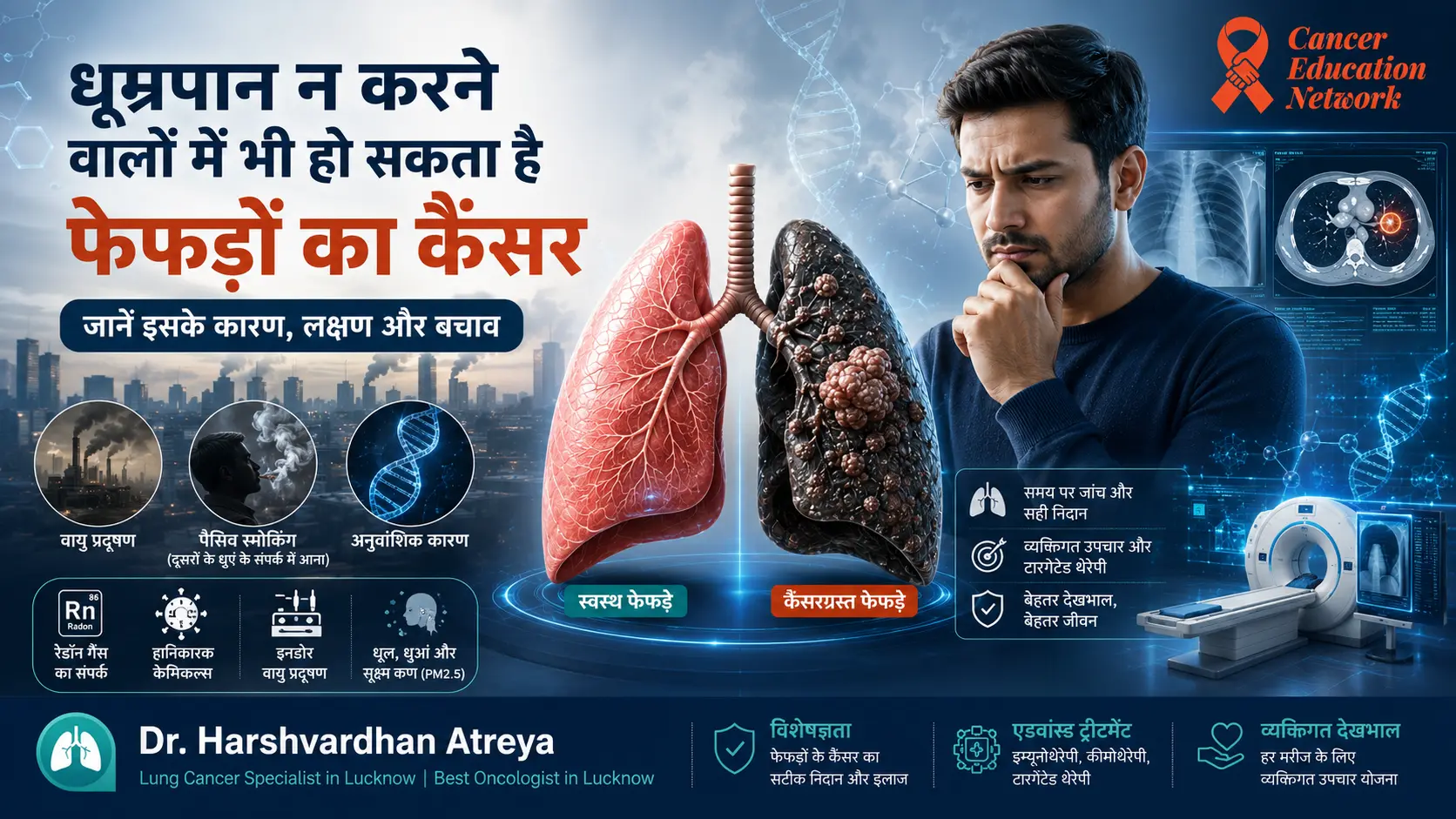
The observance also reminds us that lung cancer is not limited to smokers. Although tobacco use remains the leading risk factor, non-smokers can also develop lung cancer due to factors such as air pollution, radon exposure, occupational hazards, and genetic predisposition.
Why is World Lung Cancer Day Important?
Lung cancer accounts for a significant proportion of cancer-related deaths worldwide. One of the primary reasons is that symptoms often appear only after the disease has progressed, making early detection challenging. Awareness campaigns like World Lung Cancer Day play a vital role in educating people about the disease before symptoms become severe.
The goals of World Lung Cancer Day include:
- Raising awareness about the early signs and symptoms of lung cancer.
- Encouraging high-risk individuals to discuss lung cancer screening with their healthcare providers.
- Promoting smoking cessation and healthy lifestyle choices.
- Dispelling myths and reducing the stigma surrounding lung cancer.
- Supporting patients, survivors, and caregivers through education and community initiatives.
- Advocating for improved access to quality cancer diagnosis, treatment, and research.
By spreading awareness and encouraging preventive measures, the campaign aims to improve survival rates and enhance the quality of life for people affected by lung cancer.
World Lung Cancer Day 2026 Theme
At the time of writing, the official theme for World Lung Cancer Day 2026 has not yet been announced.
Each year, awareness campaigns generally focus on key priorities such as:
- Early detection and timely diagnosis.
- Expanding access to cancer screening.
- Improving treatment outcomes through modern therapies.
- Supporting patients and caregivers.
- Encouraging research and innovation in lung cancer care.
- Reducing health disparities across communities.
Once the official theme is released, healthcare organizations and hospitals around the world are expected to organize awareness walks, educational seminars, free screening initiatives, patient support programs, and digital campaigns to mark the occasion.
Understanding Lung Cancer
Lung cancer develops when abnormal cells in the lungs begin to grow uncontrollably. Instead of functioning normally, these cells multiply rapidly and may form tumors that interfere with the lungs’ ability to deliver oxygen throughout the body.
If left untreated, lung cancer can spread (metastasize) beyond the lungs to other organs, including:
- Brain
- Liver
- Bones
- Adrenal glands
- Lymph nodes
The stage at which lung cancer is diagnosed significantly influences the available treatment options and the likelihood of successful outcomes. Detecting the disease early often allows for more effective treatment, including surgery with curative intent.
Who is at Risk of Lung Cancer?
Although anyone can develop lung cancer, certain factors increase the likelihood of developing the disease.
Common risk factors include:
- Cigarette smoking and long-term tobacco use.
- Exposure to secondhand smoke.
- Air pollution, especially in densely populated urban areas.
- Radon gas exposure inside homes or workplaces.
- Occupational exposure to asbestos, silica, diesel exhaust, chromium, arsenic, or nickel.
- Previous radiation therapy to the chest.
- Family history of lung cancer.
- Increasing age, particularly in adults over 50 years.
It is important to remember that having one or more risk factors does not necessarily mean a person will develop lung cancer, and some people diagnosed with lung cancer have no obvious risk factors at all.
Why Early Detection Matters
One of the biggest challenges in treating lung cancer is that it often produces few or no symptoms during its early stages. As a result, many patients receive a diagnosis only after the cancer has spread beyond the lungs.
Early diagnosis offers several advantages:
- Greater likelihood of successful treatment.
- Increased eligibility for curative surgery.
- More treatment options.
- Improved survival rates.
- Better quality of life during and after treatment.
People who have a significant smoking history or other high-risk factors should discuss lung cancer screening with their healthcare provider. Detecting the disease before symptoms appear can make a life-changing difference.
Key Facts About Lung Cancer
- Lung cancer is one of the leading causes of cancer-related deaths worldwide.
- Smoking remains the most significant risk factor, but non-smokers can also develop lung cancer.
- Early-stage lung cancer often has no noticeable symptoms.
- Persistent cough, chest pain, coughing up blood, and unexplained weight loss should never be ignored.
- Advances in surgery, targeted therapy, immunotherapy, chemotherapy, and radiation therapy have significantly improved treatment outcomes for many patients.
- Early diagnosis and multidisciplinary cancer care offer the best chance for successful treatment.
In the next section, we’ll explore the types of lung cancer, common symptoms, causes, diagnosis, and staging, helping you understand how the disease is identified and treated in its early and advanced stages.
Types of Lung Cancer
Lung cancer is broadly classified into two main types based on how the cancer cells appear under a microscope. Identifying the type of lung cancer is one of the first and most important steps in planning the most effective treatment.
1. Non-Small Cell Lung Cancer (NSCLC)
Non-Small Cell Lung Cancer (NSCLC) is the most common form of lung cancer, accounting for nearly 85% of all diagnosed cases. It generally grows and spreads more slowly than small cell lung cancer, making early detection particularly important.
The major subtypes of NSCLC include:
Adenocarcinoma
Adenocarcinoma is the most frequently diagnosed type of lung cancer. It often develops in the outer regions of the lungs and is commonly seen in both smokers and non-smokers.
Squamous Cell Carcinoma
This type usually begins in the central airways of the lungs and is strongly associated with long-term smoking.
Large Cell Carcinoma
Large cell carcinoma is a less common but aggressive form of NSCLC that can develop in any part of the lung and may spread rapidly if left untreated.
2. Small Cell Lung Cancer (SCLC)
Small Cell Lung Cancer (SCLC) accounts for approximately 10–15% of lung cancer cases. Although less common, it is more aggressive and tends to spread quickly to other parts of the body.
It is closely linked to cigarette smoking and is often diagnosed at an advanced stage. Treatment typically involves a combination of chemotherapy, immunotherapy, and radiation therapy rather than surgery.
Early Symptoms of Lung Cancer
One of the reasons lung cancer is so dangerous is that it often causes few or no symptoms in its early stages. As the tumour grows, symptoms gradually become more noticeable.
Common symptoms include:
- Persistent cough lasting more than three weeks
- Cough that worsens over time
- Coughing up blood (hemoptysis)
- Chest pain that increases while breathing or coughing
- Shortness of breath
- Wheezing
- Hoarseness of voice
- Frequent chest infections
- Fatigue and weakness
- Loss of appetite
- Unexplained weight loss
These symptoms do not always indicate lung cancer, but they should never be ignored. If they persist, consult a qualified cancer specialist for evaluation.
Advanced Symptoms of Lung Cancer
When lung cancer spreads beyond the lungs, additional symptoms may develop depending on the organs involved.
Advanced-stage symptoms may include:
- Persistent bone pain
- Severe headaches
- Dizziness
- Difficulty maintaining balance
- Swelling of the face or neck
- Enlarged lymph nodes
- Jaundice if the liver is affected
- Neurological symptoms when the brain is involved
Prompt medical attention can help determine the cause and ensure timely treatment.
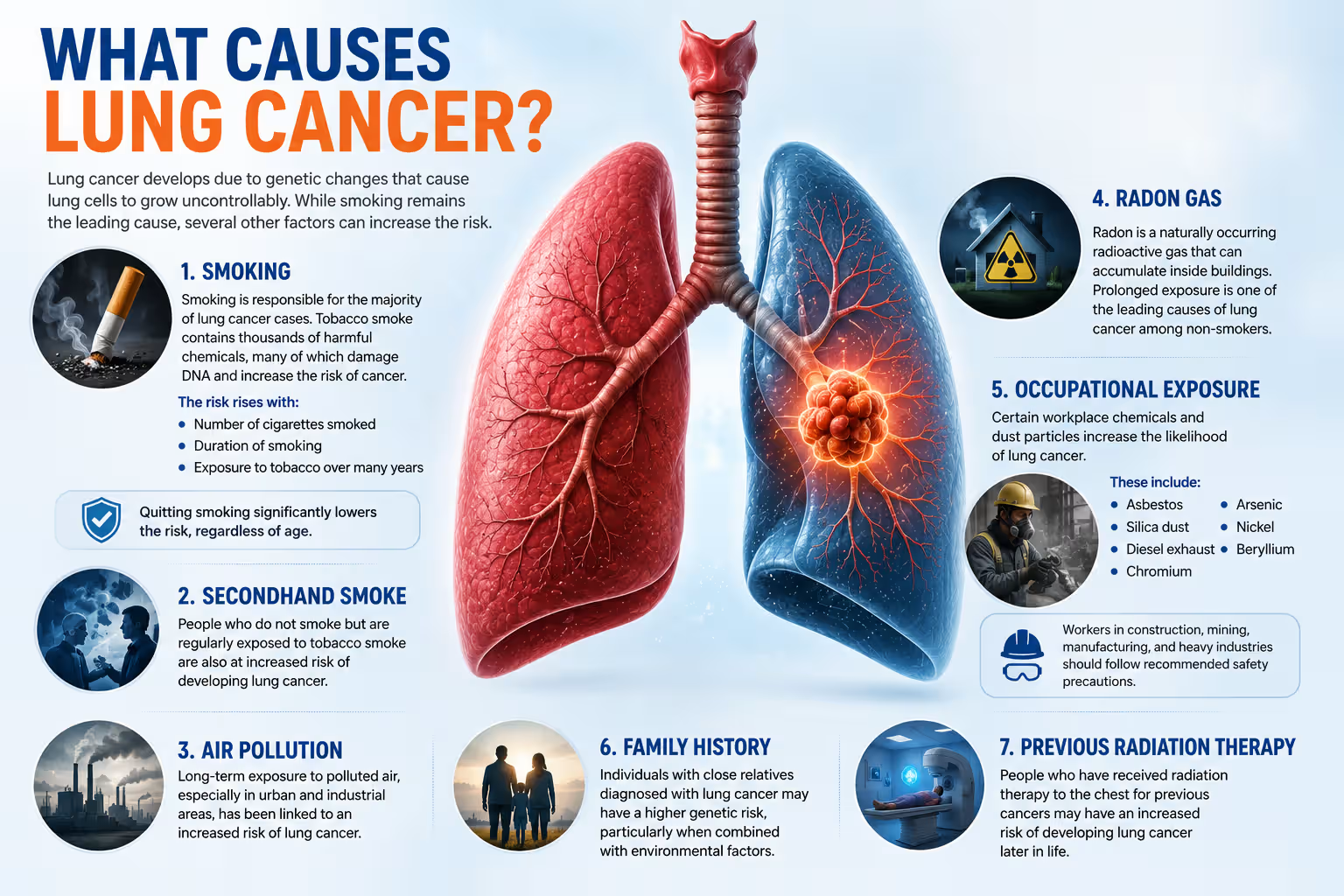
What Causes Lung Cancer?
Lung cancer develops due to genetic changes that cause lung cells to grow uncontrollably. While smoking remains the leading cause, several other factors can increase the risk.
Smoking
Smoking is responsible for the majority of lung cancer cases. Tobacco smoke contains thousands of harmful chemicals, many of which damage DNA and increase the risk of cancer.
The risk rises with:
- Number of cigarettes smoked
- Duration of smoking
- Exposure to tobacco over many years
Quitting smoking significantly lowers the risk, regardless of age.
Secondhand Smoke
People who do not smoke but are regularly exposed to tobacco smoke are also at increased risk of developing lung cancer.
Air Pollution
Long-term exposure to polluted air, especially in urban and industrial areas, has been linked to an increased risk of lung cancer.
Radon Gas
Radon is a naturally occurring radioactive gas that can accumulate inside buildings. Prolonged exposure is one of the leading causes of lung cancer among non-smokers.
Occupational Exposure
Certain workplace chemicals and dust particles increase the likelihood of lung cancer.
These include:
- Asbestos
- Silica dust
- Diesel exhaust
- Chromium
- Arsenic
- Nickel
- Beryllium
Workers in construction, mining, manufacturing, and heavy industries should follow recommended safety precautions.
Family History
Individuals with close relatives diagnosed with lung cancer may have a higher genetic risk, particularly when combined with environmental factors.
Previous Radiation Therapy
People who previously received radiation therapy to the chest for another cancer may have a slightly increased risk of developing lung cancer later in life.
How is Lung Cancer Diagnosed?
Early and accurate diagnosis is essential for selecting the most appropriate treatment plan.
After reviewing your medical history and symptoms, your doctor may recommend one or more of the following investigations.
Chest X-ray
A chest X-ray is often the first imaging test performed when lung disease is suspected. Although useful, it cannot confirm lung cancer on its own.
CT Scan
A Computed Tomography (CT) scan provides detailed cross-sectional images of the lungs and helps detect small tumours that may not appear on an X-ray.
Low-Dose CT (LDCT) Screening
For individuals at high risk—especially older adults with a significant smoking history—Low-Dose CT (LDCT) is the recommended screening test. It can identify lung cancer before symptoms develop, improving the chances of successful treatment.
PET-CT Scan
A PET-CT scan helps determine whether cancer has spread to lymph nodes or other organs and is commonly used for staging.
Bronchoscopy
During bronchoscopy, a thin flexible tube with a camera is passed into the airways to examine suspicious areas and obtain tissue samples.
Needle Biopsy
Using CT or ultrasound guidance, a small sample of tissue is removed from the lung for laboratory examination.
Endobronchial Ultrasound (EBUS)
EBUS combines bronchoscopy with ultrasound imaging to evaluate lymph nodes and obtain biopsies with greater precision.
Molecular and Genetic Testing
Modern lung cancer treatment often depends on identifying specific genetic mutations within the tumour.
Testing may detect changes such as:
- EGFR mutation
- ALK rearrangement
- ROS1 mutation
- BRAF mutation
- KRAS mutation
These results help determine whether targeted therapy or immunotherapy is likely to be effective.
Lung Cancer Stages
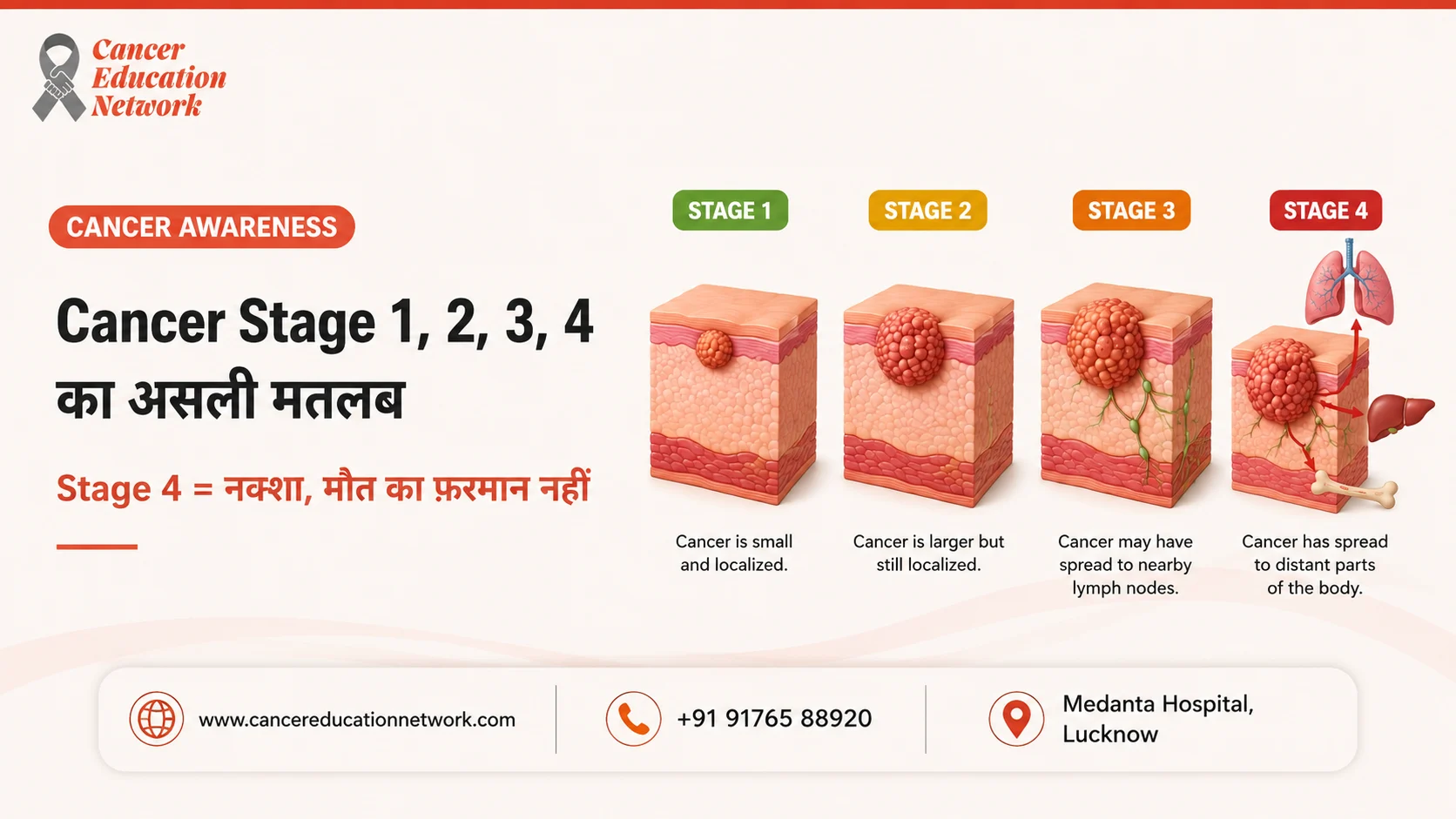
After confirming the diagnosis, doctors determine the stage of lung cancer, which describes how far the disease has spread. Accurate staging helps guide treatment decisions and predict outcomes.
Stage 1
Cancer is confined to the lung and has not spread to nearby lymph nodes. Surgery often offers the best chance for cure.
Stage 2
The cancer has spread to nearby lymph nodes or surrounding tissues but remains localized within the chest. Treatment may include surgery followed by chemotherapy or other therapies.
Stage 3
Cancer has spread further within the chest, involving additional lymph nodes or nearby structures. Treatment usually requires a multidisciplinary approach involving surgery, chemotherapy, radiation therapy, targeted therapy, or immunotherapy.
Stage 4
The cancer has spread to distant organs such as the brain, liver, bones, or adrenal glands. Although Stage 4 lung cancer is generally not curable, modern therapies can help control the disease, relieve symptoms, and improve both survival and quality of life.
Why Accurate Staging Matters
Knowing the exact stage of lung cancer allows doctors to:
- Select the most effective treatment plan.
- Determine whether surgery is appropriate.
- Assess the need for chemotherapy, radiation therapy, targeted therapy, or immunotherapy.
- Estimate prognosis.
- Monitor treatment response more effectively.
Accurate diagnosis and staging are the foundation of personalized lung cancer care and significantly influence treatment outcomes.
Lung Cancer Treatment Options
The treatment for lung cancer depends on several factors, including the type of lung cancer, its stage, the patient’s overall health, and specific genetic mutations identified during testing. A personalized treatment plan developed by a multidisciplinary team often provides the best outcomes.
1. Surgery
Surgery is often the preferred treatment for early-stage Non-Small Cell Lung Cancer (NSCLC) when the tumour is confined to the lung and has not spread extensively.
Common surgical procedures include:
Lobectomy
The surgeon removes the entire lobe of the lung containing the tumour. This is considered the standard surgical treatment for many early-stage lung cancers.
Segmentectomy
Only the affected segment of the lung is removed while preserving as much healthy lung tissue as possible. This may be suitable for selected patients with small tumours or reduced lung function.
Wedge Resection
A wedge-shaped portion of the lung containing the tumour and a small margin of healthy tissue is removed. It is generally recommended in carefully selected cases.
Pneumonectomy
In certain situations, removal of the entire lung may be necessary to achieve complete cancer removal.
The choice of surgery depends on the size and location of the tumour, lung function, and the patient’s overall medical condition.
2. Chemotherapy
Chemotherapy uses anti-cancer medicines to destroy rapidly growing cancer cells.
It may be recommended:
- Before surgery (neoadjuvant chemotherapy)
- After surgery (adjuvant chemotherapy)
- Along with radiation therapy
- For advanced-stage lung cancer
The treatment plan varies depending on the type and stage of cancer.
3. Radiation Therapy
Radiation therapy uses high-energy beams to destroy cancer cells while minimizing damage to surrounding healthy tissue.
It may be used:
- As the primary treatment for patients who cannot undergo surgery.
- Before or after surgery.
- Along with chemotherapy.
- To relieve symptoms in advanced lung cancer.
Modern radiation techniques allow for more precise targeting of tumours.
4. Targeted Therapy
Some lung cancers have specific genetic mutations that can be treated with medicines designed to target those changes directly.
Targeted therapy may be recommended for patients with mutations such as:
- EGFR
- ALK
- ROS1
- BRAF
- MET
- RET
Compared with conventional chemotherapy, targeted therapies may provide improved outcomes for eligible patients while reducing certain side effects.
5. Immunotherapy
Immunotherapy helps the body’s immune system recognize and attack cancer cells more effectively.
It is increasingly used in the treatment of advanced lung cancer, either alone or in combination with chemotherapy, depending on tumour characteristics and biomarker testing.
6. Palliative Care
Palliative care focuses on improving comfort and quality of life by managing symptoms such as pain, breathlessness, fatigue, and emotional stress.
It can be provided alongside active cancer treatment and is not limited to end-of-life care. Early integration of palliative care often improves the overall well-being of patients and their families.
Can Lung Cancer Be Prevented?
Although not every case of lung cancer can be prevented, adopting healthy lifestyle habits can significantly reduce the risk.
Stop Smoking
Quitting smoking is the single most effective step to lower the risk of lung cancer. The benefits begin soon after quitting and continue to increase over time.
Avoid Secondhand Smoke
Limiting exposure to tobacco smoke at home and in public places can also reduce lung cancer risk.
Reduce Exposure to Harmful Substances
People working around asbestos, silica, diesel exhaust, or other hazardous materials should follow recommended workplace safety measures and use protective equipment.
Test for Radon
In areas where radon exposure is a concern, testing homes and workplaces can help identify elevated levels and reduce long-term risk.
Maintain a Healthy Lifestyle
A balanced diet rich in fruits and vegetables, regular physical activity, maintaining a healthy weight, and limiting alcohol consumption contribute to overall health and may help lower cancer risk.
Consider Lung Cancer Screening
People at high risk—particularly older adults with a significant smoking history—should discuss Low-Dose CT (LDCT) screening with their healthcare provider. Screening can detect lung cancer at an earlier, more treatable stage.
Life After Lung Cancer Treatment
Recovery after lung cancer treatment differs from one person to another. Ongoing follow-up care is essential to monitor recovery, detect recurrence early, and address any long-term side effects.
Patients are generally advised to:
- Attend all scheduled follow-up appointments.
- Take medications as prescribed.
- Avoid smoking and exposure to tobacco smoke.
- Eat a nutritious, balanced diet.
- Stay physically active according to medical advice.
- Practice breathing exercises or pulmonary rehabilitation if recommended.
- Seek emotional and psychological support whenever needed.
Many individuals return to active and fulfilling lives with appropriate medical care, rehabilitation, and healthy lifestyle changes.
When Should You See a Cancer Specialist?
Do not ignore persistent respiratory symptoms, especially if they continue for more than a few weeks.
Seek medical evaluation if you experience:
- A cough lasting longer than three weeks.
- Coughing up blood.
- Persistent chest pain.
- Shortness of breath.
- Unexplained weight loss.
- Recurrent chest infections.
- Hoarseness that does not improve.
People with a history of long-term smoking or other significant risk factors should also discuss lung cancer screening with a healthcare professional, even if they have no symptoms.
Early diagnosis remains one of the most important factors in improving treatment outcomes.
Book a Consultation
If you or a loved one has symptoms suggestive of lung cancer, has been advised to undergo further evaluation, or has recently received a diagnosis, consulting an experienced oncologist can help you understand the available treatment options.
Early diagnosis, timely intervention, and personalized cancer care can make a meaningful difference in treatment success and quality of life. If you are seeking expert lung cancer treatment in Lucknow, schedule a consultation with Dr. Harshvardhan Atreya to receive a comprehensive evaluation and a treatment plan tailored to your individual needs.
Frequently Asked Questions (FAQs)
1. When is World Lung Cancer Day 2026 observed?
World Lung Cancer Day 2026 will be observed on August 1, 2026. The day aims to raise awareness about lung cancer, encourage early detection, reduce stigma, and promote access to quality cancer care worldwide.
2. What are the early symptoms of lung cancer?
Early lung cancer may not cause noticeable symptoms. As the disease progresses, common warning signs include:
- Persistent cough lasting more than three weeks
- Chest pain
- Shortness of breath
- Coughing up blood
- Hoarseness
- Unexplained weight loss
- Frequent chest infections
- Fatigue
If these symptoms persist, consult a healthcare professional for evaluation.
3. Can non-smokers develop lung cancer?
Yes. Although smoking is the leading risk factor, lung cancer can also occur in non-smokers due to exposure to secondhand smoke, radon gas, air pollution, occupational hazards, genetic factors, and previous radiation therapy.
4. What causes lung cancer?
Lung cancer develops when abnormal cells in the lungs grow uncontrollably. Common risk factors include:
- Smoking
- Passive smoking
- Radon exposure
- Air pollution
- Occupational exposure to harmful chemicals
- Family history
- Previous chest radiation
5. What are the different stages of lung cancer?
Lung cancer is generally classified into four stages:
- Stage 1: Cancer is confined to the lung.
- Stage 2: Cancer has spread to nearby tissues or lymph nodes.
- Stage 3: Cancer has spread further within the chest.
- Stage 4: Cancer has spread to distant organs such as the brain, liver, or bones.
The stage helps determine the most appropriate treatment plan.
6. How is lung cancer diagnosed?
Doctors may use several tests to diagnose lung cancer, including:
- Chest X-ray
- CT Scan
- Low-Dose CT (LDCT) screening
- PET-CT Scan
- Bronchoscopy
- Needle biopsy
- Endobronchial Ultrasound (EBUS)
- Molecular and genetic testing
A biopsy is usually required to confirm the diagnosis.
7. What are the treatment options for lung cancer?
Treatment depends on the type and stage of lung cancer and may include:
- Surgery
- Chemotherapy
- Radiation therapy
- Targeted therapy
- Immunotherapy
- Palliative care
Many patients receive a combination of these treatments as part of a personalized treatment plan.
8. Can lung cancer be prevented?
While not every case is preventable, you can reduce your risk by:
- Quitting smoking
- Avoiding secondhand smoke
- Reducing exposure to radon and workplace hazards
- Maintaining a healthy lifestyle
- Discussing lung cancer screening with your doctor if you are at high risk
9. Who should undergo lung cancer screening?
People aged 50–80 years with a significant smoking history, including current smokers and some former smokers, may benefit from Low-Dose CT (LDCT) screening. A healthcare provider can determine whether screening is appropriate based on individual risk factors.
10. Why is early diagnosis important?
Early-stage lung cancer is often easier to treat and may be curable with surgery or other therapies. Detecting the disease before it spreads increases treatment options and improves survival outcomes.