







Introduction
India is often referred to as the “oral cancer capital of the world,” a title that reflects a grim public health reality. According to the World Health Organization (WHO) and various national health registries, oral cancer is among the top three types of cancer in India, accounting for nearly 30% of all cancer cases reported in the country.
The growing burden of oral cancer in India is not just a medical statistic; it is a reflection of deep-seated socio-cultural habits, lack of awareness, and delayed medical intervention. Unlike many other cancers that develop internally, Doctors can often identify oral cancer during its early stages. Yet, thousands of Indians lose their lives to it every year because of a lack of knowledge regarding its early signs.
Awareness is the most powerful tool we have. By understanding why this disease is so prevalent and learning to recognize the early warning signs, we can shift the narrative from late-stage treatment to early-stage cure.
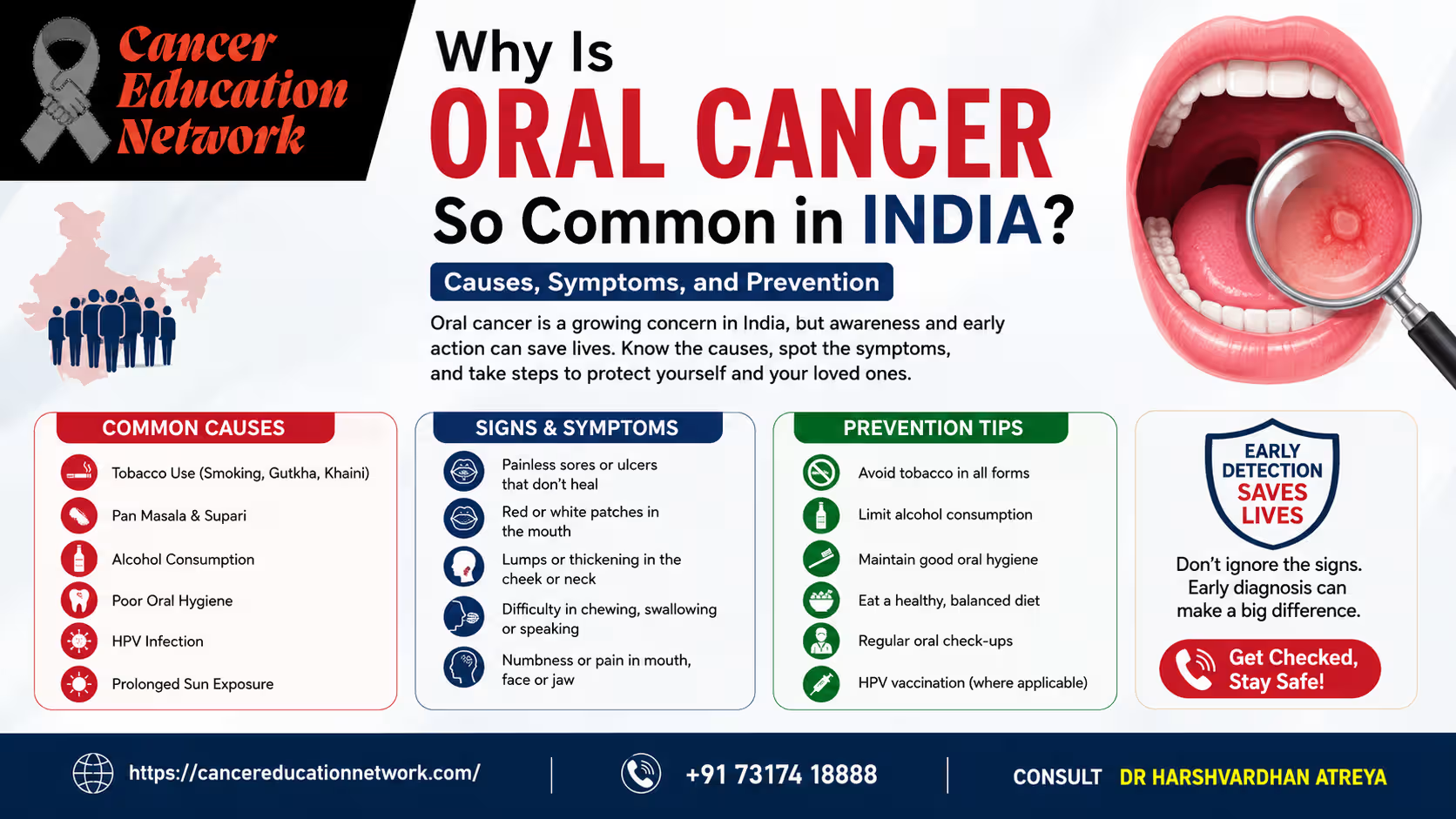
Oral cancer is common in India primarily due to the widespread use of tobacco (especially smokeless forms like gutkha and khaini), betel nut chewing, heavy alcohol consumption, and poor oral hygiene. Additionally, delayed diagnosis due to a lack of awareness and rural healthcare gaps contributes to high mortality rates.
What Is Oral Cancer?
Definition of Oral Cancer
Oral cancer, also known as mouth cancer, belongs to a larger group of cancers called head and neck cancers. It occurs when cells in the mouth—on the lips, tongue, or gums—develop mutations in their DNA. These mutations tell the cells to grow and divide uncontrollably, forming a tumor. Over time, these cancerous cells can spread to other parts of the head, neck, and the rest of the body.
Areas of the Mouth Commonly Affected
Oral cancer can develop in several locations, including:
- The Tongue: Particularly the sides and the base of the tongue.
- The Cheeks: Known as the buccal mucosa (the inner lining of the cheeks).
- The Lips: Most common in those with high sun exposure.
- The Gums: Often mistaken for gum disease initially.
- The Floor of the Mouth: The area beneath the tongue.
- The Hard and Soft Palate: The roof of the mouth.

How Oral Cancer Develops
The process usually begins in the flat, thin squamous cells that line your lips and the inside of your mouth. This is why most oral cancers are classified as Squamous Cell Carcinomas (SCC). Before turning into cancer, cells may show “precancerous” changes, such as white patches (leukoplakia) or red patches (erythroplakia).
Why Early Diagnosis Matters
When caught in Stage I or II, the survival rate for oral cancer is significantly higher, often exceeding 80–90%. However, in India, nearly 60–80% of patients present at advanced stages (Stage III or IV), where treatment becomes more complex and the prognosis less favorable. Regular screenings by an Oral Cancer Specialist in Lucknow or your local city are vital for high-risk individuals.
Why Is Oral Cancer So Common in India?
The prevalence of oral cancer in India is unique compared to Western nations. While smoking is a global issue, India faces a specific set of challenges.
High Tobacco Consumption
Tobacco is the leading cause of oral cancer globally, but India’s consumption patterns are diverse. While cigarettes and bidis are common, the sheer volume of tobacco users in India—estimated at over 260 million adults—creates a massive high-risk population.
Smokeless Tobacco Products (SLT)
The primary reason for the Indian oral cancer epidemic is the widespread use of smokeless tobacco. Products like Khaini, Zarda, and Mawa are used by millions. Unlike smoking, where the smoke is inhaled, these products are placed directly against the lining of the mouth (the buccal mucosa) for long periods. This constant chemical irritation leads to cellular changes and eventually malignancy.
Gutkha and Pan Masala Use
Gutkha—a mixture of tobacco, crushed areca nut (betel nut), lime, and sweetening agents—is particularly dangerous. Despite various state bans, it remains easily accessible. The abrasive nature of the areca nut causes tiny tears in the mouth lining, allowing the carcinogenic tobacco chemicals to enter the bloodstream more easily.
Betel Nut (Supari) Chewing
Even without tobacco, the betel nut itself is classified as a Group 1 carcinogen by the International Agency for Research on Cancer (IARC). It causes Oral Submucous Fibrosis (OSMF), a precancerous condition that makes the mouth lining stiff and eventually leads to cancer.
Alcohol Consumption
In India, the combination of alcohol and tobacco is a “deadly duo.” Alcohol acts as a solvent, making the mouth’s tissues more permeable to the cancer-causing chemicals in tobacco. Those who both drink and chew tobacco are at a significantly higher risk than those who do only one.
Poor Oral Hygiene
Chronic irritation from jagged teeth, ill-fitting dentures, or general neglect of oral hygiene can cause persistent inflammation. While not a direct cause on its own, poor oral health combined with tobacco use accelerates cancer development.
Delayed Medical Consultation
In many parts of India, a mouth ulcer is often dismissed as a “heat boil” or a nutritional deficiency. Patients often try home remedies or visit local chemists instead of seeking an Oral Cancer Specialist in Lucknow. This delay allows the cancer to progress to an advanced stage.
Lack of Awareness
There is a significant gap in knowledge regarding the “precancerous” stages. Many people do not realize that a painless white patch or a slight restriction in opening the mouth (OSMF) is a warning sign that requires immediate medical attention.
Major Causes and Risk Factors of Oral Cancer
Understanding the risk factors is the first step toward prevention. While lifestyle choices are the primary drivers, other factors also play a role.
| Risk Factor | Risk Level | Preventable? |
| Tobacco (Smoking/Smokeless) | Extremely High | Yes (Quit now) |
| Gutkha & Pan Masala | Extremely High | Yes (100% Preventable) |
| Alcohol Consumption | High | Yes (Limit or Avoid) |
| HPV (Human Papillomavirus) | Moderate | Partially (Vaccination/Safe sex) |
| Poor Oral Hygiene | Moderate | Yes (Regular cleaning) |
| Family History | Low | No |
| Chronic Irritation (Jagged teeth) | Moderate | Yes (Dental care) |
HPV Infection
The Human Papillomavirus (HPV), particularly strain 16, is increasingly linked to cancers of the base of the tongue and tonsils. This is becoming more common in younger populations who may not even be tobacco users.
Nutritional Deficiencies
A diet low in fruits and vegetables means a lack of antioxidants that help protect cells from damage. In many Indian households, malnutrition or a diet lacking in Vitamin A and C can increase susceptibility to oral lesions.
Early Symptoms of Oral Cancer You Should Never Ignore
Early detection saves lives. If you notice any of the following symptoms lasting for more than two weeks, you must consult a specialist.
1. Non-Healing Mouth Ulcer
This is the most common sign. A typical mouth ulcer heals in 7–10 days. If you have a sore or ulcer that does not heal after 14 days, it is a major red flag.
2. White or Red Patches
- Leukoplakia: Persistent white patches that cannot be scraped off.
- Erythroplakia: Bright red, velvety patches. These have a much higher risk of being cancerous than white patches.
3. Persistent Mouth Pain
Unexplained pain in the mouth or ear that doesn’t go away is a cause for concern.
4. Difficulty Swallowing (Dysphagia)
Feeling like food is stuck in your throat, or experiencing pain while chewing or swallowing.
5. Jaw Stiffness
Difficulty moving the jaw or tongue, often caused by the stiffening of tissues (Oral Submucous Fibrosis).
6. Loose Teeth
Teeth that become loose without any clear dental reason (like gum disease or trauma) may indicate a tumor in the jawbone.
7. Change in Voice
A persistent hoarseness or a change in the way you speak can indicate a tumor at the back of the mouth or throat.
8. Neck Swelling
A lump in the neck that is painless but growing might be a sign that oral cancer has spread to the lymph nodes.

Oral Cancer Warning Signs: When Should You See a Doctor?
If you are a tobacco user or have been one in the past, you should be hyper-vigilant. Dr Harshvardhan Atreya, a Best Oral Cancer Specialist in Lucknow, emphasizes that “pain is often a late symptom of cancer. Most early-stage oral cancers are painless.”
Action Guide:
- Check: Perform a self-exam in front of a mirror once a month.
- Observe: Look for color changes (red/white), lumps, or sores.
- Track: If you find a sore, wait 10 days. If it stays, note it down.
- Consult: If the symptom persists beyond 2 weeks, book an appointment with an oncologist or a specialized dentist immediately.
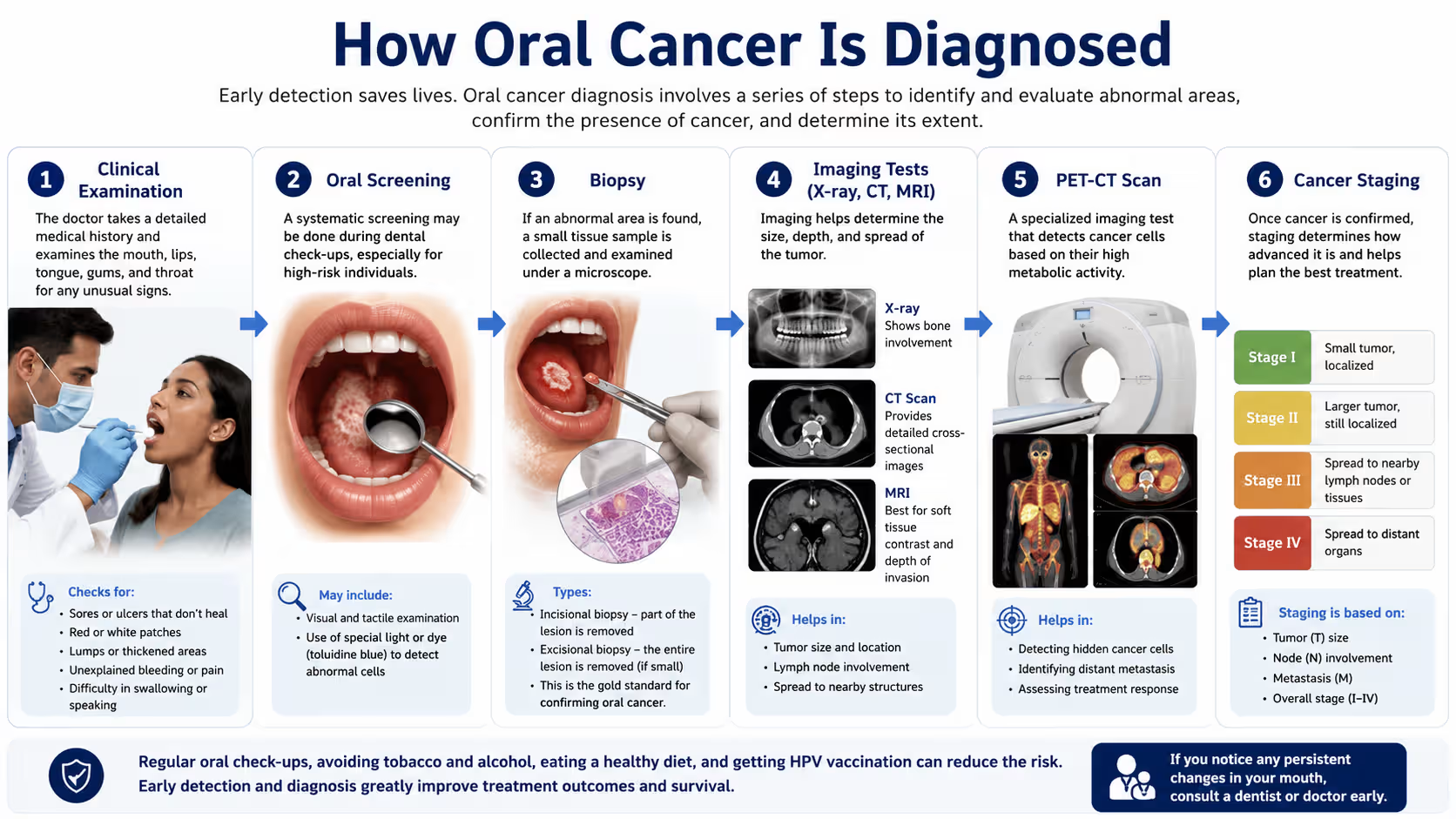
How Oral Cancer Is Diagnosed
The diagnostic journey is straightforward but requires expert precision.
- Clinical Examination: The doctor physically examines the mouth, feeling for lumps and checking all oral tissues.
- Oral Screening: Using special lights or dyes to highlight abnormal tissues.
- Biopsy: This is the gold standard. A small piece of tissue is removed and examined under a microscope to confirm the presence of cancer cells.
- Imaging Tests (X-ray, CT, MRI): These help the doctor see if the cancer has spread to the jaw or other parts of the head and neck.
- PET-CT Scan: Used primarily for staging, to see if the cancer has spread to distant organs.
- Cancer Staging: Staging (from Stage I to IV) helps determine the best treatment plan.
Treatment Options for Oral Cancer
Treatment is personalized based on the location, stage, and the patient’s overall health.
Surgery
This is usually the primary treatment for oral cancer. It involves removing the tumor and some healthy tissue around it (margin). In some cases, lymph nodes in the neck are also removed (Neck Dissection).
Radiation Therapy
Using high-energy X-rays to kill cancer cells. It is often used after surgery to ensure no microscopic cancer cells remain.
Chemotherapy
Using powerful drugs to kill cancer cells throughout the body. In India, chemotherapy is often used in combination with radiation (chemoradiation) for advanced stages.
Targeted Therapy
These drugs target specific proteins that help cancer cells grow. For example, Cetuximab is a common drug used for head and neck cancers.
Immunotherapy
A newer form of treatment that helps your own immune system recognize and attack cancer cells. This is usually reserved for advanced or recurrent oral cancer.
Rehabilitation After Treatment
After surgery, patients may need help with speech therapy, dietary counseling, and reconstructive surgery to restore the appearance and function of the mouth.
Can Oral Cancer Be Prevented?
While no cancer is 100% preventable, the risk of oral cancer can be reduced by up to 90% through lifestyle changes.
1. Quit Tobacco Completely
Whether it is cigarettes, bidis, or smokeless tobacco like khaini, quitting is the single most effective way to prevent oral cancer. Within five years of quitting, the risk of oral cancer drops by half.
2. Avoid Gutkha and Pan Masala
These are the primary drivers of the Indian epidemic. Stopping the use of areca nut and flavored tobacco products is essential.
3. Limit Alcohol Intake
Moderation is key. If you use tobacco, avoiding alcohol is even more critical to prevent the “synergistic effect” that causes cancer.
4. Maintain Good Oral Hygiene
Brush and floss daily. Visit a dentist regularly to fix sharp teeth or ill-fitting dentures that might irritate the mouth lining.
5. Healthy Diet
Eat a diet rich in antioxidants—leafy greens, citrus fruits, carrots, and tomatoes. These help repair damaged DNA in your cells.
Oral Cancer Awareness in India: Why Early Detection Saves Lives
The survival rate for oral cancer in India remains low not because the cancer is untreatable, but because it is caught too late. Awareness campaigns in both rural and urban areas are necessary to teach people that a “simple mouth ulcer” could be something more serious.
Experts like Dr Harshvardhan Atreya are working to bridge the gap between awareness and treatment. Early cancer screening programs are vital for those in high-risk professions (like transport workers or laborers) where tobacco use is high. Remember, early detection doesn’t just save your life; it saves your ability to speak, eat, and live normally.
Common Myths and Facts About Oral Cancer
Myth 1: Only Smokers Get Oral Cancer.
- Fact: In India, smokeless tobacco (chewing) causes more oral cancers than smoking. Even non-users can get it due to HPV or genetic factors.
Myth 2: Mouth Ulcers Are Always Harmless.
- Fact: While most are harmless, an ulcer that doesn’t heal in two weeks is a primary symptom of oral cancer.
Myth 3: Oral Cancer Occurs Only in Older People.
- Fact: Due to the early start of tobacco use and HPV, oral cancer is increasingly being diagnosed in Indians in their 20s and 30s.
Myth 4: If There Is No Pain, There Is No Cancer.
- Fact: Early-stage oral cancer is almost always painless. Pain usually starts when the tumor is advanced or starts pressing on nerves.
Myth 5: Oral Cancer Cannot Be Prevented.
- Fact: By eliminating tobacco and betel nut use, the majority of oral cancer cases in India could be prevented entirely.
When Should You Consult an Oral Cancer Specialist?
You should not wait for pain or significant discomfort to seek help. If you reside in Uttar Pradesh or nearby regions, consulting a specialist who understands the local context of tobacco use is crucial.
Consult an Oral Cancer Specialist in Lucknow, like Dr Harshvardhan Atreya, if you notice:
- Red or white patches that don’t go away.
- A lump in the mouth or neck.
- Difficulty opening your mouth fully.
- A persistent “sore throat” feeling.
- Any oral lesion if you have a history of gutkha or tobacco use.
Final Thoughts
The high prevalence of oral cancer in India is a significant challenge, but it is one we can overcome. By addressing the root causes—primarily tobacco and gutkha—and promoting early detection, we can save thousands of lives.
Oral cancer is one of the most preventable and, if caught early, one of the most treatable cancers. Do not ignore the subtle signs your body gives you. Timely diagnosis significantly improves outcomes, reduces the intensity of treatment, and ensures a better quality of life.
FAQs
1. Why is oral cancer so common in India?
The primary reason is to the high consumption of smokeless tobacco (khaini, gutkha), betel nut chewing, and a lack of awareness regarding early symptoms, leading to late-stage diagnosis.
2. What is the first symptom of oral cancer?
The most common first symptom is a persistent mouth ulcer that does not heal within two weeks, or the appearance of a white or red patch in the mouth.
3. Can oral cancer be cured completely?
Yes, if detected in the early stages (Stage I or II), oral cancer has a very high cure rate. Advanced stages are more difficult to treat but can be managed with modern therapies.
4. Is gutkha the main cause of oral cancer?
In India, gutkha is a leading cause because it combines tobacco and areca nut, both of which are potent carcinogens that irritate the oral lining.
5. Can non-smokers get oral cancer?
Yes. Non-smokers can develop oral cancer due to chewing tobacco, betel nut, HPV infection, poor oral hygiene, or genetic predispositions.
6. How is oral cancer diagnosed?
Diagnosis involves a physical examination followed by a biopsy, where a tissue sample is tested for cancer cells. Imaging like CT or MRI may be used for staging.
7. What are the warning signs of oral cancer?
Warning signs include non-healing sores, lumps in the mouth or neck, difficulty swallowing, white/red patches, and unexplained loosening of teeth.
8. Can oral cancer be prevented?
Yes, by quitting tobacco and gutkha, limiting alcohol, maintaining dental hygiene, and eating a healthy diet, you can significantly reduce your risk..
CTA
Oral cancer often develops silently, but early diagnosis can make treatment more effective and improve outcomes significantly. Any mouth ulcer, white patch, or persistent oral symptom that does not heal within two weeks should be evaluated by a specialist.
For expert evaluation, cancer screening, and personalized treatment guidance, consult Dr Harshvardhan Atreya, a trusted Cancer Specialist in Lucknow. Your health is your most valuable asset—don’t delay your screening.