

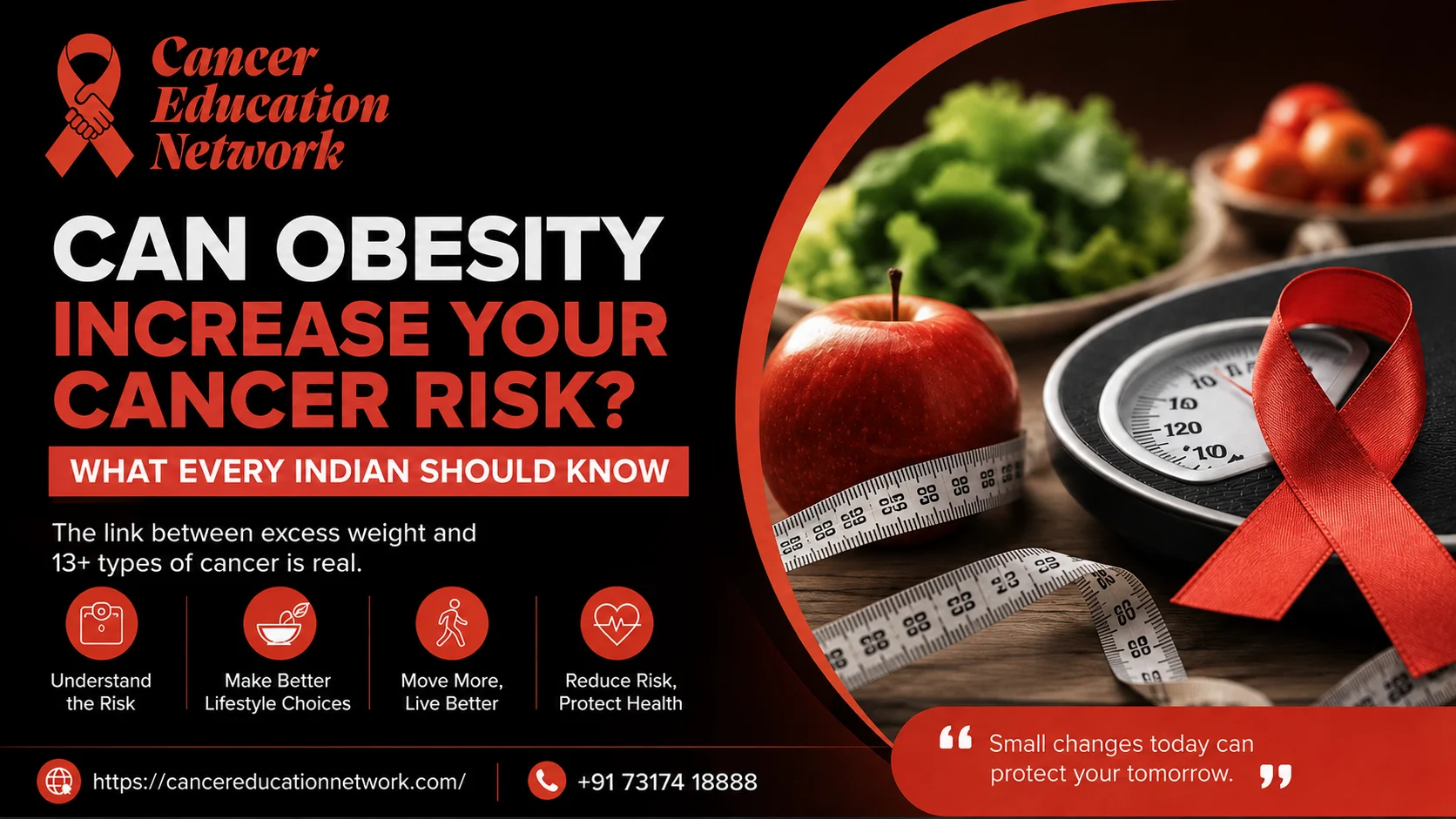

Obesity is often discussed in relation to diabetes, high blood pressure, and heart disease. However, many people are unaware that excess body weight is also linked to an increased risk of several types of cancer. As awareness about cancer prevention grows, understanding this connection has become more important than ever.
According to leading global health organizations, obesity is now the second leading preventable cause of cancer after tobacco use. While not every person with obesity develops cancer, maintaining a healthy weight is one of the most effective lifestyle changes you can make to lower your overall cancer risk.
If you are looking for guidance on cancer prevention or screening, consulting an experienced Cancer Specialist in Lucknow, such as Dr. Harshvardhan Atreya, can help you understand your personal risk factors and develop a preventive healthcare plan.
What Does the Research Say About Obesity and Cancer?
Scientific research has consistently shown that excess body fat increases the risk of developing multiple cancers. The World Health Organization (WHO) and several international cancer research organizations recognize obesity as a major preventable cancer risk factor.
Studies suggest that maintaining a healthy body weight can significantly reduce the likelihood of developing certain cancers and improve overall health.
Types of Cancer Associated with Obesity
Research has linked obesity with an increased risk of at least 13 different types of cancer, including:
| Cancer Type | Risk Associated with Obesity |
|---|---|
| Breast Cancer (Post-Menopausal) | High |
| Colorectal Cancer | High |
| Endometrial (Uterine) Cancer | High |
| Kidney Cancer | Increased |
| Liver Cancer | Increased |
| Pancreatic Cancer | Increased |
| Gallbladder Cancer | Increased |
| Oesophageal Cancer | Increased |
| Stomach Cancer | Increased |
| Ovarian Cancer | Increased |
| Thyroid Cancer | Increased |
| Multiple Myeloma | Increased |
| Meningioma | Increased |
Although obesity increases the risk, it does not guarantee that a person will develop cancer. Similarly, people with a healthy weight can also develop cancer due to genetics, environmental factors, infections, or other causes.
Why Is This Especially Important for Indians?
Many Indians assume they are healthy because they appear slim. However, research has shown that Indians tend to accumulate visceral fat—fat stored around internal organs—even at relatively normal Body Mass Index (BMI) levels.
This hidden fat increases the risk of:
- Insulin resistance
- Diabetes
- Heart disease
- Fatty liver disease
- Several obesity-related cancers
This means that even individuals who do not appear overweight should pay attention to their waist circumference, lifestyle, and metabolic health.

How Does Obesity Increase Cancer Risk?
Excess body fat affects the body in several ways that may promote cancer development.
1. Higher Hormone Levels
Fat tissue produces hormones such as estrogen, which may encourage the growth of hormone-sensitive cancers like breast and endometrial cancer.
2. Increased Insulin Levels
Obesity often leads to insulin resistance. Elevated insulin and insulin-like growth factors may stimulate abnormal cell growth.
3. Chronic Inflammation
Obesity causes long-term, low-grade inflammation throughout the body. Persistent inflammation can damage healthy cells and increase the chances of cancer development.
4. Reduced Immune Function
A healthy immune system helps identify and destroy abnormal cells before they become cancerous. Obesity may reduce the body’s natural defense mechanisms.
Obesity and Cancer Risk Pathway
Excess Body Fat
⬇
Higher Insulin & Estrogen Levels
⬇
Chronic Inflammation
⬇
Reduced Immune Surveillance
⬇
Abnormal Cell Growth
⬇
Higher Risk of Cancer
Lifestyle Changes Increasing Cancer Risk in India
Rapid urbanization has changed the way many Indians live and eat. Some common factors contributing to obesity and cancer risk include:
- Increased consumption of processed foods
- High sugar intake
- Frequent fast food meals
- Sedentary desk jobs
- Long screen time
- Lack of regular physical activity
- Poor sleep habits
- Chronic stress
These lifestyle changes have contributed to the increasing incidence of lifestyle-related cancers in India.
How Can You Reduce Your Cancer Risk?
The good news is that small, sustainable lifestyle changes can make a meaningful difference.
Stay Physically Active
You don’t need intense workouts every day.
Simple activities like:
- Walking for 30–45 minutes
- Taking the stairs
- Stretching regularly
- Reducing prolonged sitting
can help maintain a healthy weight and improve overall health.
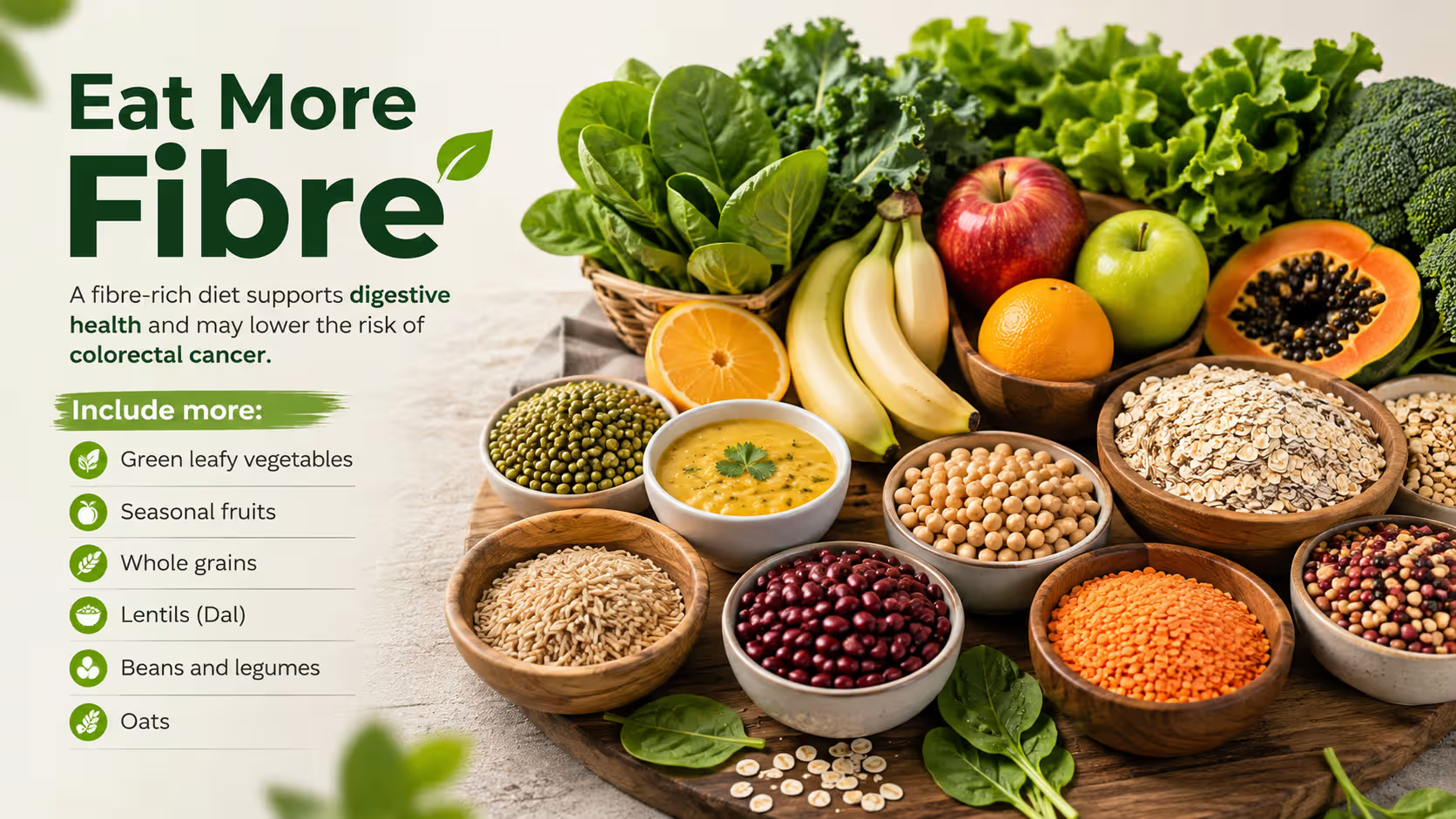
Eat More Fibre
A fibre-rich diet supports digestive health and may lower the risk of colorectal cancer.
Include more:
- Green leafy vegetables
- Seasonal fruits
- Whole grains
- Lentils (Dal)
- Beans and legumes
- Oats
Limit Processed Foods
Try to reduce consumption of:
- Processed meat
- Sugary beverages
- Packaged snacks
- Ultra-processed foods
- Refined carbohydrates
Replacing processed foods with fresh, home-cooked meals is a healthier long-term approach.
Maintain a Healthy Weight
Healthy weight management does not require crash diets or extreme exercise.
Focus on:
- Balanced nutrition
- Regular movement
- Adequate sleep
- Consistent healthy habits
Even modest weight loss can improve metabolic health.
Common Myths About Obesity and Cancer
Many people believe that obesity only affects appearance or causes diabetes and heart disease. However, research has shown that excess body weight can also increase the risk of several types of cancer. Let’s separate the facts from the myths.
Myth 1: Only People with Severe Obesity Are at Risk of Cancer
Fact: Even being moderately overweight can increase the risk of cancers such as breast, colorectal, kidney, liver, and endometrial cancer.
Reality: Extra body fat can trigger chronic inflammation, hormone imbalances, and insulin resistance, all of which may contribute to cancer development.
Myth 2: Losing Weight After Years of Obesity Won’t Make a Difference
Fact: Weight loss at any stage can help lower cancer risk and improve overall health.
Reality: Reducing excess body fat decreases inflammation and improves hormone balance, which may reduce the chances of developing obesity-related cancers.
Myth 3: Obesity-Related Cancer Is a Problem Only for Older Adults
Fact: Rising obesity rates are leading to an increase in obesity-related cancers among younger adults as well.
Reality: An unhealthy lifestyle, processed foods, and lack of physical activity are putting people of all age groups at greater risk.
Myth 4: A Normal BMI Means You Don’t Need to Worry About Cancer
Fact: Having a healthy BMI lowers risk, but it does not guarantee protection from cancer.
Reality: Factors such as family history, smoking, alcohol use, diet, physical activity, and regular cancer screening also play an important role.
Myth 5: Obesity Always Leads to Cancer
Fact: Not every person with obesity will develop cancer.
Reality: Cancer develops due to a combination of factors, including genetics, lifestyle, environmental exposure, and overall health. Obesity is an important risk factor—but it is not the only one.
Key Takeaway
Maintaining a healthy weight through a balanced diet, regular exercise, and routine medical check-ups can significantly reduce the risk of obesity-related cancers. If you have concerns about your weight or family history of cancer, consult an experienced cancer specialist for personalized advice.
Warning Signs That Need Medical Attention
- Unexplained weight loss
- Blood in stool or urine
- Persistent cough
- Lump anywhere in the body
- Difficulty swallowing
- Abnormal bleeding
- Persistent abdominal pain
- Changes in bowel habits
- Extreme fatigue
CTA: If you notice any of these symptoms, consult a Cancer Specialist in Lucknow without delay.
What Is BMI and Why Does It Matter for Cancer Risk?
Body Mass Index (BMI) is a simple calculation that compares your weight to your height. It is commonly used to determine whether a person is underweight, at a healthy weight, overweight, or obese.
| BMI | Category |
|---|---|
| Below 18.5 | Underweight |
| 18.5–22.9 | Healthy (Asian Indians) |
| 23–24.9 | Overweight |
| 25 and above | Obese |
When Should You Consult a Cancer Specialist?
Consult a Cancer Specialist in Lucknow if you experience:
- Unexplained weight loss
- Persistent fatigue
- Blood in stool
- A lump in the breast or any other body part
- Difficulty swallowing
- Persistent abdominal pain
- Abnormal bleeding
- A strong family history of cancer
Early evaluation can lead to timely diagnosis and better treatment outcomes.
Meet Dr. Harshvardhan Atreya – Cancer Specialist in Lucknow
Dr. Harshvardhan Atreya is an experienced Oncologist in Lucknow dedicated to the prevention, early detection, diagnosis, and treatment of various cancers. He believes that awareness and timely screening play a crucial role in improving patient outcomes.
Whether you are concerned about obesity-related cancer risks, have a family history of cancer, or want expert guidance on cancer prevention, Dr. Harshvardhan Atreya can help you make informed healthcare decisions.
Conclusion
Obesity is not just a cosmetic concern—it is a significant health issue that can increase the risk of several cancers. While cancer has many causes, maintaining a healthy weight, eating a balanced diet, staying physically active, and attending regular health check-ups can help reduce your overall risk.
Remember, prevention begins with awareness. Small lifestyle changes today can contribute to better health tomorrow.
Frequently Asked Questions (FAQs)
1. Can obesity really increase the risk of cancer?
Yes. Research has linked obesity with an increased risk of at least 13 types of cancer, including breast, colorectal, kidney, liver, and pancreatic cancers.
2. Does losing weight reduce cancer risk?
Maintaining a healthy weight can lower the risk of several obesity-related cancers, although it cannot eliminate the risk completely.
3. Can slim people also develop obesity-related health problems?
Yes. Many Indians have excess visceral fat despite having a normal BMI, which can increase metabolic and cancer risk.
4. Which cancers are most strongly linked to obesity?
Breast (post-menopausal), colorectal, endometrial, kidney, liver, pancreatic, oesophageal, gallbladder, and stomach cancers are among those most strongly associated.
5. When should I consult a Cancer Specialist in Lucknow?
If you have persistent symptoms, unexplained weight loss, a family history of cancer, or concerns about your cancer risk, consult an experienced cancer specialist for evaluation and guidance.
Concerned About Your Cancer Risk?
If you have obesity, diabetes, a family history of cancer, or persistent symptoms, don’t ignore the warning signs. Early consultation and timely screening can make a significant difference.
Book an appointment with Dr. Harshvardhan Atreya, Cancer Specialist in Lucknow, for personalized cancer risk assessment, screening guidance, and expert care.