






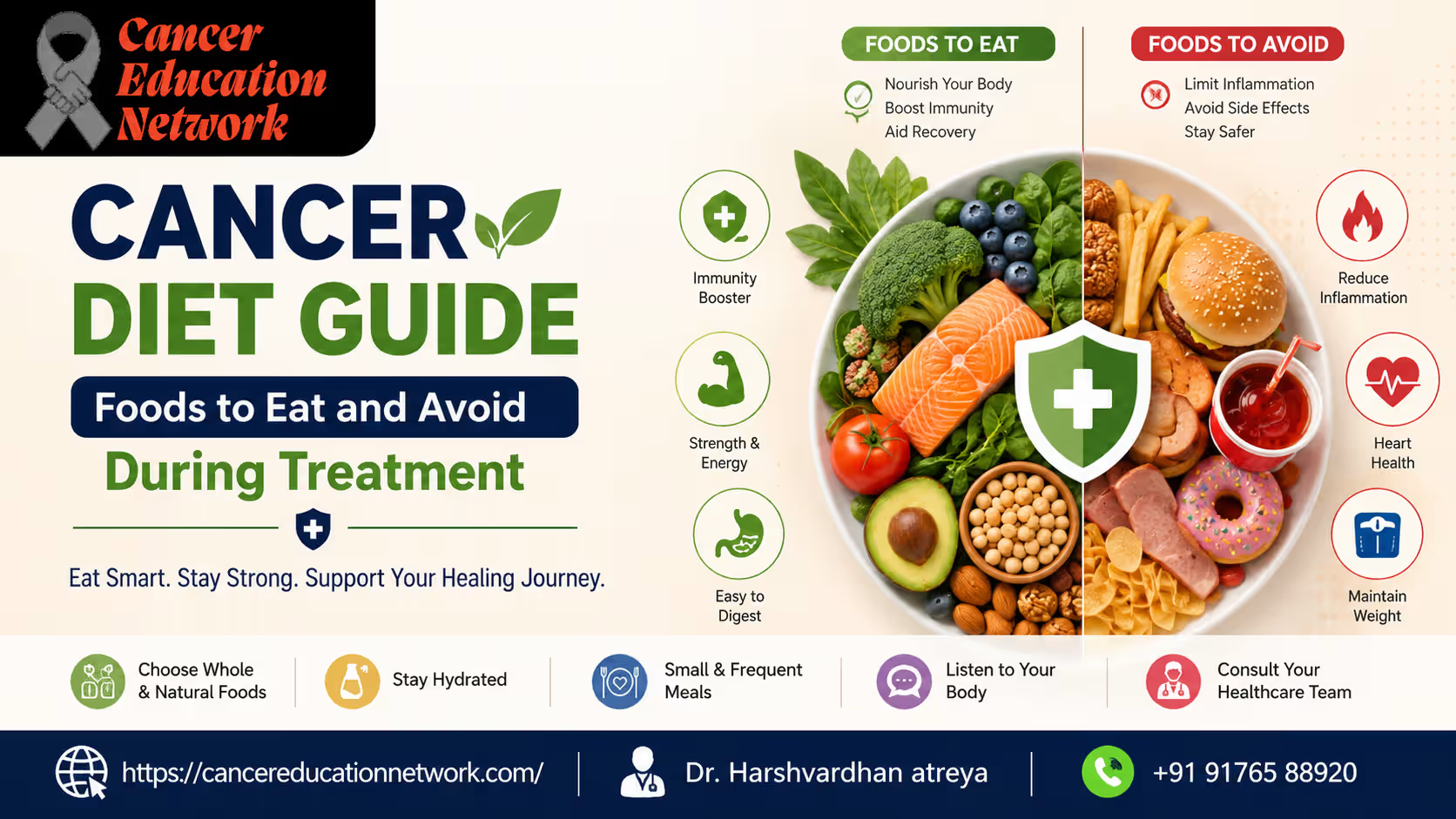
When a person is diagnosed with cancer, the focus immediately shifts to medical treatments like chemotherapy, radiation, or surgery. However, as an oncology specialist, I often tell my patients that medical treatment is only one half of the recovery equation. The other half is how you fuel your body. Proper nutrition is the foundation upon which healing is built.
A cancer diet guide focuses on balanced nutrition, hydration, protein-rich foods, and safe eating habits that may help patients maintain strength, support immunity, and manage treatment-related side effects during chemotherapy, radiation, or recovery.
Navigating nutrition during this time can feel overwhelming. You may face a loss of appetite, changes in taste, or extreme fatigue that makes even the simplest meal feel like a chore. As Dr. Harshvardhan Atreya, a cancer doctor in Lucknow, I have walked this journey with many patients and caregivers. My goal with this guide is to provide a practical, science-backed roadmap to help you maintain your strength, protect your immune system, and improve your quality of life during and after treatment.
Why Nutrition Matters During Cancer Treatment
Nutrition isn’t just about “eating healthy”; during cancer treatment, it becomes a strategic tool for recovery. Your body is under significant stress—both from the disease itself and the intensive therapies used to treat it.
1. Supporting Immunity
Cancer treatments, particularly chemotherapy, can lower your white blood cell count, making you more susceptible to infections. A nutrient-dense diet rich in vitamins and minerals acts as a secondary defense system, helping your body repair tissues and fight off opportunistic pathogens.
2. Maintaining Muscle Mass and Strength
One of the biggest risks during treatment is “cachexia” or muscle wasting. When the body doesn’t get enough calories or protein, it begins to break down muscle for energy. Maintaining muscle mass is crucial for your ability to tolerate treatment dosages and remain mobile.
3. Healing and Tissue Repair
Surgery and radiation cause localized damage to healthy cells alongside the cancerous ones. Protein and specific micronutrients are the “building blocks” required to repair these tissues. Without them, recovery times lengthen, and the risk of complications increases.
4. Managing Energy Levels
Fatigue is the most common side effect reported by cancer patients. While rest is essential, the type of “fuel” you put in your body determines your baseline energy. Stable blood sugar through complex carbohydrates prevents the “crashing” sensation often felt after sugary snacks.
5. Hydration
Chemotherapy drugs and certain radiations are processed through the kidneys and liver. Staying hydrated helps flush these toxins out of your system more efficiently, reducing the risk of kidney strain and preventing common issues like constipation and skin dryness.
Common Eating Challenges Faced by Cancer Patients
Understanding the “what” to eat is easy, but the “how” can be difficult when side effects interfere. Recognizing these challenges is the first step toward overcoming them.
- Nausea and Vomiting: Many chemotherapy agents trigger the brain’s nausea center. This can make the very smell of food repulsive.
- Mouth Sores (Mucositis): Radiation to the head and neck or certain chemos can cause painful sores in the mouth and throat, making swallowing firm or acidic foods nearly impossible.
- Taste Changes: Patients often describe a “metallic” taste in their mouth or find that their favorite foods now taste bland or bitter.
- Appetite Loss: The physical stress of the illness and the emotional weight of the diagnosis can lead to a total loss of the desire to eat.
- Early Satiety: Feeling “full” after just two or three bites is common, often due to changes in digestion or the pressure of a tumor.
- Fatigue: Sometimes, a patient is simply too tired to chew or sit up for a full meal.
In my practice as a Best cancer specialist in Lucknow, I emphasize to caregivers that these challenges are physical, not psychological. Patience and flexibility in meal planning are vital.
Best Foods vs. Foods to Avoid During Cancer Treatment
To make decisions easier during grocery shopping, here is a quick-reference comparison chart.
| Foods to Eat | Why They Help | Foods to Limit/Avoid |
| Lean Proteins (Eggs, Lentils, Fish) | Muscle repair & immune function | Processed Meats (Sausages, Salami) |
| Soft Fruits (Bananas, Melons) | Easy to swallow & high in potassium | Unwashed Raw Veggies (Risk of infection) |
| Whole Grains (Oats, Brown Rice) | Sustained energy & fiber | Sugary Sodas (Empty calories, spikes sugar) |
| Healthy Fats (Avocado, Olive Oil) | High-calorie density for weight | Deep-Fried Junk Food (Hard to digest/nausea) |
| Cooked Vegetables | Easier on the gut than raw | Alcohol (Interferes with meds/dehydrates) |
| Probiotics (Fresh Yogurt) | Gut health & immunity | Unpasteurized Dairy (High bacterial risk) |
Note: This chart serves as a general guideline. Individual needs vary based on the type of cancer and the specific treatment protocol prescribed by your oncologist.
Step-by-Step: How Cancer Patients Can Build a Healthy Daily Diet
Building a cancer diet guide into your daily routine doesn’t happen overnight. It requires a structured approach to ensure you are meeting your caloric and nutritional needs without feeling overwhelmed.
Step 1: Focus on Small Frequent Meals
Instead of three large meals, aim for 6 to 8 small “mini-meals.” This is easier on the digestive system and helps manage nausea. Even a few bites every two hours can add up to the calories needed for the day.
Step 2: Prioritize Protein Intake
Protein is non-negotiable. Every meal or snack should have a protein component. If you are struggling with meat, look toward plant-based proteins like dal, tofu, or nut butters. Protein shakes are also an excellent supplement when solid food is difficult.
Step 3: Stay Hydrated Throughout the Day
Don’t wait until you are thirsty. Sip on water, coconut water, or clear broths throughout the day. Avoid drinking too much during a meal, as this can make you feel full too quickly; instead, drink 30 minutes before or after eating.
Step 4: Add Soft & Easy-to-Digest Foods
When your energy is low, your body shouldn’t have to work hard to digest food. Pureed soups, mashes (like mashed potatoes or boiled pumpkin), and smoothies are excellent ways to get nutrition without the physical effort of heavy chewing.
Step 5: Include Fruits and Vegetables Carefully
While “raw is better” is a common health myth, for cancer patients, cooked is often safer. Steaming vegetables makes them easier to digest and kills potential bacteria. Focus on colorful produce like carrots, spinach, and beets for their antioxidant properties.
Step 6: Avoid Unsafe or Contaminated Foods
During treatment, your immune system is “neutropenic” (low white blood cells). Avoid street food, unpasteurized milk, or undercooked eggs. Food safety is just as important as food quality.
Step 7: Follow Personalized Medical Advice
Every body reacts differently. What works for one patient might not work for another. Always keep a food diary and share it with your oncology team during your visits.
Best Foods to Eat During Chemotherapy

Chemotherapy can be taxing, but choosing the right “comfort” foods can make the days following a session much more manageable.
- Eggs: They are the “gold standard” for protein. They are easy to prepare, soft, and contain choline, which supports brain health.
- Yogurt (Dahi): Fresh, homemade yogurt is a probiotic powerhouse. It helps maintain gut flora, which is often disrupted by antibiotics or chemo drugs.
- Oats and Porridge: These provide soluble fiber, which helps regulate bowel movements and provides a steady stream of energy.
- Ginger and Peppermint: While not “meals,” adding ginger to tea or sucking on peppermint can significantly reduce chemo-induced nausea.
- Smoothies: A blend of spinach, a banana, a spoonful of peanut butter, and some milk (or almond milk) is a complete meal in a glass.
- Clear Broths: Chicken or vegetable broth provides essential electrolytes and hydration when solid food feels impossible.
Foods That May Help Boost Immunity During Cancer Treatment
While no food can “cure” cancer, certain nutrients are essential for the production and function of immune cells.
- Zinc-Rich Foods: Found in pumpkin seeds, chickpeas, and lentils. Zinc is crucial for the development of signaling pathways in immune cells.
- Vitamin C: Beyond just citrus, look at bell peppers and amla (Indian gooseberry). Vitamin C helps protect cells from oxidative stress.
- Omega-3 Fatty Acids: Found in walnuts, flaxseeds, and fatty fish. These help reduce systemic inflammation, which can improve how you feel daily.
- Selenium: Found in Brazil nuts and certain grains, selenium plays a role in preventing cell damage.
A Note on Supplements: Always consult with your doctor before taking high-dose antioxidant supplements. Sometimes, high doses of certain vitamins can interfere with how chemotherapy works on cancer cells.
What Foods Should Cancer Patients Avoid?

In this cancer diet guide, knowing what to leave out is just as vital as knowing what to include.
- Heavily Processed Foods: These are often high in sodium and preservatives but low in actual nutrients. They can contribute to inflammation and sluggishness.
- Undercooked Meat and Raw Seafood: Foods like sushi or rare steaks carry a high risk of foodborne illness, which can be life-threatening for an immunocompromised patient.
- Excessive Refined Sugar: While the “sugar feeds cancer” debate is complex, we do know that high sugar intake leads to weight gain and insulin spikes, which are not ideal for recovery.
- Alcohol: Alcohol can irritate mouth sores and dehydrate the body. It also puts extra strain on the liver, which is already busy processing treatment drugs.
- Excessively Spicy or Acidic Foods: If you have mouth sores or acid reflux, avoid chili, lime, and vinegar, as these will cause significant pain and discomfort.
What to Eat When Cancer Patients Have No Appetite

Loss of appetite (anorexia) is a major hurdle. When eating feels like a chore, we focus on Nutrient Density.
- Calorie-Dense Additions: Add a tablespoon of ghee, olive oil, or butter to soups and dals. It increases calories without increasing the volume of food.
- Liquid Nutrition: If chewing is the problem, rely on high-protein milkshakes or commercially available nutritional supplements (as recommended by your doctor).
- The “Cold Food” Strategy: Sometimes the smell of hot food triggers nausea. Cold foods like chilled pasta salads, fruit bowls, or sandwiches often have less aroma and are easier to tolerate.
- Keep Snacks Within Reach: Don’t wait for mealtime. Keep a bowl of nuts, cheese crackers, or fruit slices next to the bed or sofa.
- Make it Visually Appealing: Use colorful vegetables and nice plating. We eat with our eyes first; a well-presented small plate is less intimidating than a large, bland one.
7-Day Meal Plan for Cancer Patients
This is a sample plan designed to be gentle on the stomach while providing high protein and energy.
| Day | Breakfast | Lunch | Evening Snack | Dinner |
| Mon | Oats with sliced banana | Rice, Moong Dal, and mashed carrots | Apple puree or baked apple | Vegetable soup with soft bread |
| Tue | Scrambled eggs on soft toast | Khichdi (rice & lentils) with curd | Handful of soaked almonds | Boiled chicken or Paneer stew |
| Wed | Poha with peanuts (well-cooked) | Roti (softened with ghee) & Lauki | Banana Smoothie | Mashed potatoes and grilled fish |
| Thu | Semolina (Upma) with veggies | Curd rice with a pinch of ginger | Cottage cheese (Paneer) cubes | Lentil soup (Shorba) & soft rice |
| Fri | Greek yogurt with honey | Stewed spinach and soft rice | Boiled egg | Clear chicken soup with noodles |
| Sat | Peanut butter on soft bread | Dalia (Broken wheat) with veggies | Coconut water & crackers | Pumpkin soup and sourdough |
| Sun | Fruit smoothie with protein powder | Small portion of Pasta in white sauce | Hummus with soft pita | Moong dal chilla (pancake) |
Caregiver Tip: Always ensure the food is served at room temperature if the patient is sensitive to heat or cold.

Hydration Tips During Cancer Treatment
Dehydration can lead to fatigue, dizziness, and confusion. It can also cause a buildup of treatment byproducts in the body.
- Set a Timer: Drink a small glass of water every hour.
- Infused Water: If plain water tastes metallic, add slices of cucumber, mint, or lemon to change the flavor profile.
- Coconut Water: A natural source of electrolytes like potassium and magnesium, which are often lost during bouts of vomiting or diarrhea.
- Avoid Caffeine: Coffee and strong teas can act as diuretics, causing you to lose more fluid than you gain. Opt for herbal teas like chamomile or ginger tea.
Safe Food Handling: A Crucial Note for Caregivers
When a patient’s immune system is compromised, a simple case of food poisoning can become a medical emergency.
- Wash Hands Constantly: Wash hands before preparing food and before eating.
- Separate Cutting Boards: Use one board for raw meats and another for fruits/vegetables.
- Check Expiry Dates: Be extra vigilant about the freshness of dairy and meat products.
- Avoid “Buffet” Style Food: Food that has been sitting out at room temperature for hours is a breeding ground for bacteria.
- Peel It or Cook It: For fruits and vegetables, if you can’t peel it, it’s safer to cook it.
When Should Cancer Patients Consult a Doctor or Dietitian?
While this cancer diet guide provides a foundation, clinical intervention is sometimes necessary. You should contact your oncologist or a clinical nutritionist if you experience:
- Rapid Weight Loss: Losing 2-3 kg in a single week without trying.
- Severe Dehydration: Signs include dark urine, extreme thirst, or dizziness.
- Inability to Swallow: If mouth sores or throat pain make eating impossible for more than 24 hours.
- Persistent Vomiting: If you cannot keep any liquids or food down for more than 12-15 hours.
- Extreme Constipation or Diarrhea: If over-the-counter remedies aren’t working.
Experts like Dr. Harshvardhan Atreya, recognized as a trusted Best Cancer specialist in Lucknow, can help patients understand safe nutrition planning and may prescribe appetite stimulants or specific clinical supplements to ensure you stay on track with your treatment.
Final Thoughts
A diagnosis of cancer is life-changing, but you are not powerless. What you choose to eat is one of the few things you can control during this journey. Remember that the goal of a cancer diet guide isn’t perfection—it’s persistence. Some days you will eat well; other days, a few crackers and a glass of water might be all you can manage. That is okay.
Focus on:
- Protein for repair.
- Hydration for detoxification.
- Small meals for energy.
- Safety to prevent infection.
Every small bite is a step toward your recovery. Consulting experienced experts like Dr. Harshvardhan Atreya in Lucknow may help you better understand supportive nutrition tailored to your specific diagnosis and treatment plan.
FAQs (Frequently Asked Questions)
1. What are the best foods to eat while on chemotherapy?
The best foods include high-protein options like eggs, fish, and lentils, along with easy-to-digest carbohydrates like oats, rice, and bananas. Smoothies and pureed soups are also excellent for days when chewing is difficult.
2. What foods help boost immunity during chemo?
Focus on foods rich in Vitamin C (citrus, bell peppers), Zinc (seeds, legumes), and Protein. Probiotics like fresh yogurt can also support gut health, which is a major part of the immune system.
3. What foods are good for cancer patients with no appetite?
When appetite is low, focus on calorie-dense foods. Add healthy fats like olive oil or ghee to meals, drink high-protein shakes, and eat small snacks like nut butters or cheese every 2 hours instead of large meals.
4. What are the 5 worst foods for cancer patients?
Generally, you should avoid: (1) Processed and charred meats, (2) Unpasteurized dairy or raw eggs, (3) Excessive refined sugar, (4) Alcohol, and (5) Highly spicy or acidic foods if you have mouth sores.
5. Can cancer patients eat fruits daily?
Yes, fruits are a great source of antioxidants and fiber. However, ensure they are washed thoroughly. If the patient has a very low white blood cell count, doctors may recommend only eating fruits that can be peeled (like bananas or oranges) to minimize bacterial risk.
6. How much protein do cancer patients need?
Protein needs increase during treatment to prevent muscle loss. While it varies, many patients need 1.2 to 1.5 grams of protein per kilogram of body weight. Consult your doctor for a personalized calculation.
7. Is hydration important during chemotherapy?
Absolutely. Hydration helps the kidneys process chemotherapy drugs and reduces side effects like fatigue and constipation. Aim for 8-10 glasses of fluid daily, including water, clear broth, and coconut water.
8. Should cancer patients follow a special meal plan?
While there is no “one-size-fits-all” diet, a structured meal plan helps ensure you get enough calories and nutrients. A plan focused on soft, protein-rich, and frequent small meals is usually most effective.
Proper nutrition plays an important supportive role during cancer treatment. Balanced meals, hydration, and safe eating habits may help patients maintain strength, energy, and recovery during challenging treatment phases.
Consult Dr. Harshvardhan Atreya, a trusted Cancer specialist in Lucknow, for personalized cancer care guidance and supportive treatment planning.