










Vomiting blood can be alarming. While it does not necessarily mean cancer, blood in vomit should never be ignored because it can indicate bleeding in the upper digestive tract.
The medical term for vomiting blood is hematemesis. The blood may look bright red, dark red, brown, or similar to coffee grounds. The appearance can vary depending on where the bleeding occurs and how long the blood has been exposed to stomach acid.
Common causes include stomach ulcers, gastritis, acid reflux-related irritation, tears in the esophagus after forceful vomiting, certain medicines, and liver-related conditions. Less commonly, bleeding can be associated with esophageal or stomach cancer.
Is Blood in Vomit a Sign of Esophageal Cancer?
Blood in vomit can be a symptom of esophageal cancer, but it is not proof of cancer. Many other conditions can cause gastrointestinal bleeding. However, if vomiting blood occurs with difficulty swallowing, unexplained weight loss, persistent heartburn, chest discomfort, chronic cough, or hoarseness, medical evaluation is especially important.
What Causes Blood in Vomit?
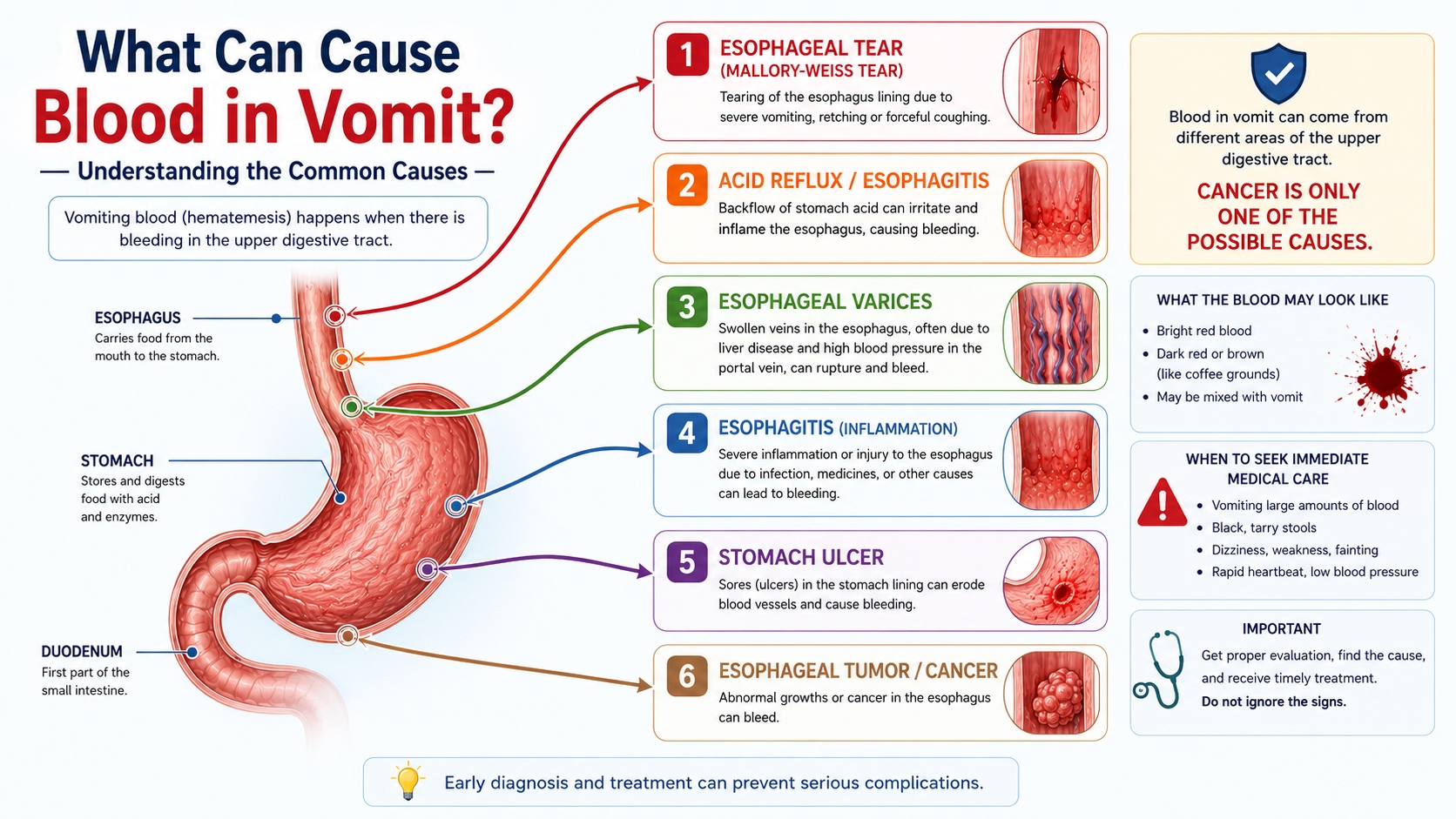
Blood in vomit generally means that bleeding is occurring somewhere in the upper gastrointestinal tract, which includes the esophagus, stomach, and the first part of the small intestine.
Some of the most common vomiting blood causes include:
1. Stomach or duodenal ulcers
Peptic ulcers can damage blood vessels in the digestive tract and cause bleeding. Depending on the severity, the bleeding may appear as fresh blood or dark, coffee-ground-like material.
2. Gastritis
Gastritis occurs when the stomach lining becomes inflamed. In some cases, inflammation and irritation can result in bleeding.
3. Severe or repeated vomiting
Forceful vomiting can injure the lining of the esophagus. A tear known as a Mallory-Weiss tear can develop and cause blood to appear in vomit.
4. Acid reflux and esophageal inflammation
Persistent acid reflux can irritate the esophagus. Severe inflammation or damage may contribute to bleeding.
5. Esophageal varices
People with certain forms of advanced liver disease can develop enlarged veins in the esophagus called esophageal varices. If these veins rupture, bleeding can be severe.
6. Medicines
Some medicines, including aspirin, non-steroidal anti-inflammatory drugs and blood-thinning medicines, can increase the risk of gastrointestinal bleeding.
7. Esophageal or stomach cancer
Cancer is a less common cause of vomiting blood, but tumors in the upper digestive tract can bleed. Esophageal cancer may cause blood in vomit or black, tarry stools when the cancer is bleeding.
Blood in Vomit: What Does It Look Like?
| Appearance of vomit | What it may indicate |
|---|---|
| Bright-red blood | May represent relatively fresh bleeding |
| Dark-red blood | Blood may have remained in the digestive tract for some time |
| Brown or coffee-ground material | Blood may have been altered by stomach acid |
| Blood mixed with food | Can occur with bleeding in the upper digestive tract |
Important: You cannot determine the cause of bleeding simply by looking at the vomit. Medical evaluation is necessary to identify the source.
Can Esophageal Cancer Cause Blood in Vomit?
Yes. Esophageal cancer can cause blood in vomit if the tumor bleeds. However, this symptom is not specific to cancer and is much more commonly associated with other gastrointestinal conditions.
Esophageal cancer develops in the tissues of the esophagus, the muscular tube that carries food and liquids from the mouth to the stomach. The two major types are squamous cell carcinoma and adenocarcinoma.
One challenge with esophageal cancer is that symptoms may not become obvious until the disease has progressed. The National Cancer Institute identifies difficulty or pain with swallowing and unexplained weight loss among important symptoms.
This is why persistent or unexplained digestive symptoms should not simply be dismissed as acidity or indigestion.
Esophageal Cancer Symptoms to Watch For
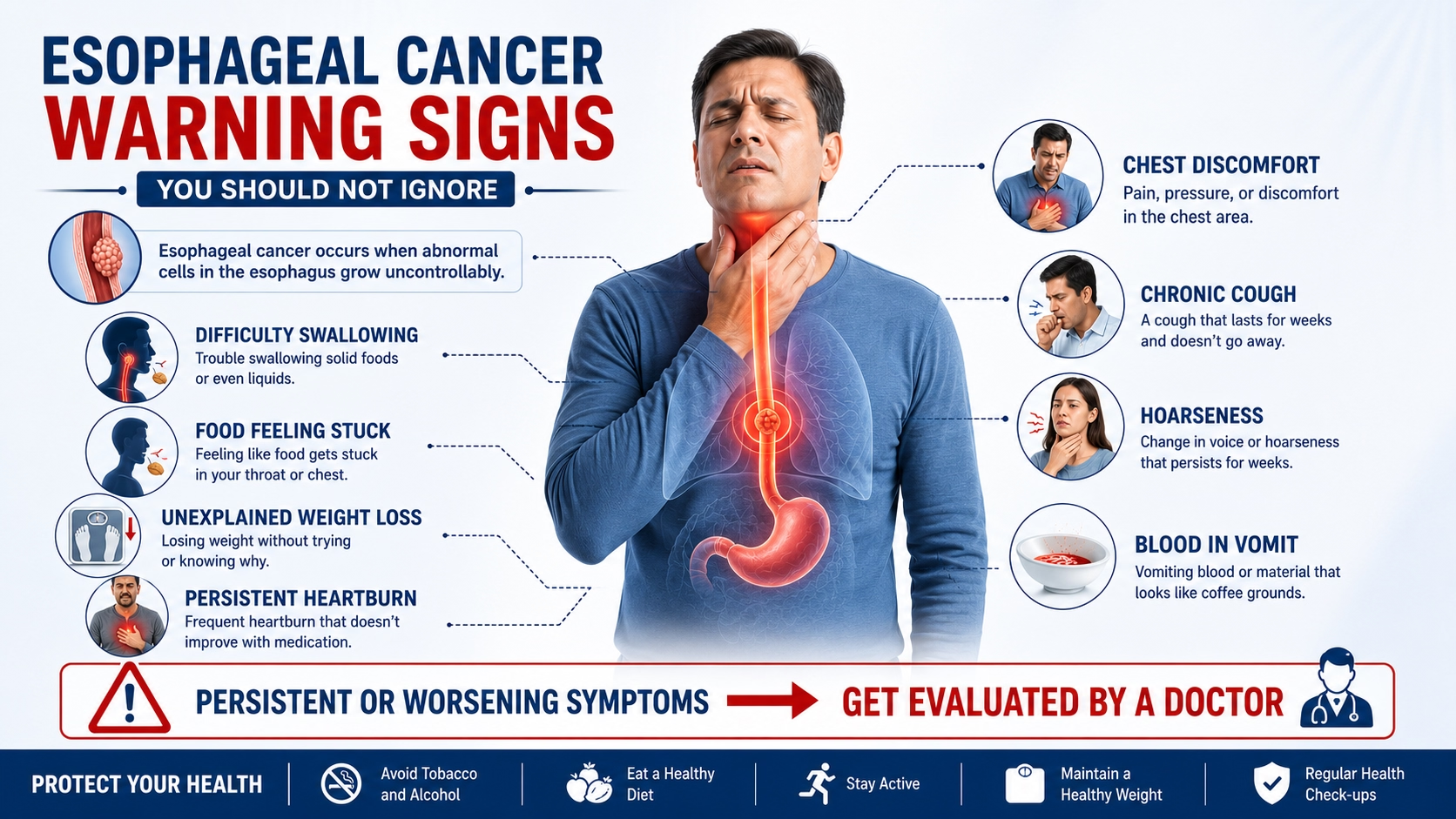
Recognizing potential esophageal cancer symptoms can help you know when to seek medical advice.
Common symptoms include:
- Difficulty swallowing or a sensation that food is getting stuck
- Painful swallowing
- Unexplained weight loss
- Chest pain or discomfort behind the breastbone
- Persistent heartburn or indigestion
- Hoarseness
- Chronic cough
- Vomiting after eating
- Persistent tiredness
- Blood in vomit
- Black or tarry stools when bleeding occurs
Esophageal Cancer Symptoms: Quick-Reference Chart
| Symptom | Why it matters | What to do |
| Difficulty swallowing | Can occur as a tumor affects the esophagus | Arrange medical evaluation |
| Unexplained weight loss | May occur when eating becomes difficult or cancer affects the body | Discuss with a doctor |
| Persistent heartburn | Usually has non-cancerous causes but persistent or changing symptoms need assessment | Seek medical advice |
| Chest discomfort | Can have several causes, including digestive conditions | Get evaluated if persistent |
| Hoarseness or chronic cough | May occur alongside esophageal disease | Seek evaluation if persistent |
| Blood in vomit | Indicates possible upper GI bleeding | Seek prompt medical care |
Having these symptoms does not mean that you have esophageal cancer. Many of them are caused by common, treatable conditions. However, symptoms that persist, worsen, or occur together should be evaluated.
Signs of Esophageal Cancer That Are Easy to Miss
Some early or less obvious symptoms may be mistaken for everyday digestive problems.
Gradually increasing difficulty swallowing
A person may initially notice that bread, meat, or other solid foods feel slightly difficult to swallow. Over time, they may unconsciously compensate by chewing more carefully or choosing softer foods.
A progressive change in swallowing should not be ignored.
Unintentional weight loss
Losing weight without deliberately changing your diet or exercise routine can have many causes. When weight loss occurs together with swallowing difficulty or persistent digestive symptoms, it deserves medical evaluation.
Persistent heartburn
Occasional heartburn is common. However, symptoms that are persistent, worsening, or accompanied by swallowing problems or weight loss should be discussed with a healthcare professional.
Persistent cough or hoarseness
A chronic cough or ongoing hoarseness can result from many conditions. If these symptoms do not resolve or occur alongside other esophageal symptoms, medical assessment may be appropriate.
Changes in eating habits
Avoiding certain foods because they are difficult or uncomfortable to swallow can happen gradually. Patients may not realize that their eating pattern has changed until the problem becomes more noticeable.
When Blood in Vomit May Point to Something More Serious
Blood in vomit becomes particularly concerning when it occurs with other warning signs.
Combination of symptoms to watch for
Blood in vomit + difficulty swallowing + unexplained weight loss
This combination warrants prompt medical evaluation because it can indicate a significant upper gastrointestinal condition, including esophageal disease.
Similarly, seek medical assessment if blood in vomit occurs alongside:
- Black or tarry stools
- Severe or persistent chest or abdominal pain
- Repeated vomiting
- Increasing difficulty swallowing
- Severe weakness
- Dizziness or fainting
- Unexplained weight loss
- Persistent heartburn or indigestion
These symptoms do not diagnose cancer, but they indicate that the underlying cause should be investigated.
How Is Esophageal Cancer Diagnosed?
If symptoms raise concern about an esophageal problem, a doctor may recommend tests based on the patient’s medical history and symptoms.
Upper gastrointestinal endoscopy
An upper GI endoscopy allows a doctor to examine the lining of the esophagus, stomach, and upper digestive tract using a flexible camera.
If an abnormal area is found, a biopsy may be performed. A biopsy allows tissue to be examined under a microscope to determine whether cancer cells are present.
Additional imaging and other investigations may be recommended to understand the extent of disease if cancer is diagnosed.
The exact diagnostic approach depends on the individual patient’s symptoms and clinical findings.
Blood in Vomit Treatment: What Happens Next?
The appropriate blood in vomit treatment depends on the underlying cause and the severity of bleeding.
The first priority is determining whether the patient is stable and whether there is significant blood loss.
Depending on the situation, treatment may involve:
- Intravenous fluids
- Medicines
- Blood transfusion when necessary
- Endoscopy to identify and control bleeding
- Treatment of ulcers or inflammation
- Treatment for esophageal varices
- Surgery or other interventions in selected severe cases
If cancer is identified, treatment depends on the cancer’s type, stage, location, overall health, and other individual factors.
Depending on the situation, esophageal cancer treatment may include surgery, chemotherapy, radiation therapy, targeted therapy, immunotherapy, or a combination of treatments.
A cancer specialist can help determine the most appropriate treatment strategy after diagnosis and staging.
When Vomiting Blood Needs Urgent Medical Care
Vomiting blood should always be taken seriously. The NHS advises people to seek medical help when they vomit blood because it can indicate bleeding in the stomach or esophagus.
Seek emergency medical care immediately if vomiting blood is accompanied by:
- Dizziness or fainting
- Confusion
- Rapid or shallow breathing
- Pale, cold, or clammy skin
- Severe weakness
- Abdominal pain
- Black stools
- Feeling generally very unwell
- A large amount of blood
These can be signs of significant blood loss or another serious medical problem.
Do not wait at home to see whether significant bleeding stops on its own.
Don’t Wait Out an Unexplained Symptom
It is understandable to assume that blood in vomit is caused by acidity, food poisoning, or forceful vomiting. Sometimes the cause may indeed be relatively straightforward.
But because vomiting blood can also indicate serious gastrointestinal bleeding, it is important to identify the cause rather than make assumptions.
If you have experienced unexplained blood in vomit—especially if it has happened more than once or is accompanied by swallowing difficulty, unexplained weight loss, persistent heartburn, chest discomfort, cough, or hoarseness—seek medical evaluation.
Early investigation does not mean that cancer is present. It means that the actual cause can be identified and treated appropriately.
Why Timely Cancer Evaluation Matters
Esophageal cancer symptoms can overlap with common digestive conditions. This can make it difficult for patients to know whether a symptom is minor or requires further investigation.
The American Cancer Society notes that many esophageal cancers do not cause symptoms until they have become more advanced, which makes persistent or worsening symptoms worth discussing with a doctor.
A specialist evaluation can help determine whether symptoms are related to reflux, ulcers, inflammation, bleeding, another gastrointestinal condition, or cancer.
The goal is not to assume the worst—it is to find the right diagnosis as early as possible.
Consult a Cancer Specialist in Lucknow
If you have persistent symptoms that raise concern about esophageal or another gastrointestinal cancer, consider consulting an experienced oncology specialist for appropriate evaluation and treatment planning.
Dr. Harshvardhan Atreya is listed by Medanta as a Director in Cancer Care in Lucknow, with expertise in precision and molecular oncology, targeted therapy, immunotherapy, and gastrointestinal cancers. His listed qualifications include DM (Medical Oncology), MD (Internal Medicine), and MBBS.
For people searching for a cancer specialist in Lucknow, Dr. Harshvardhan Atreya can provide specialist oncology consultation and help patients understand their diagnosis and potential treatment options.
Book a Consultation
If you or a loved one has unexplained blood in vomit, persistent swallowing difficulty, unexplained weight loss, or other concerning symptoms, do not delay appropriate medical evaluation.
Phone: 073174 18888
You can contact the care team to enquire about consultation and appointment availability.
Important: If you are actively vomiting a significant amount of blood, feel faint or confused, have black stools, or have other signs of severe bleeding, seek emergency medical care rather than waiting for a routine oncology appointment.
Frequently Asked Questions About Blood in Vomit and Esophageal Cancer
1. Does blood in vomit always mean cancer?
No. There are many causes of vomiting blood, including ulcers, gastritis, esophageal tears, varices, certain medicines, and other gastrointestinal conditions. Esophageal cancer is a possible but less common cause.
2. What does blood in vomit look like?
It may appear bright red, dark red, brown, or resemble coffee grounds. The appearance can vary depending on how long the blood has remained in the digestive tract.
3. What is the most common symptom of esophageal cancer?
Difficulty swallowing is one of the most important symptoms. Other possible symptoms include weight loss, chest discomfort, heartburn, hoarseness, cough, vomiting after eating, and bleeding.
4. Can acid reflux cause blood in vomit?
Severe irritation or inflammation of the esophagus can contribute to bleeding, but blood in vomit should not automatically be attributed to acid reflux. A doctor should determine the underlying cause.
5. What tests are used to diagnose esophageal cancer?
Doctors may recommend an upper gastrointestinal endoscopy and biopsy, along with imaging or other tests depending on the symptoms and clinical findings.
6. When should I seek emergency care for vomiting blood?
Seek urgent medical care if you vomit blood, particularly if you also have dizziness, fainting, confusion, rapid breathing, pale or clammy skin, abdominal pain, black stools, or severe weakness.
7. Is esophageal cancer treatable?
Yes. Treatment options depend on the type and stage of cancer and the patient’s overall health. Depending on the situation, treatment can involve surgery, chemotherapy, radiation therapy, targeted therapy, immunotherapy, or combinations of these approaches.
8. Who can I consult for suspected esophageal cancer in Lucknow?
A gastroenterologist, medical oncologist, or multidisciplinary cancer team can assess concerning symptoms and recommend appropriate diagnostic tests. Dr. Harshvardhan Atreya is a Director in Cancer Care at Medanta, Lucknow, with listed expertise that includes gastrointestinal cancers, precision oncology, targeted therapy, and immunotherapy.
Final Takeaway
Blood in vomit should never be ignored. Although it does not automatically indicate esophageal cancer, it can be caused by significant gastrointestinal bleeding and, less commonly, by an esophageal or stomach tumor.
If vomiting blood occurs alongside difficulty swallowing, unexplained weight loss, persistent heartburn, chest discomfort, chronic cough, or hoarseness, arrange medical evaluation promptly.
The right approach is simple: don’t diagnose yourself—find the cause.
For oncology consultation in Lucknow:
Dr. Harshvardhan Atreya
Phone: 073174 18888
Medical Disclaimer: This article is for general educational purposes and should not be used as a substitute for professional medical diagnosis or treatment. Vomiting blood can be a medical emergency. If you are currently vomiting blood or experiencing symptoms of significant blood loss, seek emergency medical care immediately.