








Breastfeeding is a natural process, but breast pain during breastfeeding is a common concern for many new mothers. Mild nipple tenderness can occur during the early days as the mother and baby adjust to feeding. However, persistent breast pain, a painful lump, redness, swelling, fever, or unusual nipple discharge should not be ignored.
Most breastfeeding-related breast problems are treatable, particularly when identified early. Conditions such as breast engorgement, blocked milk ducts, nipple trauma and mastitis are common causes of discomfort. Occasionally, a persistent breast lump or unusual breast change may require further investigation.
If you are experiencing ongoing breast pain or a breast lump, consulting a qualified Breast Cancer specialist in Lucknow can help determine the cause and guide appropriate treatment.
This guide explains the common causes of breast pain during breastfeeding, warning signs that require medical attention, available diagnostic options, and when to consult Dr Harshavardhan Atreya for specialist breast care.
Is Breast Pain During Breastfeeding Normal?
Some discomfort can be expected when breastfeeding begins, particularly during the first few days. Nipples may feel sensitive while the baby learns to latch and the mother becomes accustomed to feeding.
However, breastfeeding itself should not consistently cause severe or worsening pain.
Pain that continues despite correcting the baby’s latch, becomes progressively worse, or occurs along with fever, redness, swelling or a persistent lump should be assessed by a healthcare professional.
Normal vs Concerning Breast Pain
| Usually Mild/Temporary | Needs Medical Evaluation |
|---|---|
| Mild nipple tenderness initially | Severe or persistent breast pain |
| Brief discomfort when baby latches | Pain throughout or after every feed |
| Temporary breast fullness | Persistent painful lump |
| Mild engorgement | Redness, warmth and swelling |
| Symptoms improving with feeding | Fever or flu-like symptoms |
| Discomfort that gradually improves | Bloody or unusual nipple discharge |
Common Causes of Breast Pain During Breastfeeding

1. Poor Baby Latch
An incorrect latch is one of the most common reasons for nipple and breast discomfort during breastfeeding.
When the baby does not attach properly to the breast, the nipple may become compressed, causing pain and sometimes cracking or bleeding.
Common signs include:
- Sharp nipple pain during feeding
- Cracked or bleeding nipples
- Clicking sounds while the baby feeds
- Flattened or misshapen nipple after feeding
- Baby frequently coming off the breast
Improving positioning and latch can significantly reduce breastfeeding-related pain.
2. Breast Engorgement
Breast engorgement occurs when the breasts become excessively full, swollen and tender, often when milk production increases after delivery.
The breasts may feel:
- Firm or hard
- Heavy
- Warm
- Tight
- Painful
Regular breastfeeding and appropriate feeding techniques can help relieve engorgement.
3. Blocked or Narrowed Milk Ducts
A localized tender area can develop when milk flow becomes disrupted.
You may notice a painful area or lump in one part of the breast. If symptoms persist or worsen, professional assessment is advisable because inflammation can progress to mastitis.
4. Mastitis
Mastitis refers to inflammation of the breast and can sometimes involve bacterial infection.
Possible symptoms include:
- Localized breast pain
- Redness
- Warmth
- Swelling
- Fever
- Chills
- Body aches or fatigue
Mastitis can worsen quickly in some women. If symptoms are significant or do not improve, consult a doctor promptly.
5. Breast Abscess
A breast abscess is a collection of infected fluid or pus within the breast. It can occur as a complication of mastitis.
Possible symptoms include:
- A painful, persistent lump
- Increasing swelling
- Severe localized tenderness
- Fever
- Redness
- Pus or infected fluid
A breast abscess generally requires medical assessment and may require drainage in addition to other treatment.
6. Nipple Trauma and Cracks
Frequent feeding combined with poor positioning or latch can damage the nipple.
Cracked nipples can be painful and may also increase the risk of infection.
A lactation consultant or healthcare professional can help identify the cause and improve feeding technique.
7. Nipple or Breast Thrush
A fungal infection can occasionally cause burning or persistent nipple pain.
Symptoms may include:
- Burning or shooting breast pain
- Nipple sensitivity
- Itching
- Shiny or irritated nipples
If thrush is suspected, both mother and baby may need assessment and treatment.
Breast Pain During Breastfeeding: Quick Reference Chart
| Condition | Typical Symptoms | When to Seek Care |
| Poor latch | Nipple pain, cracks | If pain persists |
| Engorgement | Full, hard, tender breasts | If severe or persistent |
| Blocked duct | Localized tender area/lump | If not improving |
| Mastitis | Pain, redness, fever | Promptly |
| Breast abscess | Persistent painful lump, fever | Urgently |
| Nipple trauma | Cracks, bleeding, soreness | If significant |
| Persistent breast lump | Lump that remains after feeding | Specialist evaluation |
Warning Signs of Breast Problems During Lactation
Not every breast lump or painful area is dangerous. Nevertheless, certain symptoms should prompt medical evaluation.
A Breast Lump That Does Not Go Away
Breast changes are common during lactation, but a lump that remains after breastfeeding or milk expression should be examined.
A specialist may recommend an ultrasound or other investigations depending on the examination.
Fever With Breast Pain
Fever, chills, body aches and an increasingly painful or red breast may indicate mastitis or another infection.
Do not delay medical care if symptoms are severe or rapidly worsening.
Persistent Redness or Swelling
Increasing redness, warmth or swelling—particularly when associated with pain or fever—should be evaluated.
Bloody or Unusual Nipple Discharge
Unusual nipple discharge should be discussed with a healthcare professional, especially when it occurs spontaneously or comes from one breast.
Skin or Nipple Changes
Seek medical advice for unexplained:
- Skin dimpling
- Persistent skin thickening
- Nipple inversion or retraction
- Significant change in breast shape
- Persistent swelling
These symptoms do not automatically mean cancer, but they should be investigated.
Can Breast Pain During Breastfeeding Be Breast Cancer?
This is an important concern for many breastfeeding mothers.
Most breast pain during breastfeeding is caused by benign and treatable conditions rather than breast cancer. However, pregnancy and lactation can make breast examination more challenging because normal breast tissue changes during this period.
A persistent breast lump or suspicious breast change should therefore not automatically be attributed to breastfeeding.
Symptoms That Need Specialist Assessment
Consult a breast specialist if you notice:
- A persistent or enlarging breast lump
- Skin dimpling
- Persistent nipple retraction
- Unexplained one-sided breast swelling
- Bloody nipple discharge
- Enlarged lymph nodes
- A breast change that does not resolve
Early assessment can distinguish common lactation-related conditions from other breast diseases.
When Should You See a Breast Specialist in Lucknow?
You should consider specialist evaluation when breast pain is persistent, severe, recurrent, or associated with a lump or other unusual breast changes.
A breast specialist can evaluate conditions ranging from benign breastfeeding problems to more complex breast diseases.
Consult a Specialist If:
- Breast pain continues despite basic breastfeeding measures
- You have a persistent breast lump
- Mastitis symptoms are worsening
- You have recurrent mastitis
- You suspect a breast abscess
- You notice unusual nipple discharge
- A breast change persists after treatment
- You are worried about a possible breast cancer symptom
If you are searching for a Breast Cancer specialist in Lucknow, choosing a doctor experienced in comprehensive breast evaluation can help ensure appropriate diagnosis and treatment.
How Is Breast Pain Diagnosed During Breastfeeding?
Diagnosis starts with a detailed medical history and clinical breast examination.
Clinical Examination
The doctor may assess:
- Location and nature of pain
- Breast tenderness
- Presence of lumps
- Skin changes
- Nipple abnormalities
- Enlarged lymph nodes
- Signs of infection
Breast Ultrasound
Breast ultrasound is commonly used to investigate a breast lump during lactation and can help identify fluid collections, cysts and other abnormalities.
Additional Tests
Depending on the clinical findings, the doctor may recommend additional investigations such as aspiration, laboratory testing or tissue sampling.
The appropriate test depends on the symptoms and examination findings.
What Can You Do at Home for Mild Breastfeeding Discomfort?
For uncomplicated breastfeeding discomfort, some practical measures may help.
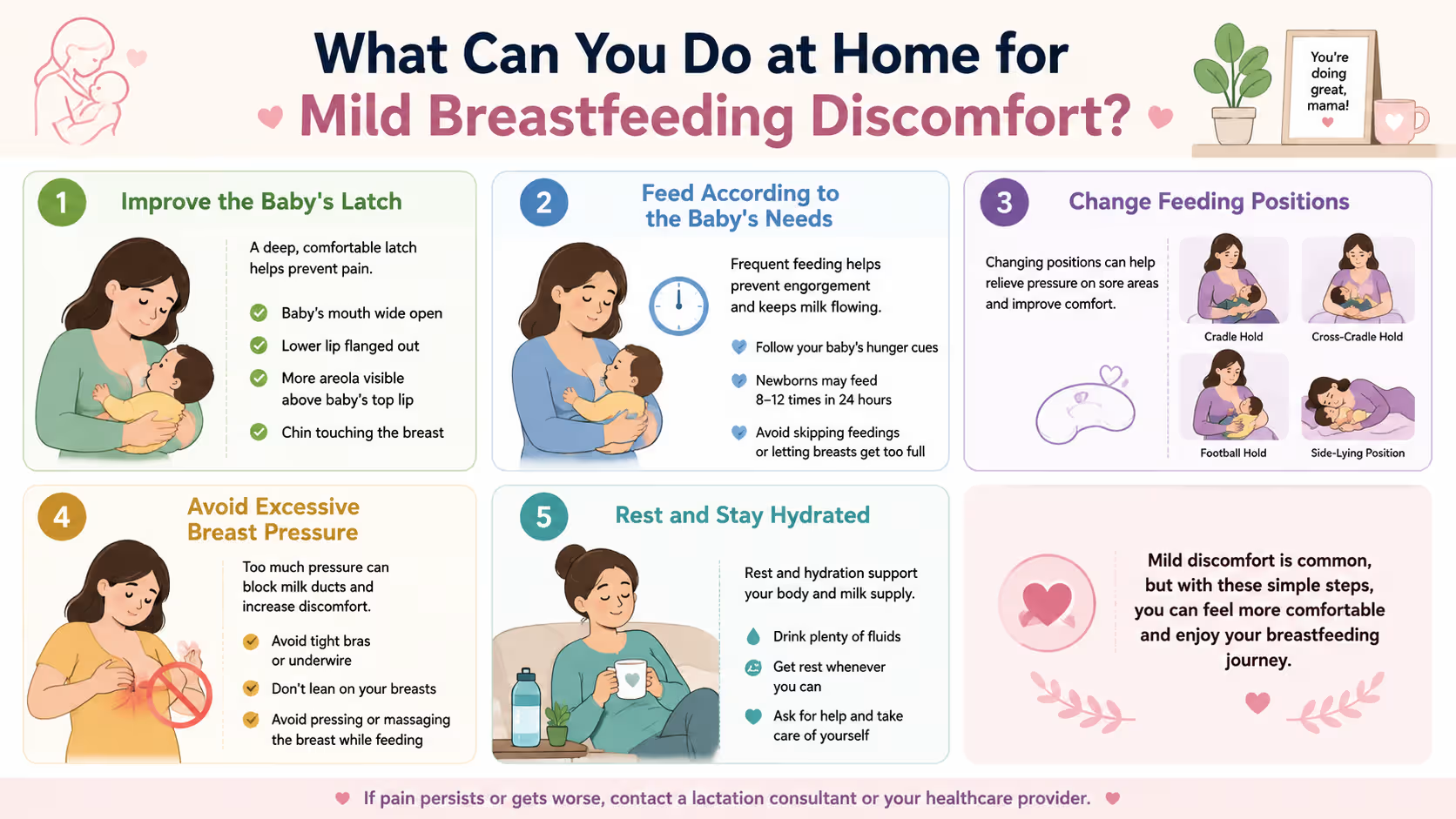
Improve the Baby’s Latch
Make sure the baby takes enough of the areola into the mouth rather than sucking primarily on the nipple.
Feed According to the Baby’s Needs
Regular breastfeeding can help prevent excessive breast fullness.
Change Feeding Positions
Different positions can help improve comfort and milk drainage.
Avoid Excessive Breast Pressure
Very tight bras or pressure on the breast may worsen discomfort.
Rest and Stay Hydrated
Adequate rest, nutrition and fluids are important during the postpartum period.
Important: Home measures should not replace medical assessment when symptoms are severe, persistent or accompanied by fever, a significant lump or other warning signs.
Why Timely Breast Evaluation Matters
Many breastfeeding-related breast problems are easier to manage when identified early.
For example, prompt treatment of mastitis may help prevent complications such as an abscess. Similarly, investigating a persistent breast lump can provide reassurance when the cause is benign and allow earlier treatment when further care is required.
The goal of specialist assessment is not to create unnecessary anxiety—it is to identify the cause of the symptom accurately and provide appropriate care.
Breast Care With Dr Harshavardhan Atreya in Lucknow
If you are experiencing persistent breast pain, a breast lump or other concerning breast symptoms, Dr Harshavardhan Atreya can provide specialist evaluation and guidance based on your individual symptoms.
Patients looking for a Breast Cancer specialist in Lucknow may require evaluation for a range of breast conditions, including breast lumps, nipple discharge, mastitis-related complications and suspicious breast changes.
For any medical condition, the appropriate diagnosis and treatment should be determined after an individual clinical assessment.
Frequently Asked Questions About Breast Pain During Breastfeeding
Q1.How long does breast pain last after starting breastfeeding?
Mild nipple tenderness may occur during the early days, but persistent or severe pain is not something you should simply tolerate. If pain does not improve, seek professional advice.
Q2.Can a blocked milk duct cause a breast lump?
Yes. A localized tender area can occur with milk-flow problems and inflammation. A lump that persists or enlarges should be assessed by a healthcare professional.
Q3.Should I stop breastfeeding if I have mastitis?
Breastfeeding decisions should be individualized, but mastitis does not automatically mean that breastfeeding must be stopped. Speak with your doctor for advice specific to your condition.
Q4.Is a breast lump during breastfeeding always cancer?
No. Many breast lumps during lactation have benign causes. However, a persistent or suspicious lump should be properly evaluated rather than assumed to be related to breastfeeding.
Q5.When should I see a Breast Cancer specialist in Lucknow?
Consider seeing a specialist if you have a persistent breast lump, unexplained breast changes, recurrent infections, unusual nipple discharge, or symptoms that do not improve with appropriate care.
Q6.Can breast ultrasound be performed while breastfeeding?
Yes. Ultrasound is commonly used to evaluate breast symptoms during lactation. Your doctor can determine whether an ultrasound or another investigation is appropriate.
Final Takeaway
Breast pain during breastfeeding is common, but persistent, severe or worsening pain deserves attention. Poor latch, engorgement, blocked milk ducts, mastitis, nipple trauma and breast abscess are among the common causes.
At the same time, a persistent breast lump or unexplained breast change should not automatically be attributed to breastfeeding. Specialist evaluation can help identify the cause and provide reassurance or timely treatment when necessary.
If you are experiencing ongoing breast pain, a breast lump or other concerning symptoms, consider consulting Dr Harshavardhan Atreya, particularly if you are looking for a Best breast cancer specialist in Lucknow.
Your breast health deserves timely attention—do not ignore a symptom simply because you are breastfeeding.
Medical Disclaimer
This article is intended for general educational purposes and should not replace an individual consultation with a qualified healthcare professional. If you have severe pain, fever, a persistent breast lump, significant redness or swelling, bloody nipple discharge, or another concerning symptom, seek medical evaluation promptly.