




When someone asks “what is cancer”, they are asking a fundamental question about a disease that affects millions worldwide. In this blog we will explore what is cancer, its major causes, the various treatment options available today, and highlight one of Lucknow’s leading specialists, Dr Harshvardhan Atreya, who provides advanced care in the city.
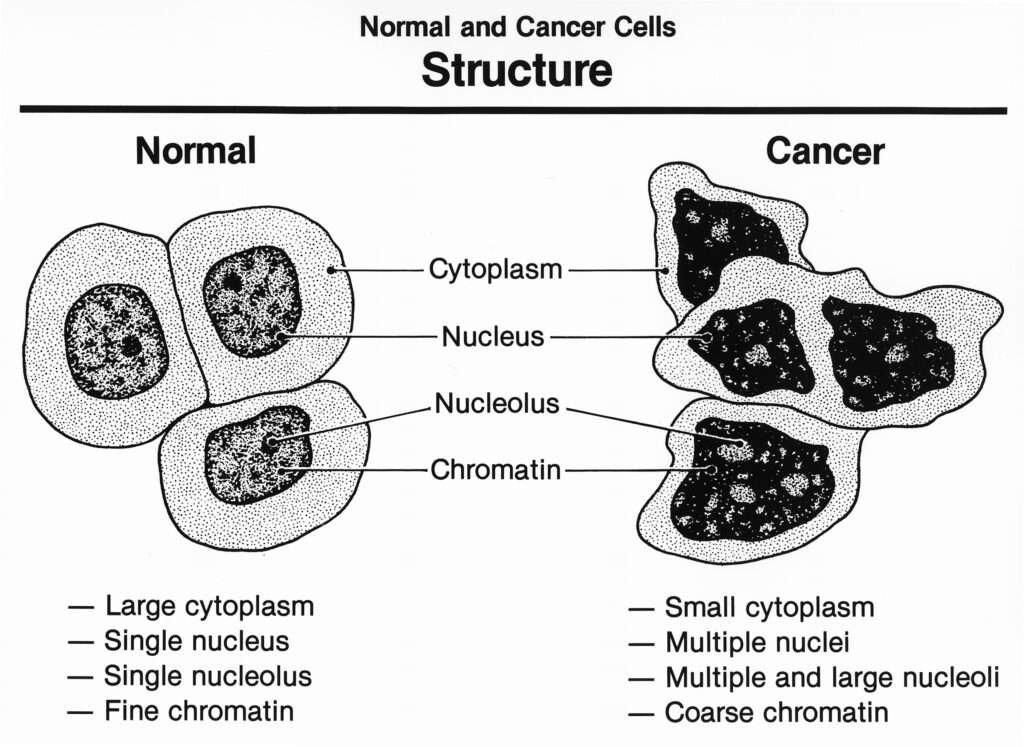
Cancer is a disease in which unwanted cells grow uncontrolled, invade surrounding tissue, and sometimes spread to other parts of the body (metastasis). These changes begin at the cellular level when normal regulatory mechanisms fail.
How does it start?
- Healthy cells divide and die in a regulated manner; cancer cells bypass these controls.
- Genetic mutations, environmental triggers or internal factors may trigger a normal cell into a cancerous one.
- As these abnormal cells multiply, they form a mass (tumour) or affect blood/lymph systems (in blood cancers).
- Over time, cells may spread through blood vessels or lymphatic channels to distant sites (metastasis).
Why the term “what is cancer” matters
Understanding what is cancer helps remove fear and misinformation. When patients know how the disease works, they’re better equipped to engage in early detection, treatment decisions and follow-up care.
Causes & Risk Factors of Cancer
There is rarely a single cause. Instead, multiple risk factors increase the chance of developing cancer. Below are major categories.
Genetic & hereditary factors
- Some people inherit gene variants (like BRCA1/2 for breast and ovarian cancer) that greatly increase risk.
- However, hereditary cancers represent a smaller fraction of total cases.
Environmental exposures
- Tobacco use remains one of the leading causes of many cancers (lung, oral, esophageal, bladder).
- Excessive alcohol, pollution, radiation (ionising/UV), occupational chemicals also play roles.
- Chronic infections (e.g., HPV, Hepatitis B/C) can trigger cancer in certain tissues.
Lifestyle & diet factors
- Diets high in processed meats, low in fibre, obesity and physical inactivity raise risk.
- Excess sun exposure without protection can lead to skin cancers.
- Poor lifestyle choices increase “what is cancer” risk from modifiable factors.
Age and immune factors
- Risk of cancer increases with age as mutations accumulate over time.
- A weakened immune system (HIV, organ transplant, chronic disease) may reduce tumour detection/elimination.
Other triggers
- Chronic inflammation or long-standing irritation (e.g., ulcerative colitis, gastric reflux) may promote cancer.
- Hormonal imbalances may play a part in cancers of breast, prostate, endometrium.
Knowing the risk factors helps answer part of “what is cancer” by showing how it comes about—and what we might do to prevent it.
How Cancer is Detected & Diagnosed
Symptoms and signs
- Early cancers may have few signs; that’s why screening matters.
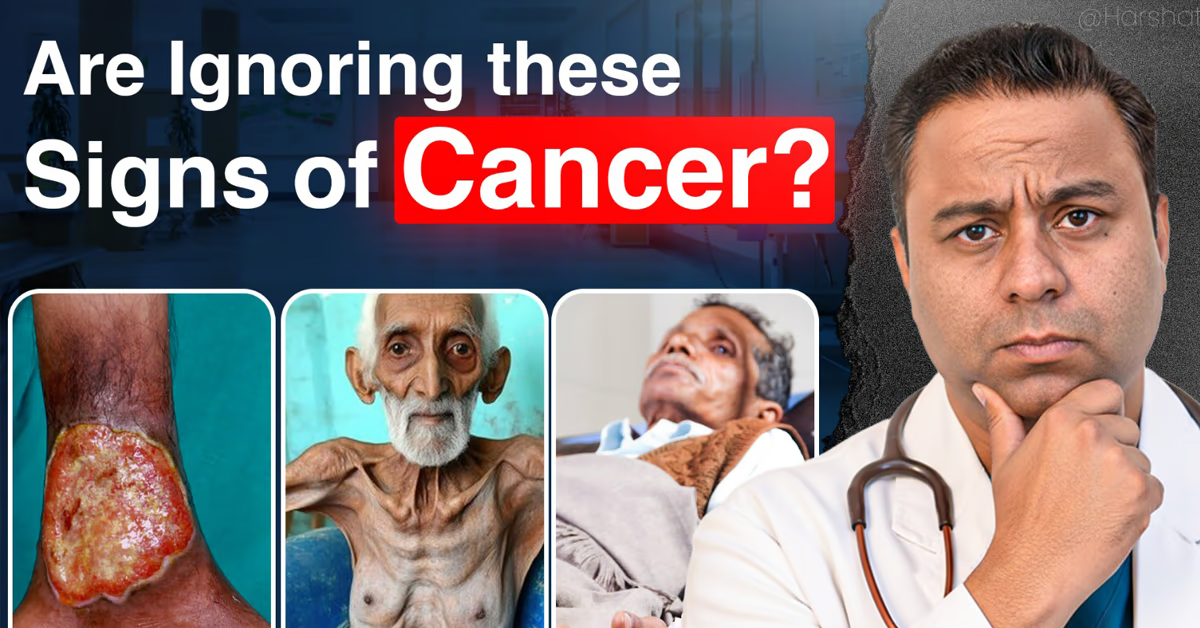
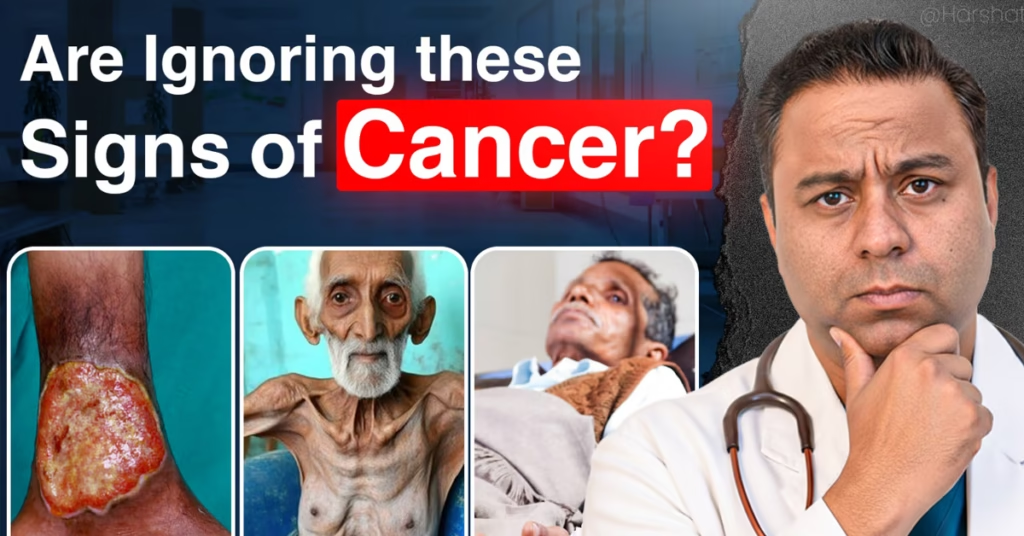
- Common warning signs include unexplained weight loss, persistent lumps, bleeding, chronic cough, change in bowel/bladder habits.
- For example, head & neck cancers may present with non-healing ulcers or patches — early detection improves outcome.
Screening tests
- Mammography (breast), Pap smear/HPV (cervical), colonoscopy (colon), low-dose CT (lung) in high risk groups.
- Regular health checks and awareness of “what is cancer” early signals are key.
Diagnostic workflow
- If suspicion arises: Imaging (X-ray, CT, MRI, PET), biopsy (histopathology), lab tests (tumour markers), molecular/genetic testing.
- Staging is done to assess how far the tumour has spread — influences treatment plan.
Role of precision/molecular testing
- Many modern cancers are characterised by gene changes, biomarker status (e.g., HER2 in breast cancer).
- Precision medicine tailors treatment based on tumour genetics, increasing effectiveness and reducing unnecessary toxicity.
Treatment Options for Cancer
In addressing “what is cancer” we must fully outline how it can be treated. Treatment is complex and customised.
Surgery
- Removal of tumour mass when feasible, often combined with other modalities.
- Surgery remains mainstay for many solid tumours if caught early.
Radiotherapy
- High-energy radiation to kill cancer cells or shrink tumours.
- Often used before (neoadjuvant), after (adjuvant) surgery, or as primary treatment when surgery is not feasible.
Chemotherapy
- Systemic therapy using drugs that kill rapidly dividing cells.
- Many side-effects, but remains foundational in many cancers.
Targeted therapy & Immunotherapy
- Targeted therapy: Drugs designed to block specific molecules in tumour growth (e.g., kinases).
- Immunotherapy: Harnesses immune system (checkpoint inhibitors, CAR-T) to fight cancer.
- These reflect the modern era of “what is cancer” treatment: moving beyond one-size-fits-all.
Hormone therapy
- Used in cancers sensitive to hormones (breast, prostate).
- Blocks hormone action or reduces hormone production.
Bone marrow / stem cell transplant
- Used in blood cancers (leukaemia, lymphoma, myeloma) to replace damaged bone marrow after intensive therapy.
Palliative & supportive care
- Even when cure isn’t possible, quality of life can be preserved via pain relief, symptom control, psychological support.
- Includes nutrition, physical rehab, mental health support.
The multidisciplinary approach
- The best outcomes come when surgeons, medical oncologists, radiation oncologists, pathologists, radiologists, nursing and support staff work together.
- This is especially important in complex or advanced cases.
Prevention & Early InterventionA big part of answering “what is cancer” is showing how to reduce risk and improve outcome.
Healthy lifestyle choices
- Avoid tobacco and limit alcohol.
- Eat a balanced diet (fruits, vegetables, less processed food).
- Maintain healthy body weight and stay physically active.
- Protect skin from UV rays; use sunblock and avoid tanning beds.
Vaccines & screening
- HPV vaccine (for cervical/head & neck cancers), Hepatitis B vaccine (for liver cancer).
- Regular screening according to age / risk group increases early detection and survival.
Environmental & occupational precautions
- Minimising exposure to known carcinogens (asbestos, industrial chemicals).
- Ensuring safe workplace conditions and reducing pollution.
Prompt check-ups for suspicious symptoms
- If you notice persistent symptoms (lump, bleeding, cough > 3 weeks, change in bowel habits), seek medical evaluation.
- Early stage cancers are more treatable.
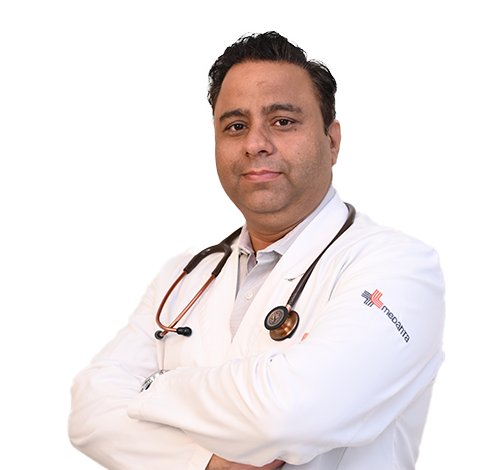
Meet the Expert: Dr Harshvardhan Atreya – Best Oncologist in Lucknow
Dr Harshvardhan Atreya is a distinguished Medical & Haemato-Oncologist based in Lucknow. He holds MBBS, MD (Internal Medicine) and DM (Medical Oncology) and is associated with Medanta Lucknow.
He specialises in precision and molecular oncology, targeted therapy, immunotherapy and bone marrow transplant.
Why he stands out
- Deep experience and training from premier institutes.
- Broad expertise: breast, lung, oral, gastrointestinal, genitourinary cancers along with sarcomas. medanta.org
- Known for compassionate patient-centred care, transparency and clear communication. Justdial
- Offers advanced treatments, tailored plans, and is part of a multidisciplinary team environment.
How to reach him
When to consult
- If you or a loved one has been diagnosed with cancer and you are exploring advanced options.
- If you seek a second opinion, especially for complex or late-stage cancers.
- If you are interested in immunotherapy, targeted treatment or bone marrow transplant.
In summary:
- What is cancer? It’s a disease of abnormal cell growth, invasion and sometimes spread.
- The causes are multifactorial: genetics, environment, lifestyle, infections, age.
- Treatments are many: surgery, radiation, chemo, targeted therapies, immunotherapy, transplant and supportive care.
- Prevention and early detection are key.
- For residents of Lucknow and nearby areas, Dr Harshvardhan Atreya stands out as a top choice for advanced, compassionate oncologic care.
If you or a loved one are navigating the journey of cancer, understanding “what is cancer” and working with the right specialist can make a meaningful difference.
FAQs
Q1. What are the most common cancers in India?
In India, cancers like breast, cervical, lung, oral (especially in tobacco users) are common. Early screening and lifestyle modifications help.
Q2. Can cancer be cured?
Yes, many cancers can be cured if detected early and treated appropriately. Even when cure is not possible, effective treatments can extend life and maintain quality of life.
Q3. How long does chemotherapy or immunotherapy last?
Treatment duration depends on cancer type, stage, individual response. Some treatments may last weeks, others months or years as maintenance.
Q4. What side-effects should one expect from cancer treatment?
Side-effects vary by treatment: fatigue, nausea, hair loss (chemo), skin changes (radiation), immune side-effects (immunotherapy). Supportive care mitigates many.
Q5. How do I choose the right oncologist in Lucknow?
Look for experience, sub-specialty relevant to your cancer type, multidisciplinary setup, transparent communication and patient reviews. Dr Harshvardhan Atreya has credentials in precision oncology and a strong reputation.
3 Comments
Your comment is awaiting moderation.
I was diagnosed with HPV which they said there is no cure for this virus. but I’m surprised that after taking Dr Ogedegbe herbs i got cured out of it. and also I have referred a lot of people to this herbal medical doctor for a cure and he has never failed. Here is Dr Ogedegbe email address dr.ogedegbe6@gmail.com or call/whatsapp him +2349121737553 …
Your comment is awaiting moderation.
[…] What is cancer: Causes, Treatments & Best Oncologist in Lucknow […]
Your comment is awaiting moderation.
Z8slot777, alright. Feeling lucky? Give it a shot, maybe you’ll hit the jackpot. No promises, though! z8slot777.
Your comment is awaiting moderation.
Logging in to 97cassinologin is smooth as butter, and once you’re in, the games are pretty solid. Good experience overall. Access it through 97cassinologin.
[…] What is cancer: Causes, Treatments & Best Oncologist in Lucknow […]
[…] What is cancer: Causes, Treatments & Best Oncologist in Lucknow […]
[…] What is cancer: Causes, Treatments & Best Oncologist in Lucknow […]