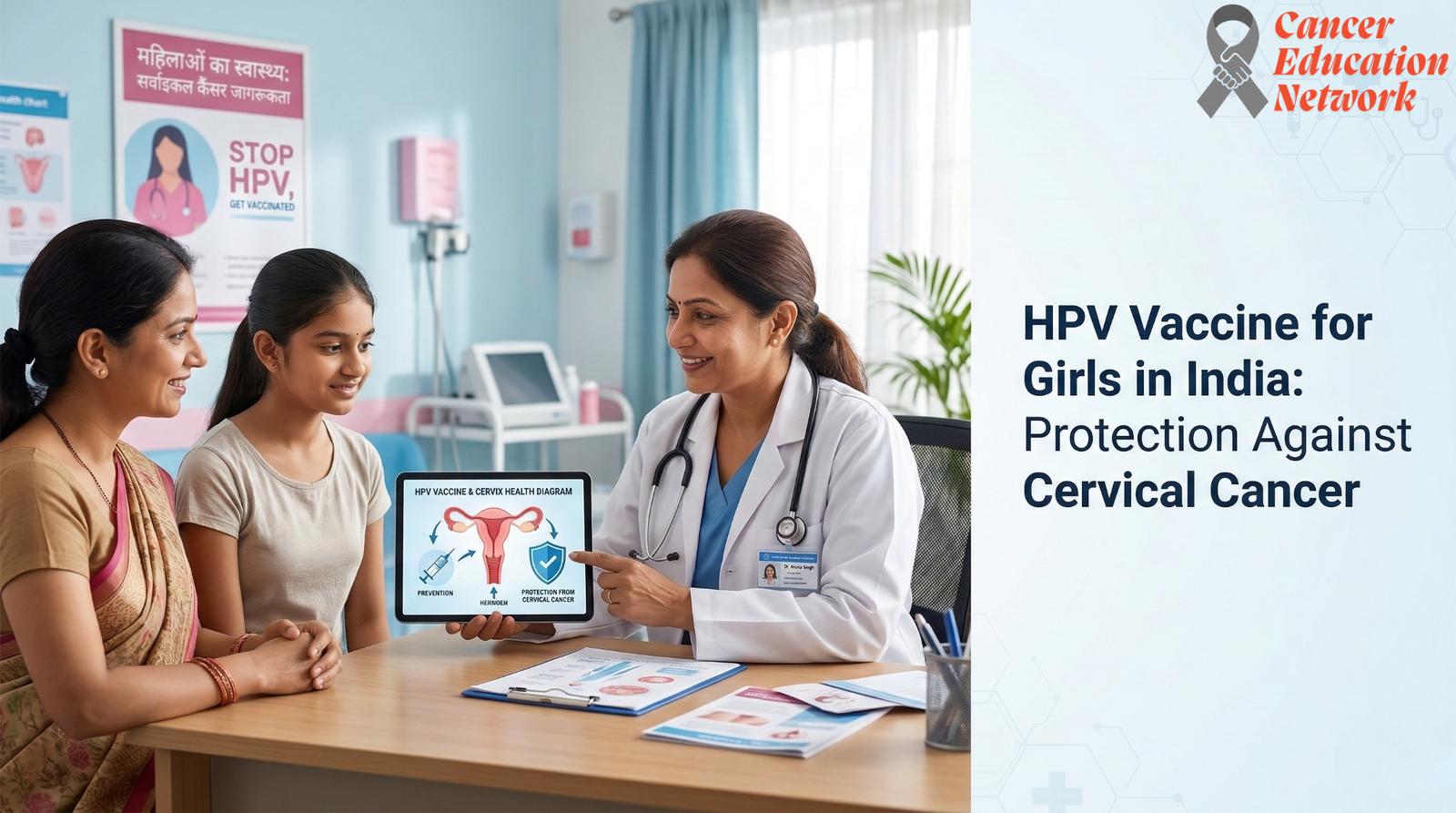





Cervical cancer is one of the most common cancers affecting women in India. However, it is also one of the few cancers that can be prevented through vaccination and regular screening.
The Human Papillomavirus (HPV) vaccine has been introduced in several countries to reduce the risk of cervical cancer. Recently, there has been increasing awareness and initiatives in India to provide the HPV vaccine for girls to protect them from this disease.
Understanding how the HPV vaccine works and who should receive it can help families make informed decisions about prevention.
What Is HPV?
Human Papillomavirus (HPV) is a common virus that spreads through skin-to-skin contact. There are more than 100 types of HPV, but certain high-risk types are known to cause cervical cancer.
HPV infections are very common, and many people may not realize they are infected because symptoms are often absent. Persistent infection with high-risk HPV types can lead to abnormal cell changes in the cervix, which may eventually develop into cervical cancer.
What Is the HPV Vaccine?
The HPV vaccine is designed to protect against the types of HPV that most commonly cause cervical cancer.
The vaccine works by stimulating the body’s immune system to produce antibodies that prevent HPV infection. By preventing infection, the vaccine significantly reduces the risk of developing cervical cancer later in life.
Why Is the HPV Vaccine Important for Girls in India?
India has one of the highest numbers of cervical cancer cases in the world. Many cases are diagnosed at advanced stages, making treatment more difficult.
Vaccination during adolescence can help protect girls before they are exposed to the virus. As a result, HPV vaccination programs are being promoted to reduce cervical cancer incidence in the future.
At What Age Should Girls Receive the HPV Vaccine?
Doctors generally recommend the HPV vaccine for girls between 9 and 14 years of age.
In this age group:
- The immune response to the vaccine is strongest
- Only two doses of the vaccine are usually required
- Protection begins before potential exposure to HPV
Older teenagers and young women may also receive the vaccine, although the dosing schedule may differ.
Does the HPV Vaccine Prevent Cervical Cancer?
Yes, the HPV vaccine significantly reduces the risk of cervical cancer.
Research shows that the vaccine protects against the HPV types responsible for the majority of cervical cancer cases. By preventing infection with these high-risk HPV strains, the vaccine helps reduce the chances of abnormal cervical cell changes that can lead to cancer.
However, regular cervical cancer screening is still recommended even after vaccination.
Is the HPV Vaccine Safe?
The HPV vaccine has been extensively studied and is considered safe by global health organizations.
Common side effects are usually mild and may include:
- Pain or redness at the injection site
- Mild fever
- Fatigue
- Headache
Serious side effects are extremely rare.
Can the HPV Vaccine Be Given for Free in India?
Some government and state health programs in India have started offering HPV vaccination for girls as part of cancer prevention initiatives. These programs aim to increase awareness and improve vaccination coverage.
Availability may vary depending on the state and local health programs.
Other Ways to Prevent Cervical Cancer
While HPV vaccination is an important preventive step, additional measures can also reduce the risk of cervical cancer.
These include:
- Regular cervical cancer screening (Pap smear tests)
- Maintaining good reproductive health
- Avoiding tobacco use
- Practicing safe sexual health habits
Early detection and prevention play a major role in reducing cervical cancer deaths.
Conclusion
Cervical cancer remains a major health concern for women in India, but it is largely preventable. The HPV vaccine provides effective protection against the high-risk virus strains that cause most cervical cancer cases.
Vaccinating girls at an early age can significantly reduce their risk of developing this disease later in life. Increased awareness, vaccination programs, and regular screening can help improve women’s health outcomes across the country.
FAQs
What is the HPV vaccine used for?
The HPV vaccine helps protect against human papillomavirus infections that can cause cervical cancer and other related diseases.
At what age should girls get the HPV vaccine?
The vaccine is usually recommended for girls between 9 and 14 years of age.
Is HPV vaccination necessary in India?
Yes, because cervical cancer is common in India, vaccination helps reduce the risk significantly.
Do vaccinated women still need screening?
Yes. Even after vaccination, regular cervical cancer screening is recommended for early detection.