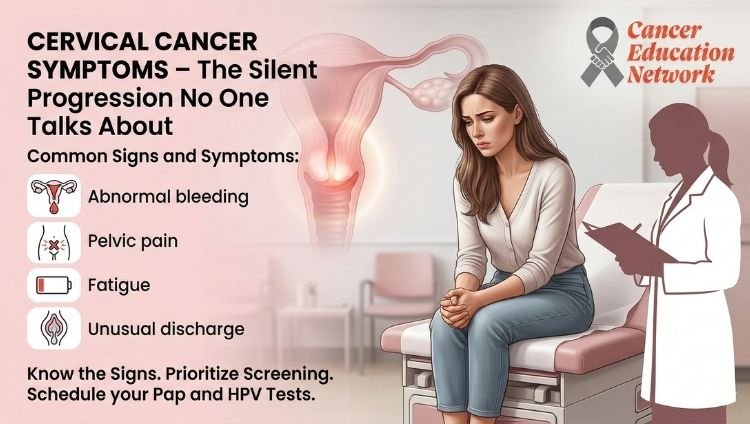
Every few minutes, a woman loses her life to cervical cancer—a disease that is largely preventable and highly treatable when detected early. The real tragedy is not its existence, but that many women are diagnosed only in advanced stages, when symptoms can no longer be ignored. In years of clinical oncology practice, one reality stands out: cervical cancer progresses quietly. Early stages often produce no noticeable symptoms, and by the time warning signs appear, the disease may have already extended beyond the cervix. This is not another routine checklist of symptoms. It is an explanation of how cervical cancer truly develops, which signals genuinely matter, and why relying solely on “waiting for symptoms” is a flawed strategy—something every patient should understand when consulting an experienced oncologist in Lucknow, especially in centers that also provide comprehensive Cervical Cancer Treatment in Lucknow and other specialized cancer care services.
Understanding Cervical Cancer: Why It's Different
Cervical cancer doesn't behave like other cancers. It has a clear, preventable cause—persistent infection with high-risk strains of human papillomavirus (HPV). It develops slowly, taking 10–20 years to progress from initial HPV infection to invasive cancer. This slow progression creates a massive window for prevention and early detection, yet approximately 14,000 women in the US are diagnosed with invasive cervical cancer annually.
The HPV Connection:
HPV is extraordinarily common—nearly 80% of sexually active people will contract HPV at some point in their lives. Most infections clear spontaneously within 1–2 years without causing any harm. The problem occurs when high-risk HPV strains (particularly types 16 and 18, which cause 70% of cervical cancers) persist for years or decades.
Persistent HPV infection doesn't directly cause cancer. Instead, it causes precancerous changes in cervical cells called cervical intraepithelial neoplasia (CIN). These changes progress through stages—CIN 1 (mild), CIN 2 (moderate), CIN 3 (severe)—before potentially becoming invasive cancer.
This progression typically takes 10–15 years, creating multiple opportunities for detection through screening.
Why this matters for symptoms:
Precancerous changes (CIN) produce zero symptoms. Early invasive cancer produces minimal or no symptoms. By the time symptoms appear, cancer has usually grown large enough to invade surrounding tissues or spread to lymph nodes.
Relying on symptoms for detection means missing the entire window when cervical cancer is most treatable.
The Progression Timeline: Why Symptoms Appear Late
CERVICAL CANCER DEVELOPMENT TIMELINE
HPV Infection → Persistent Infection → CIN 1 → CIN 2 → CIN 3 → Invasive Cancer
- 0-1 year: HPV Infection – In most cases, the immune system clears the virus naturally.
- 2-5 years: Persistent Infection – High-risk HPV strains remain active in cervical cells.
- 5-10 years: CIN 1 / CIN 2 – Abnormal cellular changes begin to develop.
- 10-20 years: CIN 3 progressing to Invasive Cancer if untreated.
Important: During the early phases, there are usually no symptoms at all. Symptoms only appear once the cancer begins invading surrounding tissues.
Phase 1: Precancerous Changes (CIN) – The Silent Decade
During this phase, abnormal cells remain confined to the cervical surface. There are no symptoms—no bleeding, no discharge, no pain, and no visible warning signs.
What Screening Detects
- Pap Smear: Identifies abnormal cervical cells before they become cancerous.
- HPV Testing: Detects high-risk HPV infections responsible for cellular changes.
- Colposcopy with Biopsy: Allows doctors to examine suspicious areas and confirm diagnosis.
The Screening Gap: Women who skip routine Pap tests often miss this entire early detection window. When symptoms finally appear, the disease may already be invasive.
Phase 2: Early Invasive Cancer (Stage IA) – Minimal Symptoms
When cancer first invades deeper cervical tissue, the invasion is microscopic and symptoms are uncommon.
Possible Early Symptoms (seen in 20–30% of patients)
- Slight abnormal vaginal bleeding
- Spotting between periods
- Bleeding after intercourse
- Postmenopausal spotting
- Watery vaginal discharge with mild odor
- Mild pelvic discomfort during intercourse
Why These Symptoms Are Missed: These signs are very common and often linked to benign issues like hormonal changes, infections, or cervical polyps.
Phase 3: Advanced Local Disease (Stages IB–IIA) – Noticeable Symptoms
When tumors grow larger or invade deeper tissue, symptoms become persistent and more obvious.
Common Symptoms
- Frequent or heavy abnormal vaginal bleeding
- Bleeding after intercourse
- Bloody discharge between periods
- Heavier or longer menstrual cycles
- Postmenopausal bleeding
- Watery or blood-tinged discharge with foul odor
- Pelvic pain or persistent discomfort
Phase 4: Locally Advanced or Metastatic Disease (Stages IIB–IV)
When cervical cancer spreads beyond the cervix to nearby organs or distant areas, symptoms become severe.
Advanced-Stage Symptoms
- Constant pelvic or lower back pain
- Leg swelling (lymphedema)
- Blood in urine or stool
- Difficulty urinating or bowel obstruction
- Urinary or fecal incontinence
- Unexplained weight loss
- Extreme fatigue and loss of appetite
- Bone pain if cancer spreads to the skeleton
The Harsh Reality: Early-stage cervical cancer has a 92% five-year survival rate. By Stage IV, survival drops to approximately 17%. This is why regular screening and early detection are critical.
The Four Warning Signs That Actually Matter
Symptom Significance and Action Guide
| Warning Sign | Cancer Risk | Benign Causes | When to Act | Why It Matters |
|---|---|---|---|---|
| Postcoital Bleeding | 5–10% have cancer/CIN | Cervicitis, ectropion, polyps | Persistent after 2–3 episodes | Indicates fragile cervical tissue |
| Intermenstrual Bleeding | 3–5% have cancer/CIN | Hormonal imbalance, fibroids, polyps | If pattern changes or worsens | New-onset requires evaluation |
| Postmenopausal Bleeding | 10–15% have gynecologic cancer | Atrophy, polyps, hyperplasia | Immediately | Always requires workup |
| Foul Vaginal Discharge | Higher if bloody | Infection, foreign body | If persistent despite treatment | Necrotic tumor characteristic |
1. Abnormal Vaginal Bleeding: The Most Common Symptom
Abnormal bleeding is present in 75–90% of women with cervical cancer at diagnosis. However, because bleeding patterns vary widely between women, it can sometimes be difficult to identify what is truly abnormal.
What Makes Bleeding Concerning
- Postcoital Bleeding: Bleeding after intercourse is the most common early symptom. Cancer can create fragile cervical tissue that bleeds easily when touched.
- Persistent Pattern: Occasional bleeding may occur due to irritation, but repeated bleeding over weeks or months requires medical evaluation.
Intermenstrual Bleeding
Bleeding between menstrual cycles may occur due to several benign conditions:
- Hormonal contraceptive breakthrough bleeding
- Cervical or endometrial polyps
- Uterine fibroids
- Ovulation spotting
- Cervical ectropion
Important: New bleeding between cycles or bleeding that gradually worsens should always be investigated.
Postmenopausal Bleeding
Any bleeding after menopause requires immediate evaluation because approximately 10–15% of cases are associated with gynecologic cancers.
2. Abnormal Vaginal Discharge: The Overlooked Symptom
Normal vaginal discharge changes with the menstrual cycle and hormonal levels. Cervical cancer may produce discharge that differs in smell, color, and persistence.
Concerning Discharge Characteristics
- Watery discharge mixed with blood
- Foul-smelling discharge
- Heavy discharge requiring frequent pad changes
- Discharge that does not improve after infection treatment
As tumors grow, parts of the tumor may lose blood supply and undergo necrosis. This dead tissue produces a characteristic foul odor and persistent discharge.
3. Pelvic Pain: A Late-Stage Indicator
Early cervical cancer rarely causes pain because the cervix has minimal pain-sensitive nerves. Pain usually indicates that the tumor has grown enough to affect surrounding structures.
- Deep pelvic ache or pressure
- Pain during intercourse
- Lower back pain radiating to the legs
- Constant pain rather than menstrual cramps
- Gradually worsening pain
This symptom usually indicates at least Stage IB disease or more advanced cancer.
4. Urinary and Bowel Symptoms: Advanced Local Invasion
When cervical cancer spreads to nearby organs such as the bladder, rectum, or ureters, urinary and bowel symptoms may appear.
Urinary Symptoms
- Blood in urine
- Frequent or urgent urination
- Painful urination
- Difficulty emptying the bladder
- Urinary incontinence
Bowel Symptoms
- Blood in stool
- Constipation
- Pain during bowel movements
- Fecal incontinence
In very advanced disease, abnormal connections called fistulas may develop between the vagina and bladder or rectum, causing urine or stool to leak through the vagina.
What Cervical Cancer Looks Like: Visual Examination
While symptoms are subjective, cervical cancer often produces visible changes during a clinical pelvic examination. However, these changes can only be seen by a healthcare professional during a speculum examination. It is not possible for patients to visually examine their own cervix.
Early-Stage Appearance
In the early stages of cervical cancer, visible abnormalities may be subtle and require careful clinical evaluation.
- Small irregular areas of abnormal tissue on the cervix
- Friable tissue that bleeds easily when touched with a swab
- White patches (leukoplakia) appearing on the cervical surface
- Red inflamed areas indicating abnormal cellular changes
Advanced-Stage Appearance
When cervical cancer progresses, the physical appearance becomes much more obvious during examination.
- Large fungating mass that may resemble a cauliflower-like growth
- Ulceration and tissue necrosis caused by tumor breakdown
- Bloody or foul-smelling discharge due to dead tumor tissue
- Cervical structure distortion where the cervix may be largely replaced by tumor tissue
What the Pap Smear Misses
Even when visible abnormalities exist, many women diagnosed with cervical cancer have not undergone screening for several years. A visual pelvic examination can detect advanced disease, but it is not sufficient for early detection.
Pap smear tests and HPV testing remain essential because they detect precancerous cellular changes and early cancer long before abnormalities become visible during a clinical examination.
Cervical Cancer Stages: How Detection Timing Affects Outcomes
Survival by Stage at Diagnosis
| Stage | 5-Year Survival Rate |
|---|---|
| Stage IA (Microscopic) | 93% 5-year survival |
| Stage IB (Confined) | 80% 5-year survival |
| Stage II (Local Spread) | 63% 5-year survival |
| Stage III (Pelvic Wall Involvement) | 35% 5-year survival |
| Stage IV (Distant Metastasis) | 17% 5-year survival |
Stage IA (Microscopic Invasion)
- Tumor depth: Less than 3mm, width under 7mm
- Detected only through colposcopy and biopsy after abnormal screening results
- Typically produces no noticeable symptoms
- Treatment: Simple hysterectomy or fertility-sparing cone biopsy
- Cure rate: Greater than 95%
Stage IB (Clinically Visible Cancer)
- Tumor remains confined to the cervix but can be seen during examination
- May cause postcoital bleeding or abnormal discharge
- Treatment: Radical hysterectomy with lymph node removal or radiation combined with chemotherapy
- Cure rate: Around 75–85%
Stage II (Local Spread)
- Cancer spreads to the upper vagina or nearby parametrial tissue
- Common symptoms include abnormal bleeding, discharge, and pelvic discomfort
- Treatment: Concurrent chemoradiation therapy
- Cure rate: Approximately 60–70%
Stage III (Pelvic Wall Involvement)
- Cancer extends to the pelvic sidewall or lower part of the vagina
- Symptoms may include pelvic pain, leg swelling, or urinary problems
- Treatment: Concurrent chemotherapy and radiation therapy
- Cure rate: About 30–40%
Stage IV (Advanced or Metastatic Disease)
- Cancer spreads to the bladder, rectum, or distant organs
- Symptoms may include severe pain, heavy bleeding, fistulas, and systemic symptoms
- Treatment: Palliative chemotherapy and radiation for symptom control
- Cure rate: Less than 20%
The Stage Shift
Screening programs aim to detect cervical cancer at the earliest possible stage. In countries with strong screening systems, about 44% of cervical cancers are diagnosed at Stage I. In regions without effective screening programs, nearly 60% of cases are diagnosed at Stage III or IV, when treatment becomes more complex and survival rates drop significantly.
Who's Actually at Risk: Beyond the Basics
Standard risk factors for cervical cancer include HPV infection, smoking, immunosuppression, and lack of screening. However, real-world risk is more complex. Social, behavioral, and healthcare access factors also play a major role in determining who is most vulnerable to developing cervical cancer.
High-Risk Groups
Women Without Regular Screening
This is the single biggest risk factor for cervical cancer.
- Women who haven't had a Pap smear in more than 5 years account for nearly 50% of cervical cancer cases.
- Women who have never been screened represent about 10% of cases, despite being a much smaller portion of the population.
- Regular screening allows doctors to detect precancerous changes long before cancer develops.
Immunocompromised Women
Women with weakened immune systems have significantly higher risk because their bodies cannot effectively clear HPV infections.
- HIV-positive women have about five times higher risk of cervical cancer.
- Organ transplant recipients taking long-term immunosuppressive medications.
- Women with autoimmune diseases treated with immune-modulating drugs.
Why risk increases: Normally the immune system clears HPV infections. When immunity is suppressed, HPV can persist for years and progress to cancer more rapidly.
Women with Early Sexual Activity and Multiple Partners
This risk factor is linked to HPV exposure, not personal behavior judgments.
- Earlier onset of sexual activity increases the lifetime likelihood of HPV infection.
- A higher number of sexual partners increases the chance of exposure to high-risk HPV strains.
Smokers
Smoking does not cause HPV infection but significantly increases the chance that HPV will progress to cancer.
- Tobacco carcinogens accumulate in cervical mucus.
- These chemicals damage cervical cell DNA.
- Smoking also weakens the body's immune response against HPV.
Women with a History of Other STIs
- Infections such as chlamydia are associated with increased cervical cancer risk.
- Chronic infections may cause persistent inflammation, which can make it easier for HPV to remain active in cervical tissue.
Socioeconomic Barriers
Cervical cancer is often strongly linked to healthcare access inequality. Women facing socioeconomic challenges are more likely to miss screening and early treatment.
- Poverty or limited financial resources
- Lack of health insurance
- Living in rural or medically underserved areas
- Language barriers or immigrant status
The reality: Cervical cancer is largely preventable through vaccination and regular screening. However, when women lack access to these services, the disease becomes far more common and more deadly.
Cervical Cancer Prevention: The Three-Pronged Approach
Prevention Strategy Flowchart
PRIMARY PREVENTION
↓
HPV Vaccination
(Ages 9-26, catch-up to 45)
↓
Prevents 90% of cervical cancers
↓
SECONDARY PREVENTION
↓
Regular Screening (Pap + HPV)
(Ages 21-65)
↓
Detects precancer before symptoms
↓
TERTIARY PREVENTION
↓
Treatment of Precancerous Lesions
(LEEP, Cone Biopsy, Cryotherapy)
↓
Prevents progression to invasive cancer
Pillar 1: HPV Vaccination
Current recommendations:
- Routine vaccination at ages 11–12 (can start as early as age 9).
- Catch-up vaccination through age 26 if not previously vaccinated.
- Shared decision-making for vaccination ages 27–45.
Vaccine effectiveness: The 9-valent HPV vaccine (Gardasil 9) prevents infection with HPV types responsible for:
- 90% of cervical cancers
- 95% of anal cancers
- 70% of vaginal and vulvar cancers
- 70% of oropharyngeal cancers
- 90% of genital warts
Why vaccination matters despite screening: Vaccination prevents HPV infections that lead to precancerous changes. Even when screening detects abnormalities early, treatment procedures can cause stress and may affect future pregnancies. Preventing infection in the first place is always better than treating disease later.
The age controversy: Initially vaccines were recommended mainly for ages 9–26 because early trials studied this group and vaccination provides maximum protection before sexual activity begins. However, HPV infection can occur at any age, and vaccination can still offer benefits even after exposure to some HPV strains.
Pillar 2: Screening Guidelines (2021 ACS/USPSTF)
Ages 21–29:
- Pap smear every 3 years
- HPV testing generally not recommended because many infections clear naturally
Ages 30–65:
- Preferred: HPV test alone every 5 years
- Acceptable: HPV + Pap co-testing every 5 years
- Acceptable: Pap smear alone every 3 years
After age 65:
- Screening may stop if previous screening history is adequate.
- Adequate screening means:
- 3 consecutive negative Pap tests OR
- 2 consecutive negative HPV tests within 10 years
- Most recent test within the past 5 years
Special populations requiring continued screening:
- History of CIN 2, CIN 3, or cervical cancer (continue screening for 25 years after treatment)
- HIV infection (annual screening)
- Immunosuppressed individuals
- In-utero DES exposure
What breaks in practice: Many women stop screening in their 50s or early 60s assuming they are no longer at risk. In reality, cervical cancer incidence peaks around ages 45–54, and nearly 20% of cases occur after age 65, often in women who stopped screening too early.
Pillar 3: Treatment of Precancerous Lesions
When screening detects CIN 2 or CIN 3 (high-grade precancerous changes), early treatment prevents progression to invasive cervical cancer.
Treatment options:
Loop Electrosurgical Excision Procedure (LEEP)
- Removes abnormal tissue using a thin electrified wire loop
- Outpatient procedure performed under local anesthesia
- Removed tissue can be examined by pathology
- ~90% cure rate for CIN 2/3
- Small increased risk of preterm birth in future pregnancies
Cone Biopsy
- Removes a cone-shaped portion of cervical tissue
- Usually performed under general anesthesia
- Provides a larger tissue sample for analysis
- Used when lesions are extensive or LEEP is insufficient
- Higher risk of preterm birth compared with LEEP
Cryotherapy
- Destroys abnormal tissue by freezing it
- Does not provide a tissue sample for pathology
- Often used in low-resource healthcare settings
- ~85% cure rate
Ablative vs Excisional procedures: Cryotherapy destroys abnormal tissue without removing it, meaning pathological examination cannot confirm whether all abnormal cells were eliminated. Excisional procedures like LEEP or cone biopsy remove tissue completely, allowing doctors to confirm that no invasive cancer is present and that margins are clear.
Treatment Implications: Why Early Detection Changes Everything
The difference between detecting precancerous lesions versus invasive cervical cancer is not just about survival statistics—it completely changes the type of treatment, recovery time, fertility outcomes, and long-term quality of life.
CIN 2/3 (Precancer) Treatment
- Outpatient LEEP or cone biopsy
- Minimal recovery time (typically 1–2 weeks)
- Fertility preserved, though pregnancy may require additional monitoring
- No chemotherapy or radiation therapy required
- Estimated cost: $1,000–3,000
- Cure rate: 90%+
When abnormal cells are removed before they become invasive cancer, treatment is straightforward and recovery is rapid.
Stage I Cervical Cancer Treatment
- Radical hysterectomy with lymph node removal (for early stage IA/IB1 disease)
- OR concurrent chemoradiation if tumor features suggest higher risk
- Typically involves a 6-week treatment course
- Permanent fertility loss
- Surgical menopause if ovaries are removed
- Possible complications such as lymphedema or sexual dysfunction
- Estimated cost: $50,000–100,000
- Cure rate: 75–85%
Stage III Cervical Cancer Treatment
- Concurrent chemoradiation for approximately 6–7 weeks
- Brachytherapy (internal radiation therapy)
- Significant short-term and long-term side effects
- Bowel dysfunction and bladder dysfunction
- Vaginal stenosis affecting sexual health
- Permanent fertility loss
- Estimated cost: $100,000–200,000
- Cure rate: 30–40%
The 10-Year Perspective
Women treated for CIN (precancer) with procedures such as LEEP usually return to normal life within a few weeks and have approximately 99% cancer-free survival at 10 years.
In contrast, women treated for stage III cervical cancer often face long-term complications affecting bowel, bladder, and sexual function, with only about 30% surviving at 10 years.
The takeaway: Early detection through screening doesn't just save lives—it prevents aggressive treatments, preserves fertility, reduces costs, and protects long-term quality of life.
When to See a Doctor: Decision Framework
| Situation | Recommended Action |
|---|---|
| Postcoital bleeding occurring with most intercourse episodes | See your healthcare provider within 1 week |
| New-onset intermenstrual bleeding worsening over weeks | Medical evaluation within 1 week |
| Any postmenopausal bleeding | Immediate medical consultation |
| Foul-smelling vaginal discharge not improving with treatment | Consult a doctor within 1 week |
| Persistent pelvic pain | Seek medical evaluation within 1 week |
| Occasional postcoital bleeding (2–3 episodes) | Schedule doctor visit within 1 month |
| Change in vaginal discharge | Consult a healthcare provider within 1 month |
| New painful intercourse (dyspareunia) | Medical evaluation recommended |
| Irregular periods different from normal cycle | Discuss with healthcare provider |
| Heavy vaginal bleeding requiring pad change every hour | Emergency medical evaluation |
| Severe pelvic pain with fever | Emergency medical care |
| Inability to urinate | Immediate emergency care |
| Blood in urine or stool with pelvic symptoms | Urgent medical evaluation |
The Screening Override
Even without symptoms, follow screening guidelines carefully. Many early cervical cancers are detected during routine screening in women who do not have any noticeable symptoms. Regular screening helps identify precancerous changes long before they develop into invasive cancer.
The Bottom Line: Symptoms Are the Failure of Prevention
If you are relying on symptoms to detect cervical cancer, prevention may already have failed. Cervical cancer is one of the few cancers that is largely preventable through vaccination and regular screening.
What You Need to Do
-
If you're ages 9–26 (or 27–45 and unvaccinated):
Get the HPV vaccine series. Three doses provide around 90% protection against cancer-causing HPV types. -
If you're ages 21–65:
Follow screening guidelines consistently. Do not skip screening simply because you feel healthy. If symptoms appear between screening appointments, seek evaluation immediately. -
If you're over 65:
Confirm that you had adequate prior screening before stopping routine tests. If screening history is incomplete, discuss continuing screening with your healthcare provider. -
If you notice concerning symptoms:
Do not assume they are harmless. Proper evaluation may include a pelvic exam, Pap smear (if due), HPV testing, and possibly a colposcopy. -
Persistent symptoms despite infection treatment:
If symptoms continue after treatment for a presumed infection, a cervical biopsy may be necessary to rule out precancer or cancer.
The Hard Truth
Most cervical cancer deaths are preventable. They typically occur in women who were not screened regularly or who did not have access to screening services. In countries where organized screening programs reach more than 70% of the population, cervical cancer has become relatively rare. In places without screening access, it remains a major cause of cancer-related death in women.
Do not let cervical cancer remain silent until it becomes advanced. Screening detects the disease at the precancer stage, when treatment is simple, highly effective, and preserves quality of life. Waiting for symptoms often means more complex treatment, worse outcomes, and long-term health consequences.
About Dr Harshvardhan Atreya
For cervical cancer screening, evaluation of abnormal results, or treatment of precancerous lesions, consult with experienced gynecologic oncology specialists who emphasize prevention and early detection.
Prevention through vaccination and screening saves lives. Regular screening, early diagnosis, and timely treatment can stop cervical cancer before it develops or spreads.
Do not wait for symptoms that may never appear until the disease has progressed. Early screening and preventive care remain the most effective way to protect long-term health.