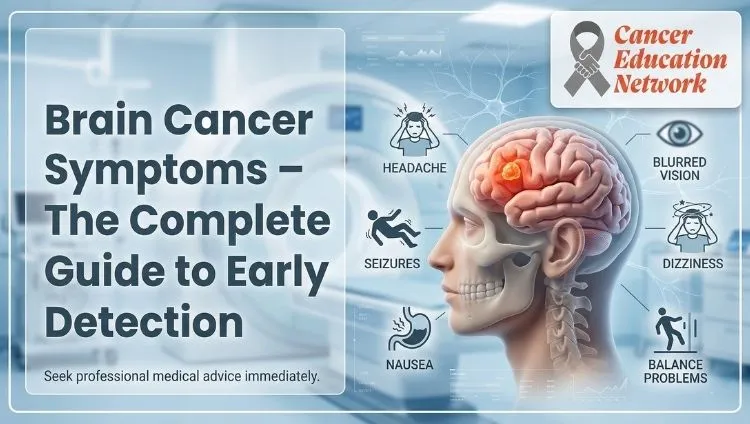
Each year, many brain cancer cases are identified at an advanced stage—not because symptoms were absent, but because they were mistaken for stress, migraines, or normal aging.
While most resources offer basic symptom checklists, real clinical practice tells a different story. This guide explains the warning patterns that truly matter, when imaging becomes essential, and why timely consultation with an experienced oncologist in Lucknow for specialized Brain and Spine Cancer Treatment in Lucknow can make a critical difference in outcomes.
Understanding Brain Cancer: Location Matters More Than Size
Brain cancer is fundamentally different from other cancers. Your brain sits in a rigid skull with zero expansion room. Even a benign tumor can be life-threatening based purely on where it grows. A 1cm brainstem tumor can be fatal while a 5cm frontal lobe meningioma might cause no symptoms for years.
Primary brain tumors originate in the brain itself. Metastatic brain tumors spread from cancers elsewhere—lung, breast, kidney. This distinction changes everything: treatment options, prognosis, symptom patterns, and survival timelines.
What most people don't know: The brain has no pain receptors. Tumors can grow for months without headaches. When headaches occur, they're from increased pressure or irritation of surrounding structures—not the tumor itself touching pain sensors.
Common Brain Tumor Types
Usually Benign:
- Meningiomas (membrane tumors)
- Pituitary adenomas (hormone tumors)
- Schwannomas (nerve sheath tumors)
Malignant (Cancerous):
- Glioblastoma (most aggressive)
- Astrocytomas (grades II-IV)
- Oligodendrogliomas
- Medulloblastomas (mainly children)
The Real Symptom Timeline: Three Critical Phases
PHASE 1: Subtle Changes (Weeks to Months)
Cognitive fog, personality shifts, fatigue
Word-finding difficulty, minor coordination issues
PHASE 2: Recognizable Symptoms (Days to Weeks)
Morning headaches, seizures, vision changes
Motor weakness, speech problems, balance issues
PHASE 3: Crisis Point (Hours to Days)
Severe headache, loss of consciousness
Sudden paralysis, seizure, vomiting
Phase 1: The Diagnostic Trap (3-9 Months Before Diagnosis)
These subtle symptoms get missed because they overlap with common conditions:
Early Warning Signs:
- Cognitive fog that comes and goes
- Personality changes family notices but patient denies
- Fatigue that sleep doesn't fix
- Dropping things, bumping into doorframes
- Word-finding difficulties in conversation
- Decreased work performance
- Mood changes—irritability, apathy, depression
Why this matters: For fast-growing tumors like glioblastoma, these 3-9 months represent your entire treatment window. By the time symptoms become obvious, optimal surgical options may be lost.
What breaks: Primary care doctors prescribe antidepressants or suggest stress management. Neuroimaging isn't considered because symptoms seem psychiatric, not neurological.
Phase 2: When Symptoms Become Undeniable
Most people seek medical attention during this phase:
Clear Neurological Symptoms:
- Morning headaches that improve when upright (increased pressure when lying flat)
- First-time seizures in adults with no epilepsy history
- Vision problems—double vision, peripheral vision loss, blurring glasses don't fix
- Persistent vomiting without gastrointestinal symptoms
- Progressive weakness in arm or leg
- Speech difficulties—slurred words, comprehension problems
- Balance and coordination problems
Phase 3: The Emergency
Symptoms that finally force ER visits:
- Worst headache of your life
- Generalized seizure with unconsciousness
- Sudden severe weakness or paralysis
- Acute confusion or altered consciousness
- Projectile vomiting
- Respiratory changes
The harsh reality: Most diagnoses happen at Phase 2 or 3. By then, tumors have grown significantly, surgical options are limited, and outcomes are worse.
Location-Specific Symptoms: Your Brain Tumor Geography Guide
BRAIN REGIONS AND THEIR SYMPTOMS
| Brain Location | Key Symptoms | Why It's Missed |
|---|---|---|
| Frontal Lobe | Personality changes, poor judgment, apathy, disinhibition | Mistaken for psychiatric illness |
| Temporal Lobe | Memory problems, déjà vu, unusual smells, language issues | Attributed to stress or aging |
| Parietal Lobe | Numbness, spatial confusion, math/reading difficulty | Confused with peripheral nerve problems |
| Occipital Lobe | Visual field loss, hallucinations | Blamed on eye problems needing glasses |
| Brainstem | Double vision, swallowing difficulty, balance problems | Most dangerous—often inoperable |
| Cerebellum | Coordination loss, tremor, severe headaches from fluid backup | Symptoms fluctuate, confusing diagnosis |
| Pituitary | Hormonal changes, vision loss, sexual dysfunction | Sent to endocrinologists for months first |
Frontal Lobe: The Personality Changer
Frontal lobe tumors are insidious. Early symptoms are behavioral, not physical:
What patients experience:
- Loss of interest in hobbies and relationships
- Inappropriate social behavior
- Poor decision-making and judgment
- Difficulty planning or organizing
- Emotional flatness or outbursts
What actually happens: Patients get psychiatric diagnoses—depression, personality disorders, bipolar disorder. They try antidepressants that don't work. Months pass before brain imaging reveals the tumor. I've seen 18-month delays from first symptoms to diagnosis.
Brainstem: The Most Dangerous Location
Brainstem tumors cause:
- Double vision, facial weakness
- Difficulty swallowing, choking
- Unsteady gait, falls
- Breathing irregularities
Critical truth: These tumors are often inoperable. Location creates fundamental treatment limitations. Even biopsy carries serious risk. Early detection doesn't guarantee better outcomes here—it's about managing expectations and maximizing quality of life.
Headaches: The Red Flags That Demand Imaging
Most headaches are NOT brain tumors. Migraines and tension headaches are exponentially more common. But certain patterns require immediate investigation:
RED FLAG HEADACHE PATTERNS
| Warning Sign | What It Means | Action Needed |
|---|---|---|
| New headache after age 50 | Brain tumors increase with age | MRI within days |
| Worse morning, improves upright | Increased intracranial pressure | Urgent imaging |
| Progressively worsening over weeks | Growing mass effect | MRI within week |
| With neurological symptoms | Structural brain problem | Emergency evaluation |
| Awakens from sleep | Pressure increases when lying down | Imaging 24-48 hours |
| Worse with coughing/straining | Elevated pressure | Neurological exam soon |
Brain Tumor Headaches Feel Different
- Dull, constant pressure (not throbbing)
- Poor response to pain medications
- Progressive pattern over weeks to months
- Often accompanied by other subtle symptoms
The pattern matters more than severity. A moderate headache that's identical every morning for three months is more concerning than occasional severe migraines you've had for years.
Seizures: The #1 Presenting Symptom
30–50% of brain tumor patients first present with seizures. Any first seizure in an adult over age 20 requires brain imaging — no exceptions.
Types of Tumor-Related Seizures
Focal Seizures (Start in One Area)
- Hand or arm twitching you can watch but can't stop
- Unusual sensations — tingling, déjà vu, strange smells
- Speech arrest — can't speak for 30–60 seconds
- Often the first sign months before diagnosis
Generalized Seizures (Whole Brain)
- Loss of consciousness
- Whole-body convulsions
- Tongue biting, loss of bladder control
- Prolonged confusion afterward
What Makes Tumor Seizures Different?
- They start focal (localized) before generalizing
- The seizure pattern often reveals tumor location
- Anti-seizure medications may not fully control them
- Frequency increases as tumor grows
The Hidden Cost
Every seizure causes brain damage. Multiple seizures before diagnosis increase the risk of permanent epilepsy — even after tumor removal. Early treatment with anti-seizure medications matters for long-term brain health.
Cognitive Changes: What Families See First
This causes the most diagnostic delays. Cognitive symptoms are subtle, progressive, and patients often lack insight into their own decline.
Real-World Warning Signs
Executive Function Problems
- Forgetting appointments, bills, important tasks
- Poor judgment—unusual financial decisions
- Difficulty planning or organizing
- Can't multitask like before
Personality Shifts
- Loss of interest in hobbies, friends, family
- Social withdrawal or apathy
- Inappropriate comments, lack of social filter
- Emotional flatness or unexpected outbursts
Memory and Processing
- Short-term memory problems
- Takes longer to respond in conversations
- Difficulty finding words
- Slower at work tasks
Why diagnosis gets delayed
These overlap with depression, stress, early dementia. Young patients (under 40) rarely get brain imaging initially. Older patients often get dismissed as "normal aging."
When to push for imaging
- Personality changes with no psychiatric history
- Cognitive decline under age 60
- Family reports changes patient denies
- Progressive worsening over weeks to months
- Any cognitive symptom plus another neurological sign
The Symptoms Doctors Rarely Discuss
1. Profound Sleep Changes
Not just fatigue—dramatic sleep disruption:
- Sleeping 12–14 hours but never feeling rested
- Sudden daytime napping in people who never napped
- Sleep–wake cycle inversion
- Sleeping through alarms for the first time
Why it happens: Tumors affecting the hypothalamus or brainstem disrupt circadian regulation. Increased brain pressure can also cause generalized drowsiness.
2. Temperature Regulation Problems
- Unexplained low-grade fevers
- Feeling abnormally hot or cold
- Night sweats without infection
- Heat intolerance
The mechanism: The hypothalamus controls body temperature. Tumors in this area can cause temperature dysregulation.
3. Hormonal Disruptions (Pituitary Tumors)
- Loss of libido
- Menstrual irregularities or cessation
- Unexplained weight changes
- Milk production when not breastfeeding
- Growth problems in children
These symptoms are often misdiagnosed as primary hormonal disorders. Many patients see gynecologists or endocrinologists for months before brain imaging is ordered.
4. Vision Changes Beyond Blurry Vision
- Papilledema (swollen optic nerve — medical emergency)
- Peripheral vision loss that may go unnoticed
- Double vision
- Visual hallucinations such as flashing lights or patterns
Critical point: Many patients see eye doctors first. A thorough ophthalmologist may detect papilledema or visual field defects and refer for urgent neuroimaging, while rushed exams may miss these signs.
The Diagnostic Process: What Actually Happens
Step 1: Clinical Evaluation
Your doctor should perform:
- Complete neurological exam (reflexes, strength, sensation, coordination)
- Cognitive screening (memory, language, executive function)
- Eye exam checking for swollen optic nerve
- Gait assessment
- Detailed symptom timeline
Red flags triggering immediate imaging:
- Any focal neurological deficit
- Papilledema on eye exam
- First seizure in adult
- Progressive headaches with warning signs
- Unexplained cognitive decline
What breaks: Primary care appointments are often only 15 minutes. A thorough neurological exam may take longer, which means subtle findings can be missed when doctors are rushed.
Step 2: Brain Imaging
MRI with contrast is the gold standard:
- Superior soft tissue detail compared to CT
- Detects tumors as small as 2–3 mm
- Better visualization of the cerebellum and brainstem
- Contrast highlights tumor characteristics
- No radiation exposure
CT limitations: CT scans may miss small tumors, especially in the posterior skull where bone can obscure views. If a CT scan appears normal but symptoms persist, an MRI is often recommended.
Imaging Urgency Guide
- Immediate (Within Hours): Altered consciousness, acute severe deficit
- Urgent (Within 24 Hours): First seizure, severe headache with warning signs
- Soon (Within Days): Progressive symptoms, concerning exam findings
- Routine (Within Weeks): Subtle symptoms, reassuring exam
Step 3: Tissue Diagnosis
Imaging may suggest a tumor, but a confirmed diagnosis requires tissue analysis.
Biopsy (Small Sample):
- Used when tumors are surgically difficult to reach
- Lower risk than full surgery
- Provides diagnostic information for treatment planning
Surgical Resection (Removing the Tumor):
- Preferred when it can be done safely
- Provides a larger tissue sample
- May reduce symptoms immediately
- Improves survival in many tumor types
Pathology testing includes:
- Cell type identification
- Tumor grade (how aggressive it is)
- Molecular markers such as IDH mutation, MGMT methylation, and 1p/19q status
These genetic profiles help predict treatment response and long-term prognosis.
The waiting period: Complete pathology results usually take 7–14 days because molecular testing is required. Although this waiting period can feel long, it is necessary for accurate treatment planning.
Why Early Detection Changes Everything
Timing Impact on Treatment Outcomes
| Diagnosis Stage | Surgical Options | Typical Outcomes |
|---|---|---|
| Early (Phase 1) | Maximal safe removal, elective surgery, better preservation | Best function post-treatment, more treatment options, improved survival |
| Mid (Phase 2) | Surgery possible but riskier, edema complicates procedure | Some permanent deficits, longer recovery, limited by patient condition |
| Late (Phase 3) | Often inoperable, emergency only | Poor outcomes, palliative focus, significantly reduced survival |
For Glioblastoma (Most Common Malignant Brain Tumor)
- Early diagnosis with optimal treatment: 3–5+ years survival possible
- Late diagnosis with emergency presentation: 6–9 months typical
- Median survival with full treatment: 15–18 months
The difference: Early diagnosis does not always cure aggressive tumors, but it provides more time, improves quality of life, and may allow access to clinical trials that offer additional treatment options.
When to See a Doctor: Your Decision Framework
Seek Medical Attention Within 24–48 Hours
- New severe headache unlike any before
- Headache awakening you from sleep
- First seizure at any age
- Sudden double vision
- Unexplained vomiting, especially in the morning
- New coordination or balance problems
- Progressive headache over days or weeks
See a Doctor Within 1–2 Weeks
- Persistent new headache pattern (more than 2 weeks)
- Gradual personality or cognitive changes
- Progressive weakness over weeks
- Subtle vision changes not corrected with glasses
- New speech difficulties
Emergency Department Immediately
- Worst headache of your life
- Seizure lasting more than 5 minutes
- Sudden severe weakness or numbness
- Loss of consciousness
- Severe confusion or altered mental status
- Vision loss
- Difficulty breathing or swallowing
Trust your instincts. If something feels seriously wrong, insist on evaluation. It is better to be reassured with normal imaging than to miss a treatable tumor.
Questions to Ask Your Doctor
If Imaging Shows a Tumor
- What type of tumor is suspected?
- Where is it located and what does it affect?
- Is surgery possible? How much can be removed?
- What are treatment options beyond surgery?
- What's the typical prognosis for this tumor type?
- Should I get a second opinion at a specialized center?
- How quickly do we need to act?
- What can I expect regarding work, driving, and daily life?
About Your Symptoms
- Could these symptoms be caused by something other than a tumor?
- What would it take for you to order brain imaging?
- If imaging is normal, what is the next step?
- Should I see a neurologist?
The second opinion principle: For brain tumors, seeking a second opinion at a comprehensive cancer center is considered standard practice. Many patients benefit from the expertise of specialized neuro-oncology teams.