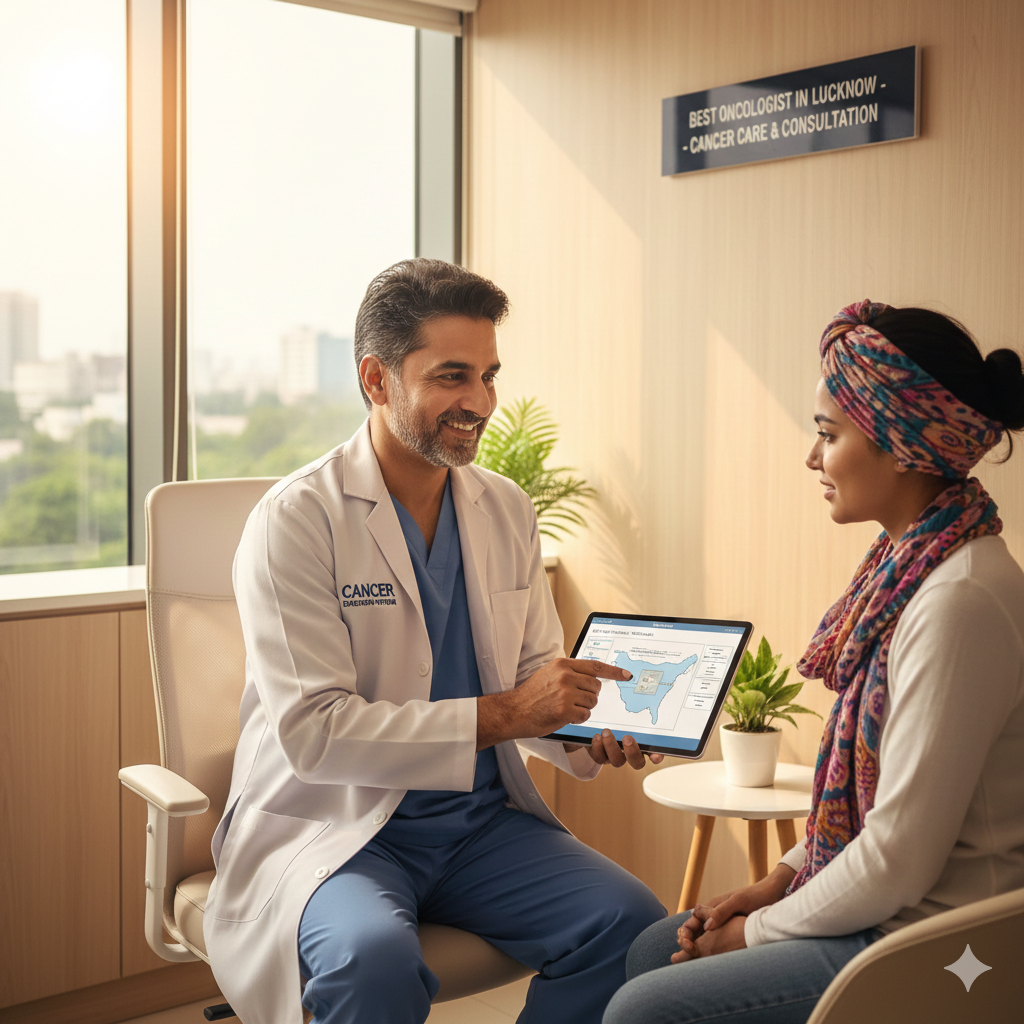


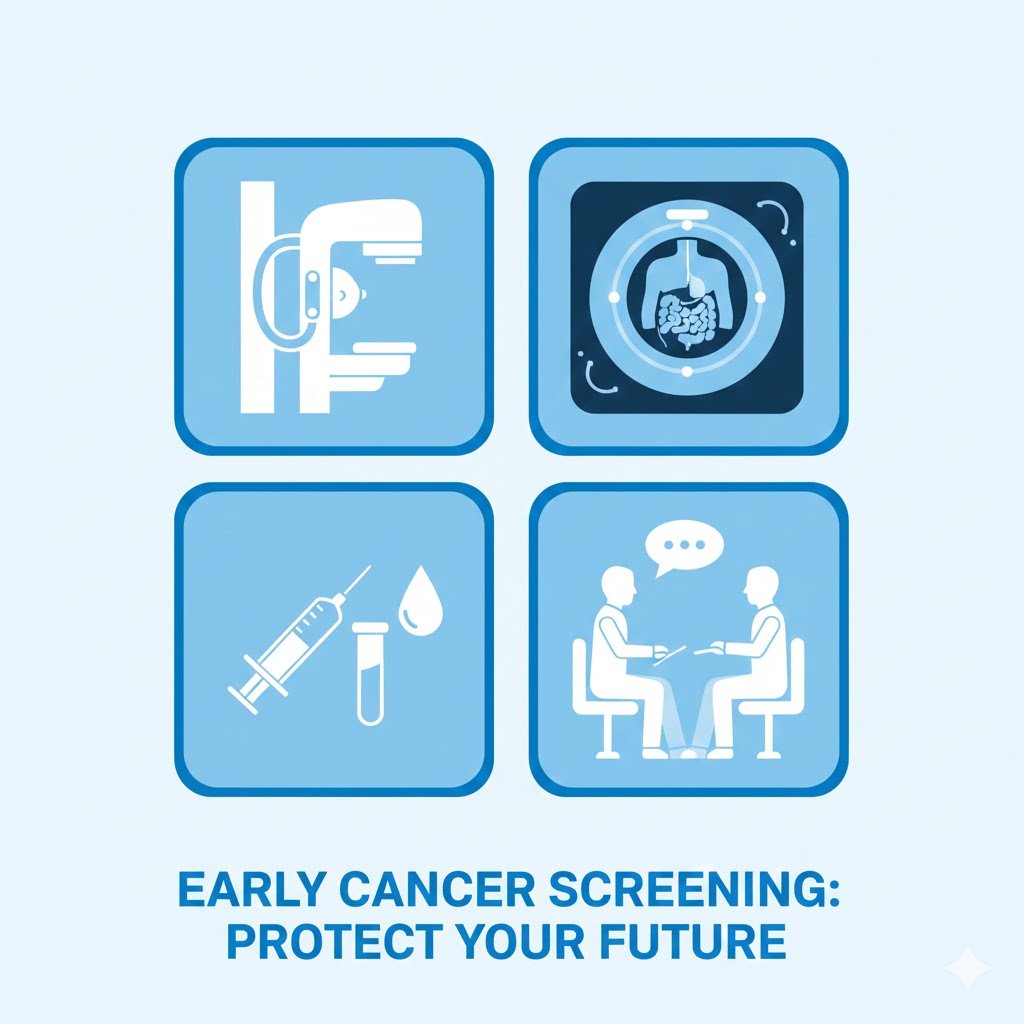
Cancer-screening-early-detection allows doctors to find cancer early, often before symptoms appear, which greatly improves treatment success. In fact, early cancer detection helps patients receive faster, simpler, and more effective care. As a result, survival rates increase, and long-term health outcomes improve.
Across the world, cancer-screening-early-detection programs have reduced deaths from breast, cervical, and colorectal cancers. Therefore, understanding how screening works is essential for protecting your health.
Why Cancer-Screening-Early-Detection Is Important
Early cancer detection saves lives. When doctors find cancer at an early stage, treatment usually works better and causes fewer side effects. In addition, patients often avoid complex procedures and long recovery times.
Screening tests healthy people who do not feel sick. Because of this, screening can detect cancer or precancerous changes before the disease develops. For example, colorectal and cervical screenings often stop cancer before it starts.
Common Cancer-Screening-Early-Detection Tests
The following cancer-screening-early-detection tests help find cancer early and improve outcomes.
Mammograms for Breast Cancer Early Detection
Mammograms use low-dose X-rays to detect breast cancer early. Doctors usually recommend mammograms for women aged 40 and older. However, women with a higher risk may need screening sooner.
Pap Smear and HPV Test for Cervical Cancer Screening
Pap smears and HPV tests detect abnormal cervical cells early. Because of regular screening, cervical cancer deaths have dropped significantly worldwide.
Colonoscopy for Colorectal Cancer Early Detection
A colonoscopy allows doctors to find and remove polyps before they turn into cancer. Therefore, adults aged 45 and older should discuss this test with a healthcare provider.
Low-Dose CT Scan for Lung Cancer Screening
Low-dose CT scans help detect lung cancer early in high-risk individuals, especially long-term smokers. As a result, treatment can begin sooner and be more effective.
Skin Exams for Skin Cancer Early Detection
Regular skin checks help identify unusual moles early. In addition, dermatologist exams are especially important for people with high sun exposure or family history.
Who Should Use Cancer-Screening-Early-Detection?
Cancer-screening-early-detection recommendations depend on age, family history, and lifestyle. Therefore, speaking with a healthcare provider helps you choose the right screening plan.
General screening guidelines include:
- Women aged 40+ should schedule mammograms
- Adults aged 45+ should consider colorectal screening
- High-risk individuals may need earlier testing
Benefits of Cancer-Screening-Early-Detection
More Treatment Options
When cancer is detected early, patients have more treatment choices with fewer side effects.
Higher Survival Rates
Early cancer detection leads to much higher survival rates compared to late-stage diagnosis.
Lower Treatment Costs
Early treatment costs less than advanced cancer care. Consequently, early detection reduces financial stress.
Barriers to Cancer-Screening-Early-Detection
Despite its benefits, some people avoid screening because of fear, limited access, or lack of awareness. However, education and improved healthcare access continue to increase screening participation.
Take Action with Cancer-Screening-Early-Detection
Cancer-screening-early-detection gives you control over your health. By scheduling regular screenings, understanding your risks, and talking with your doctor, you can detect cancer early when treatment works best.
References & Further Reading
- National Cancer Institute – Cancer Screening and Early Detection
- World Health Organization – Early Cancer Detection Programs
- Importance of Early Cancer Detection